
In modern industrial settings, downtime is costly. From manufacturing plants to CNC workshops, an unexpected machine failure can bring operations to a halt — disrupting productivity and hurting profits. Enter Predictive Maintenance (PdM), a game-changing approach that uses real-time data and smart analytics to detect equipment issues before they lead to failure.
📊 The Concept: From Reactive to Predictive
Traditional maintenance methods often fall into two categories:
- Reactive Maintenance: Fix it after it breaks (high risk, costly downtime).
- Preventive Maintenance: Schedule regular checks (better, but may lead to over-maintenance).
Predictive Maintenance sits in the middle — the perfect balance. It monitors the condition of machines using sensors, data analytics, and machine learning to predict when a component is likely to fail. This allows businesses to act just in time — not too early, not too late.
🧠 How Does Predictive Maintenance Work?
Predictive Maintenance systems typically rely on these core components:
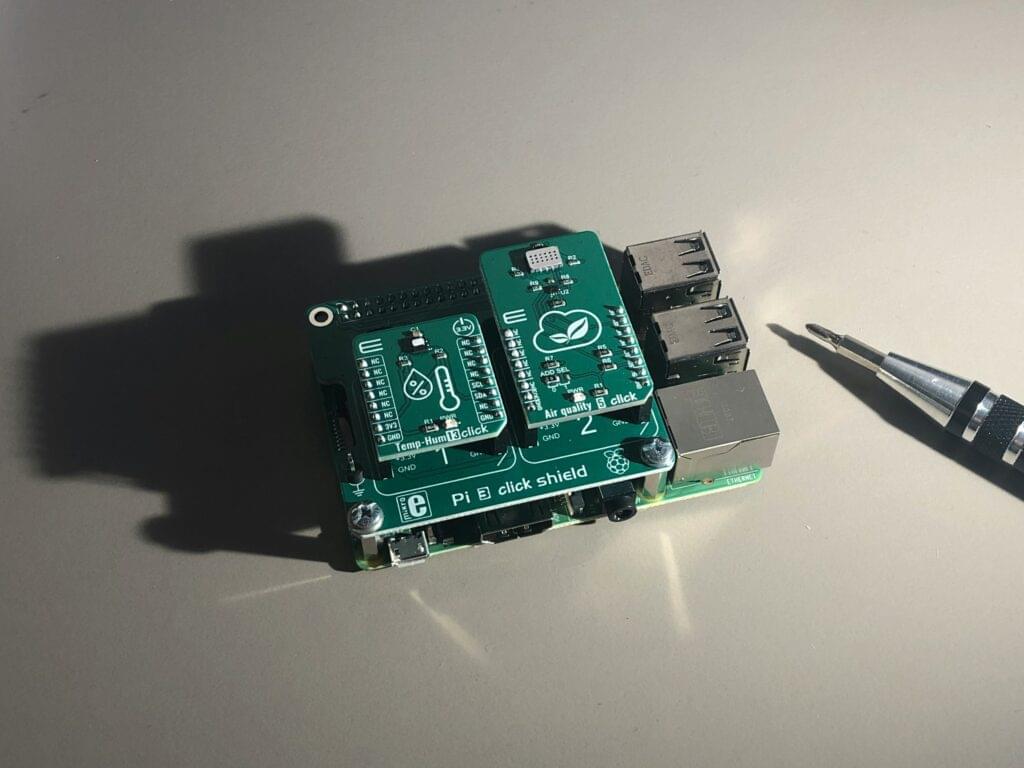
- Sensors: Collect real-time data on vibration, temperature, oil quality, pressure, etc.
- IoT Platforms: Connect machines and stream data to cloud systems.
- AI & Machine Learning: Analyze patterns, detect anomalies, and forecast failures.
- Dashboards: Give engineers and operators visual insights into machine health.
This technology helps identify subtle performance changes that human inspection alone could miss.
🏭 Where is Predictive Maintenance Used?
Predictive maintenance is already transforming several industries:
- CNC & VMC Machines: Monitoring spindle wear, bearing temperature, and tool life.
- Automotive Plants: Detecting motor vibration and conveyor belt alignment issues.
- Oil & Gas: Predicting pump and valve malfunctions.
- Textile Machinery: Tracking loom stress and motor efficiency.
- Food Processing: Ensuring cold storage units and packaging lines don’t fail.
💡 Benefits of Predictive Maintenance
✅ Reduced Downtime
Repairs happen before breakdowns, minimizing production stoppages.
✅ Cost Savings
Avoid unplanned maintenance and extend machine lifespan.
✅ Improved Safety
Early detection helps avoid accidents caused by equipment failure.
✅ Higher Productivity
Machines run at peak performance with minimal interruption.
✅ Data-Driven Decisions
Managers can optimize spare parts inventory and workforce planning.
🔧 Predictive Maintenance vs Preventive Maintenance
| Feature | Preventive Maintenance | Predictive Maintenance |
|---|---|---|
| Based on | Time or usage | Real-time condition |
| Risk of over-maintenance | High | Low |
| Cost-effectiveness | Moderate | High |
| Requires IoT and AI? | No | Yes |
| Ideal for | Stable environments | Dynamic, data-driven setups |
🚀 India’s Push Toward Predictive Maintenance
With Industry 4.0 adoption accelerating in India, PdM is gaining traction in sectors like auto components, pharmaceuticals, and precision engineering. Companies like Tata Motors, Mahindra, and Godrej are implementing smart maintenance protocols powered by IIoT platforms and AI.
Startups are also entering the space with cloud-based solutions for MSMEs to make PdM affordable and scalable.
🔍 Is Predictive Maintenance Right for Your Business?
If your factory relies heavily on machines and experiences costly breakdowns, PdM is worth exploring. It requires some upfront investment in sensors and software, but the long-term gains in uptime, cost savings, and efficiency make it a smart move.
Final Thought
Predictive Maintenance is no longer just a buzzword — it’s a necessity in the competitive world of manufacturing. As India climbs the ladder of smart manufacturing, PdM will be the backbone of sustainable and efficient industrial growth.