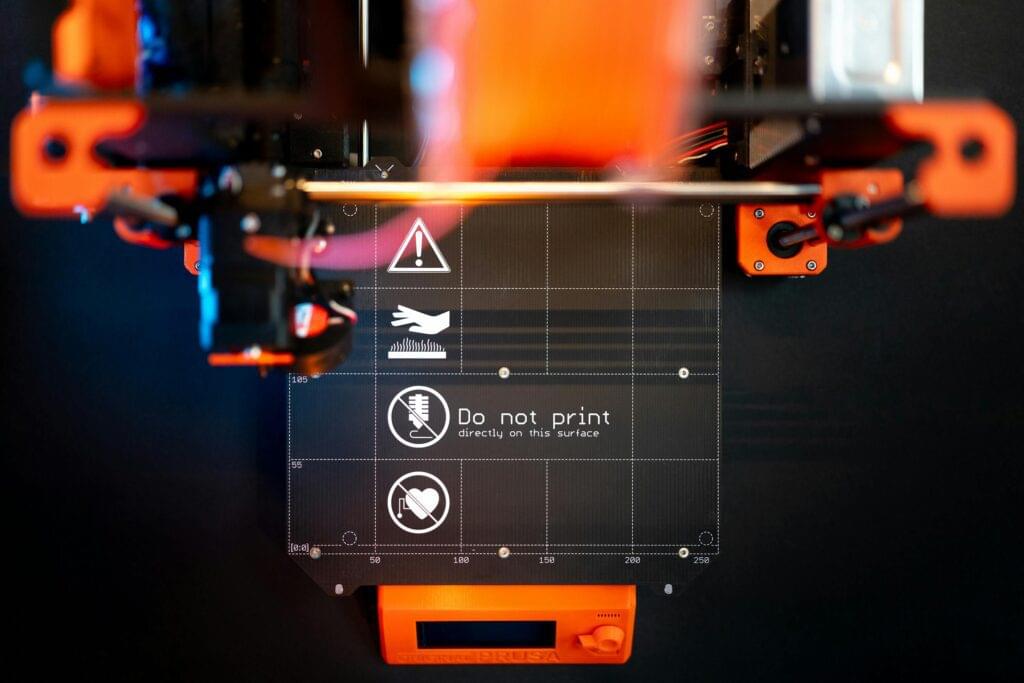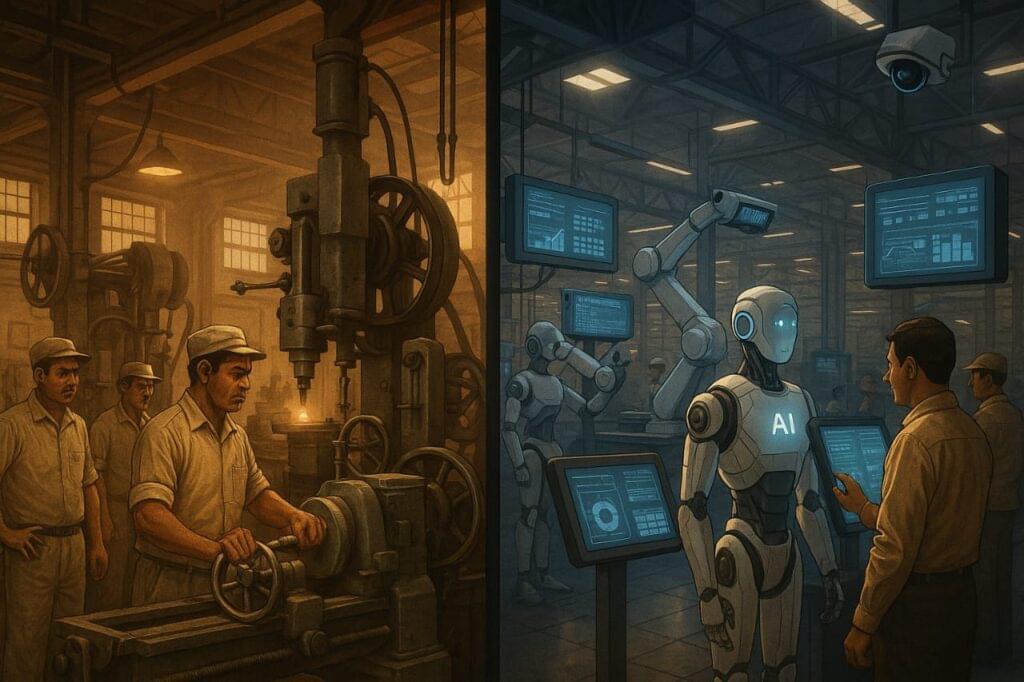
For decades, the phrase “Made in America” symbolized industrial strength, innovation, and economic dominance. But in recent years, global competition, supply chain disruptions, labor shortages, and rising production costs challenged the country’s manufacturing ecosystem.
Now, a new industrial transformation is taking shape.
Across the United States, factories are becoming smarter, faster, more connected, and increasingly autonomous. Artificial intelligence is optimizing production lines. Collaborative robots are working alongside humans. CNC machines are communicating with cloud software in real time. Predictive maintenance systems are preventing downtime before failures occur.
This is not simply automation.
This is America’s Smart Manufacturing Revolution.
What Is Smart Manufacturing?
Smart manufacturing refers to the integration of advanced digital technologies into industrial production systems. Instead of traditional factories operating in isolated processes, smart factories use connected systems, real-time data, AI-driven decision-making, and automation to improve efficiency, productivity, quality, and flexibility.
The foundation of smart manufacturing includes:
- Industrial Internet of Things (IIoT)
- Artificial Intelligence (AI)
- Robotics and Cobots
- CNC Automation
- Digital Twins
- Cloud Manufacturing
- Predictive Maintenance
- Industrial Data Analytics
- 5G Connectivity
- Additive Manufacturing
In modern factories, machines are no longer just tools. They are intelligent systems capable of collecting, analyzing, and acting on production data instantly.
Why America Is Investing Heavily in Smart Manufacturing
The U.S. manufacturing sector is undergoing one of its biggest transformations since the Industrial Revolution.
Several major factors are driving this shift:
1. Reshoring and Supply Chain Security
The pandemic exposed major weaknesses in global supply chains. Many American companies realized the risks of relying heavily on overseas manufacturing.
As a result, manufacturers are bringing production back to the United States — a trend known as reshoring.
However, manufacturing in America often comes with higher labor costs. Smart automation helps bridge this gap by increasing productivity while reducing operational inefficiencies.
Factories can now produce more with fewer delays, fewer defects, and better resource management.
2. Labor Shortages in Manufacturing
The U.S. manufacturing industry faces a growing skilled labor shortage. Many experienced machinists and factory workers are retiring, while fewer young professionals are entering industrial careers.
Smart manufacturing technologies help companies maintain productivity despite workforce challenges.
Collaborative robots, automated inspection systems, and AI-assisted production tools reduce repetitive workloads while allowing human workers to focus on higher-value tasks.
3. Global Competition
Countries like China, Germany, Japan, and South Korea have heavily invested in advanced manufacturing technologies.
To remain competitive globally, American manufacturers are accelerating investments in automation, industrial AI, and smart production infrastructure.
The race is no longer just about production volume.
It is about production intelligence.
The Technologies Powering America’s Smart Factories
Artificial Intelligence in Manufacturing
AI is becoming the brain of modern manufacturing systems.
Factories are using AI for:
- Predictive maintenance
- Quality inspection
- Production forecasting
- Tool wear monitoring
- Process optimization
- Supply chain analysis
For example, AI-powered vision systems can detect microscopic defects in components far faster than manual inspection methods.
Machine learning algorithms also help manufacturers optimize CNC machining parameters automatically to improve surface finish, reduce cycle time, and extend tool life.
Robotics and Collaborative Automation
Industrial robots have been used in manufacturing for decades, especially in automotive production.
But today’s robotic systems are smarter, safer, and more flexible.
Collaborative robots — known as cobots — are designed to work directly alongside humans without large safety barriers.
These robots are increasingly being used for:
- Machine tending
- Welding
- Material handling
- Packaging
- Inspection
- Assembly operations
American factories are adopting robotics not to replace workers entirely, but to improve productivity and handle repetitive or physically demanding tasks.
Smart CNC Machines and Connected Production
Modern CNC machines are becoming digitally connected manufacturing systems.
Advanced CNC controls now integrate with:
- MES software
- ERP systems
- Cloud analytics
- Tool monitoring systems
- Real-time dashboards
This connectivity allows manufacturers to track machine performance, spindle utilization, downtime, and production efficiency instantly.
Some advanced facilities even use AI-powered adaptive machining where machines automatically adjust cutting parameters based on real-time conditions.
This reduces scrap, improves consistency, and boosts overall productivity.
Digital Twins Are Changing Factory Planning
One of the most powerful innovations in smart manufacturing is the digital twin.
A digital twin is a virtual replica of a machine, production line, or entire factory.
Manufacturers can simulate operations digitally before making physical changes.
This helps companies:
- Reduce engineering risks
- Improve process planning
- Test automation systems
- Optimize factory layouts
- Predict operational bottlenecks
Companies in aerospace, automotive, and medical manufacturing are increasingly using digital twin technology to accelerate innovation while reducing costs.
America’s Smart Manufacturing Growth Sectors
Several industries are leading the smart manufacturing transformation in the United States.
Automotive Manufacturing
Electric vehicle production is accelerating investments in automation, robotics, battery manufacturing, and AI-driven assembly systems.
Factories producing EVs require highly precise and connected production systems to manage complex battery and electronics manufacturing.
Aerospace and Defense
The aerospace industry depends heavily on precision machining, advanced materials, and strict quality standards.
Smart manufacturing technologies help aerospace manufacturers improve traceability, reduce defects, and optimize production efficiency.
Semiconductor Manufacturing
The United States is investing billions into semiconductor production facilities as chip manufacturing becomes strategically important.
These facilities rely on highly automated, ultra-precise smart manufacturing systems.
Medical Device Manufacturing
Medical manufacturing requires extreme precision, quality control, and compliance.
AI inspection systems, automation, and advanced CNC machining are helping manufacturers produce complex medical components with greater accuracy and reliability.
The Role of Industry 4.0 in America
Industry 4.0 is the broader concept behind smart manufacturing.
It represents the fourth industrial revolution where digital technologies merge with physical production systems.
The United States is becoming a major leader in Industry 4.0 adoption thanks to strong innovation ecosystems, advanced software development, and industrial automation investments.
Major technology companies, industrial machine builders, and software providers are working together to create connected industrial ecosystems.
Challenges Facing Smart Manufacturing Adoption
Despite massive opportunities, the transformation is not without challenges.
High Initial Investment
Advanced automation systems, AI platforms, and smart factory infrastructure require significant investment.
Small and medium manufacturers often struggle with modernization costs.
Cybersecurity Risks
Connected factories create new cybersecurity challenges.
Industrial systems connected to networks can become targets for cyberattacks if not properly protected.
Workforce Training
Smart factories require digitally skilled workers.
Manufacturers now need technicians who understand automation, robotics, data analysis, and industrial software alongside traditional machining skills.
Upskilling the workforce has become a critical priority.
Why This Revolution Matters Globally
America’s smart manufacturing transformation is influencing global industrial trends.
As U.S. factories become more advanced:
- Global competition will intensify
- Automation adoption will accelerate worldwide
- Supply chains may become more regionalized
- Industrial innovation will move faster
- Demand for skilled automation professionals will rise
Countries around the world are watching how America modernizes its industrial infrastructure.
The future factory is no longer a concept.
It is already being built.
The Future of Manufacturing in America
Over the next decade, smart manufacturing is expected to redefine industrial production entirely.
Future factories may include:
- Fully autonomous production systems
- AI-driven decision-making
- Self-optimizing CNC machines
- Human-robot collaboration at scale
- Real-time digital factory monitoring
- Sustainable energy-integrated manufacturing
- Hyper-customized production
The factories leading this transformation will not necessarily be the biggest.
They will be the smartest.
Final Thoughts
America’s smart manufacturing revolution is more than a technology trend.
It is a strategic industrial shift reshaping how products are designed, produced, and delivered.
AI, robotics, connected CNC systems, and Industry 4.0 technologies are creating factories that are more efficient, adaptive, and globally competitive.
For engineers, manufacturers, automation companies, and industrial professionals, this transformation represents one of the biggest opportunities of the decade.
The next generation of industrial leadership will belong to companies that embrace intelligent manufacturing today.
And the revolution has already begun.
FAQ Section
What is smart manufacturing?
Smart manufacturing uses advanced technologies like AI, robotics, IoT, and automation to improve industrial production efficiency, quality, and flexibility.
Why is smart manufacturing growing in America?
Growth is driven by reshoring, labor shortages, supply chain security, and the need for global manufacturing competitiveness.
What industries use smart manufacturing the most?
Automotive, aerospace, semiconductor, medical device, and industrial machinery sectors are major adopters.
How does AI help manufacturing?
AI helps with predictive maintenance, quality inspection, production optimization, process automation, and data analysis.
What is Industry 4.0?
Industry 4.0 refers to the digital transformation of manufacturing using connected technologies, automation, and intelligent systems.
Make Your Brand Visible to the Global Manufacturing Industry
Are you a manufacturing company, automation brand, CNC machine builder, industrial software provider, or engineering business looking to reach a global industrial audience?
Machina Today helps industrial brands connect with engineers, factory owners, manufacturers, automation professionals, and decision-makers worldwide through high-quality digital media coverage.
Partner With Us For:
- Brand promotions
- Sponsored articles
- Product showcases
- Industrial interviews
- Event promotions
- Global manufacturing exposure
- LinkedIn & website visibility
📩 To advertise or collaborate, contact:
ruturaj@machinatoday.in
Let Your Brand Be Seen Where Industry Leaders Are Watching.

IMTS 2026 Opens in Chicago: AI, CNC, Robotics and Automation Take Center Stage
IMTS 2026 is officially underway in Chicago, bringing the global manufacturing technology industry together at…

Top Aerospace Manufacturing Technologies in 2026: 10 Technologies Reshaping How Aircraft Are Built
Aerospace manufacturing is entering a new industrial era. From AI-driven engineering and digital twins to…
FANUC at IMTS 2026: Physical AI, Robotics and CNC Innovation Move Into the Factory
FANUC America is positioning IMTS 2026 as a showcase for the next stage of industrial…
How CNC Machines Improve Export Quality: From Precision Machining to Process Control
Global manufacturing is increasingly built around supply chains where components may be designed in one…

ANCA at IMTS 2026: New Leadership, Precision Tooling and the Next Manufacturing Shift
A new CEO. A legendary founder. One booth. And a manufacturing industry moving faster than…
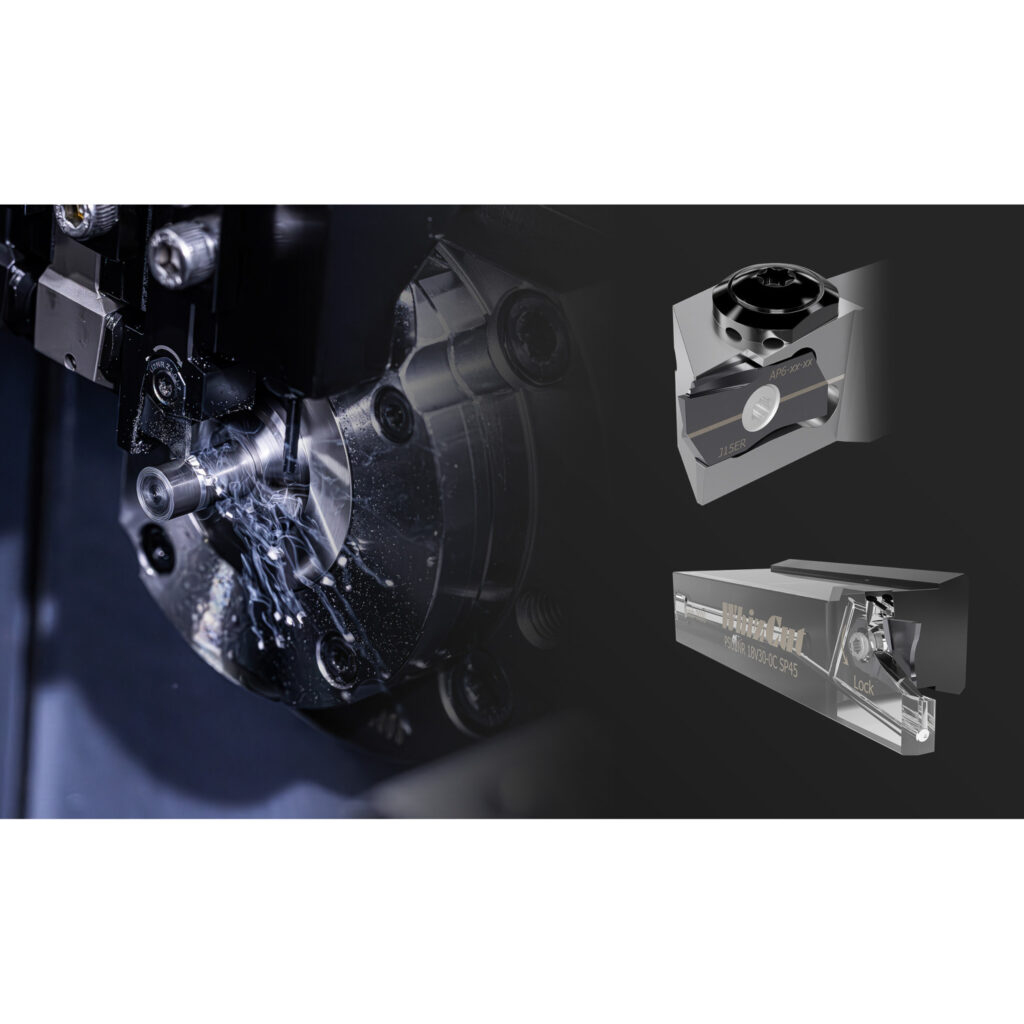
WhizCut at AMB Stuttgart 2026: Smarter Cutting Tools Target Material Waste, Productivity and Sustainable Machining
WhizCut is set to present its precision-tooling portfolio at AMB Stuttgart 2026, with products focused…