Introduction:
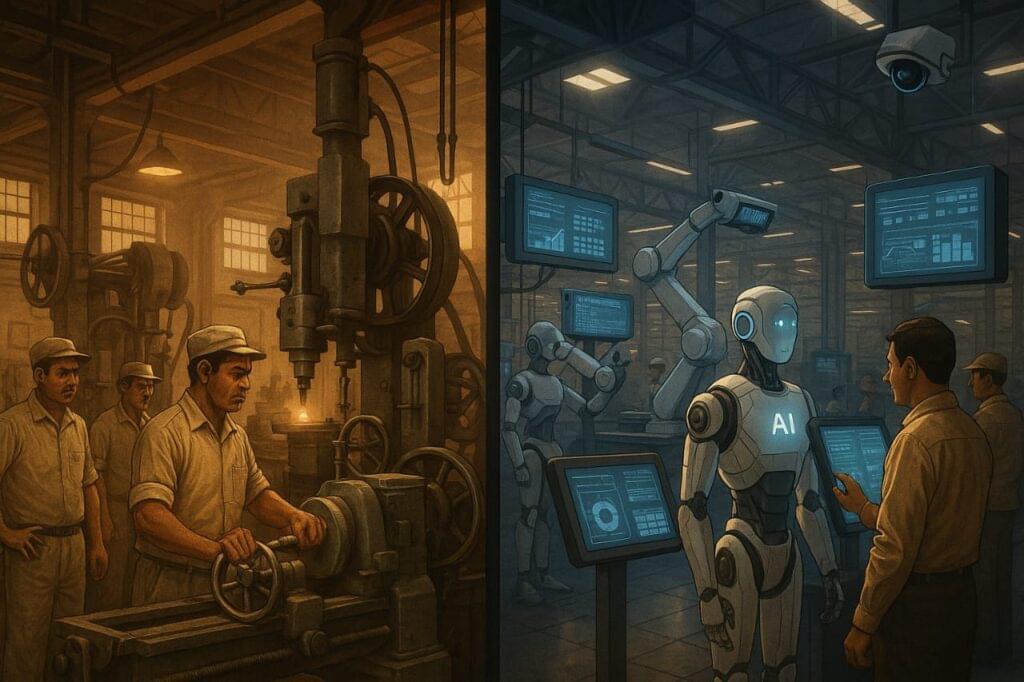
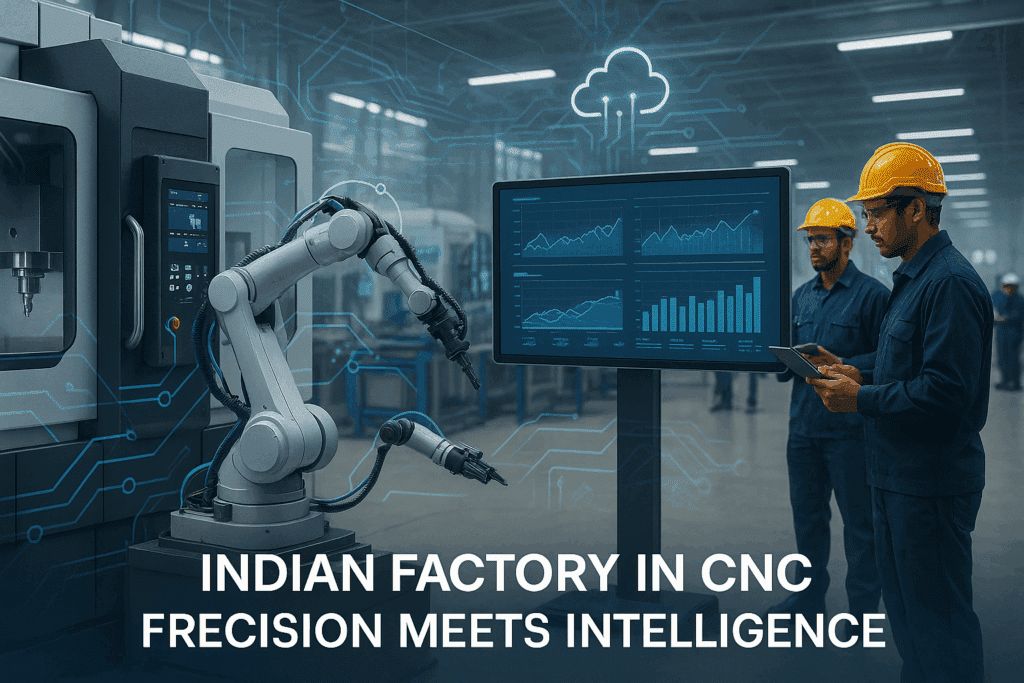
India is on the brink of a new industrial revolution. While many still rely on traditional manufacturing techniques, a quiet transformation is underway. This shift, known as Industry 4.0, is digitizing the factory floor with smart machines, real-time data, and connected systems. But what exactly is Industry 4.0, and why should Indian manufacturers care?
What is Industry 4.0?
Industry 4.0 refers to the fourth industrial revolution, where traditional manufacturing is enhanced with modern digital technology. It combines IoT (Internet of Things), AI (Artificial Intelligence), cloud computing, robotics, and smart sensors to create fully connected, intelligent systems.
Key Technologies Behind Industry 4.0:
- Industrial IoT (IIoT): Machines communicate via sensors to share data.
- Artificial Intelligence: Helps predict machine failures, optimize operations.
- Robotics: Automated machines that work faster and with precision.
- Cloud Computing: Enables real-time monitoring and remote access.
- Cyber-Physical Systems: Integration of physical machines with software systems.
Why is Industry 4.0 Important for Indian Manufacturers?
- Increased Efficiency: Machines talk to each other and optimize production lines.
- Lower Costs: Smart maintenance reduces breakdowns and waste.
- Faster Production: Automation speeds up delivery timelines.
- Data-Driven Decisions: Real-time analytics guide managers and engineers.
- Global Competitiveness: Aligns Indian manufacturing with global standards.
Challenges in Adopting Industry 4.0 in India:
- Lack of awareness and training among factory staff
- High initial investment for smart tech
- Poor internet infrastructure in remote areas
- Resistance to change
Successful Examples in India:
- Tata Steel: Using AI and data analytics to optimize steel production.
- Mahindra & Mahindra: Implemented smart robots in vehicle assembly.
- L&T: Uses IoT for asset monitoring on construction and factory sites.
How to Begin Your Industry 4.0 Journey:
- Start with basic automation and CNC upgrades.
- Add smart sensors for condition monitoring.
- Train staff in digital tools and safety.
- Use software like MES (Manufacturing Execution Systems) to integrate processes.
Conclusion:
Industry 4.0 isn’t just a buzzword; it’s the new backbone of global manufacturing. For India to become a true manufacturing powerhouse, smart factories are the way forward. The earlier we adopt these technologies, the faster we compete globally.

IMTS 2026 Opens in Chicago: AI, CNC, Robotics and Automation Take Center Stage
IMTS 2026 is officially underway in Chicago, bringing the global manufacturing technology industry together at…
Top Aerospace Manufacturing Technologies in 2026: 10 Technologies Reshaping How Aircraft Are Built
Aerospace manufacturing is entering a new industrial era. From AI-driven engineering and digital twins to…
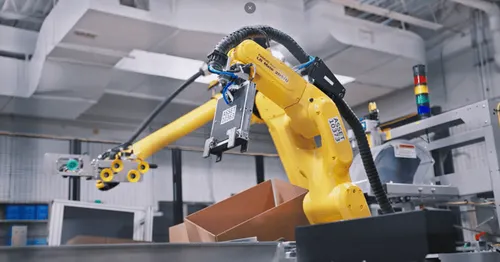
FANUC at IMTS 2026: Physical AI, Robotics and CNC Innovation Move Into the Factory
FANUC America is positioning IMTS 2026 as a showcase for the next stage of industrial…
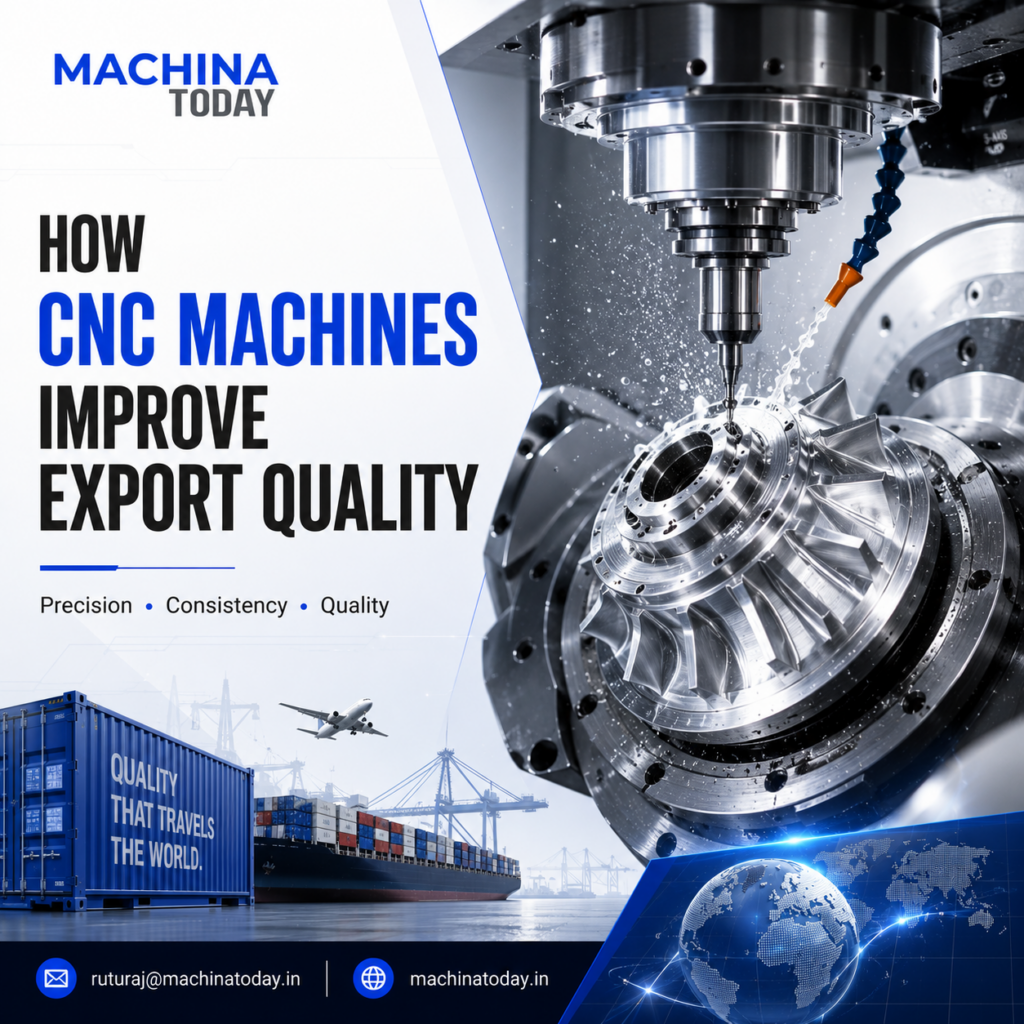
How CNC Machines Improve Export Quality: From Precision Machining to Process Control
Global manufacturing is increasingly built around supply chains where components may be designed in one…

ANCA at IMTS 2026: New Leadership, Precision Tooling and the Next Manufacturing Shift
A new CEO. A legendary founder. One booth. And a manufacturing industry moving faster than…
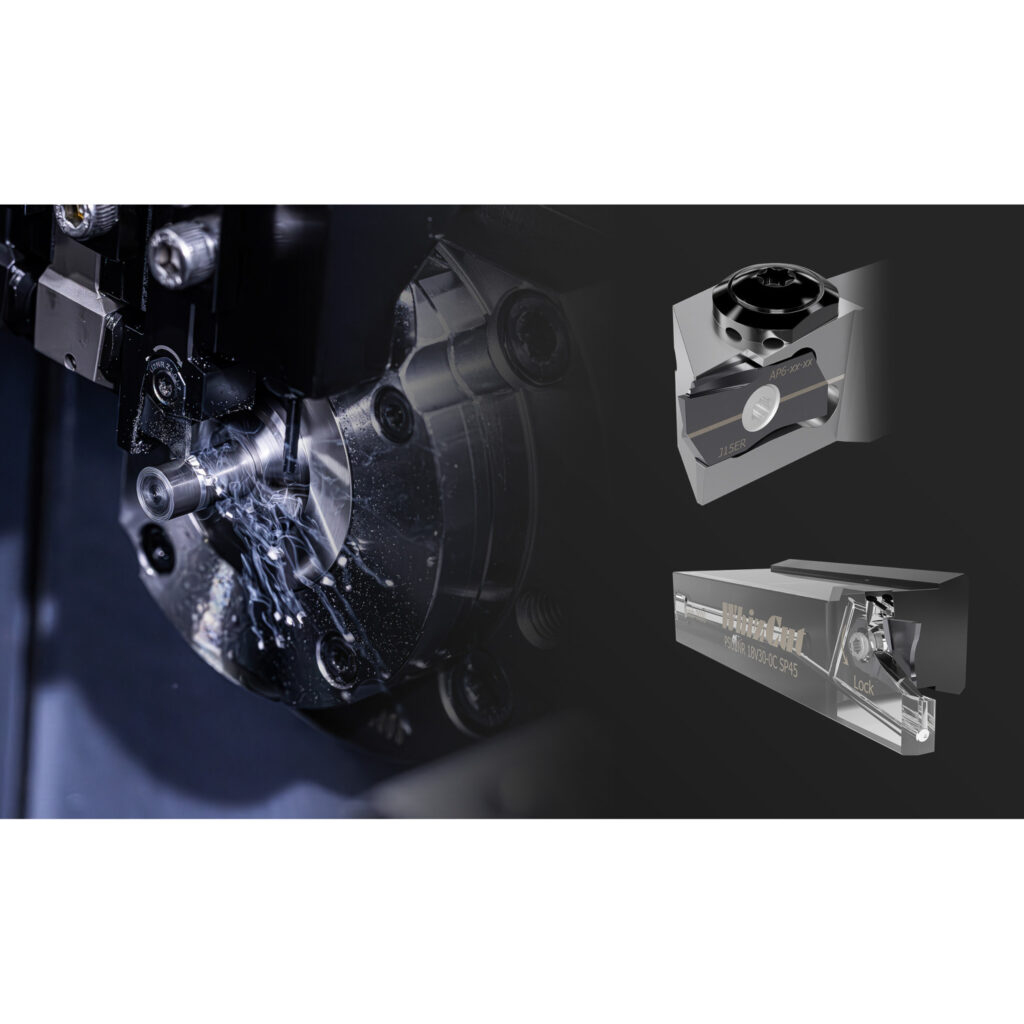
WhizCut at AMB Stuttgart 2026: Smarter Cutting Tools Target Material Waste, Productivity and Sustainable Machining
WhizCut is set to present its precision-tooling portfolio at AMB Stuttgart 2026, with products focused…