

The age of smart factories has arrived. No longer confined to textbooks or pilot projects, smart factories powered by Artificial Intelligence (AI) and the Internet of Things (IoT) are reshaping global manufacturing. Machines are becoming self-aware, supply chains are transparent, and predictive analytics is eliminating costly downtime.
For Indian manufacturers, this transition is not just an upgrade—it’s a survival strategy. With rising global competition, strict quality benchmarks, and government-backed incentives, smart factories in India could be the key to driving efficiency, sustainability, and global leadership in manufacturing.
1. What Makes a Factory “Smart”?
A smart factory is an intelligent ecosystem where machines, sensors, software, and people interact seamlessly. Unlike traditional factories that depend on manual interventions, smart factories rely on:
- IoT Sensors: Collecting real-time data from machines and equipment.
- AI Algorithms: Analyzing data to make decisions instantly.
- Cloud Platforms: Ensuring information is accessible anywhere.
- Collaborative Robots (Cobots): Assisting humans in repetitive or dangerous tasks.
- Digital Twins: Virtual replicas of machines to simulate and improve performance.
In simple words, a smart factory doesn’t just produce—it thinks, adapts, and evolves.
2. AI and IoT: The Backbone of Smart Factories
🔹 Artificial Intelligence (AI)
AI enables factories to learn from data and make proactive decisions.
- Predictive Maintenance: Detects faults before they occur.
- Demand Forecasting: Predicts customer needs to adjust production.
- Quality Control: Uses vision systems to detect defects invisible to the human eye.
🔹 Internet of Things (IoT)
IoT connects machines, systems, and supply chains.
- Machine-to-Machine Communication: Machines share data for smoother workflows.
- Energy Efficiency: Smart meters reduce energy costs.
- Remote Monitoring: Managers track plant performance from anywhere.
Together, AI + IoT create a connected ecosystem that makes manufacturing more efficient, resilient, and profitable.
3. Benefits of Smart Factories for Indian Manufacturing
- Productivity Gains – Machines optimize cycles, reducing downtime.
- Sustainability – Smart energy use lowers carbon emissions.
- Cost Savings – Predictive analytics reduce repair and wastage costs.
- Customization – Factories produce in smaller, flexible batches for customer demands.
- Workforce Empowerment – Instead of being replaced, workers are upskilled to operate AI-driven machines.
4. Indian Manufacturing and the Smart Factory Revolution
India’s $447 billion manufacturing sector is undergoing rapid digital adoption. With initiatives like “Make in India” and Production Linked Incentives (PLI), the country is actively supporting Industry 4.0 and 5.0 adoption.
- MSMEs can use plug-and-play IoT devices to cut costs without massive investment.
- Automotive & Aerospace sectors are leading in smart factory adoption, especially in hubs like Pune, Chennai, and Bengaluru.
- Export Competitiveness will rise as Indian plants meet international quality and efficiency standards.
5. Real-World Example: Smart Factory in India
A Pune-based automotive component company adopted IoT-enabled CNC machines across its plant. By connecting every CNC to a centralized AI platform:
- Downtime reduced by 15%
- Output increased by 20%
- Energy consumption dropped by 12%
This shows that even medium-sized manufacturers in India can achieve immediate ROI with smart factory adoption.
6. Global Outlook vs India’s Potential
Globally, countries like Germany, Japan, and the USA are leading smart factory deployments. India, however, has a unique advantage:
- A large skilled workforce
- A booming tech ecosystem
- Government incentives for Industry 4.0 adoption
By 2030, experts predict that India will be one of the top 3 global hubs for smart factories, especially in automotive, textiles, and heavy machinery.
Smart factories are not a luxury—they are the future of manufacturing. With AI and IoT integration, Indian factories can achieve unprecedented levels of efficiency, safety, and competitiveness. For MSMEs and large enterprises alike, this is the moment to embrace the smart factory revolution.
👉 Machina Today will continue to bring you the latest insights into *Industry 4.0, Industry 5.0, and the future of automation in India and beyond.

IMTS 2026 Opens in Chicago: AI, CNC, Robotics and Automation Take Center Stage
IMTS 2026 is officially underway in Chicago, bringing the global manufacturing technology industry together at…

Top Aerospace Manufacturing Technologies in 2026: 10 Technologies Reshaping How Aircraft Are Built
Aerospace manufacturing is entering a new industrial era. From AI-driven engineering and digital twins to…
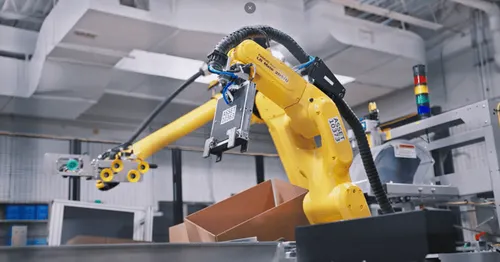
FANUC at IMTS 2026: Physical AI, Robotics and CNC Innovation Move Into the Factory
FANUC America is positioning IMTS 2026 as a showcase for the next stage of industrial…
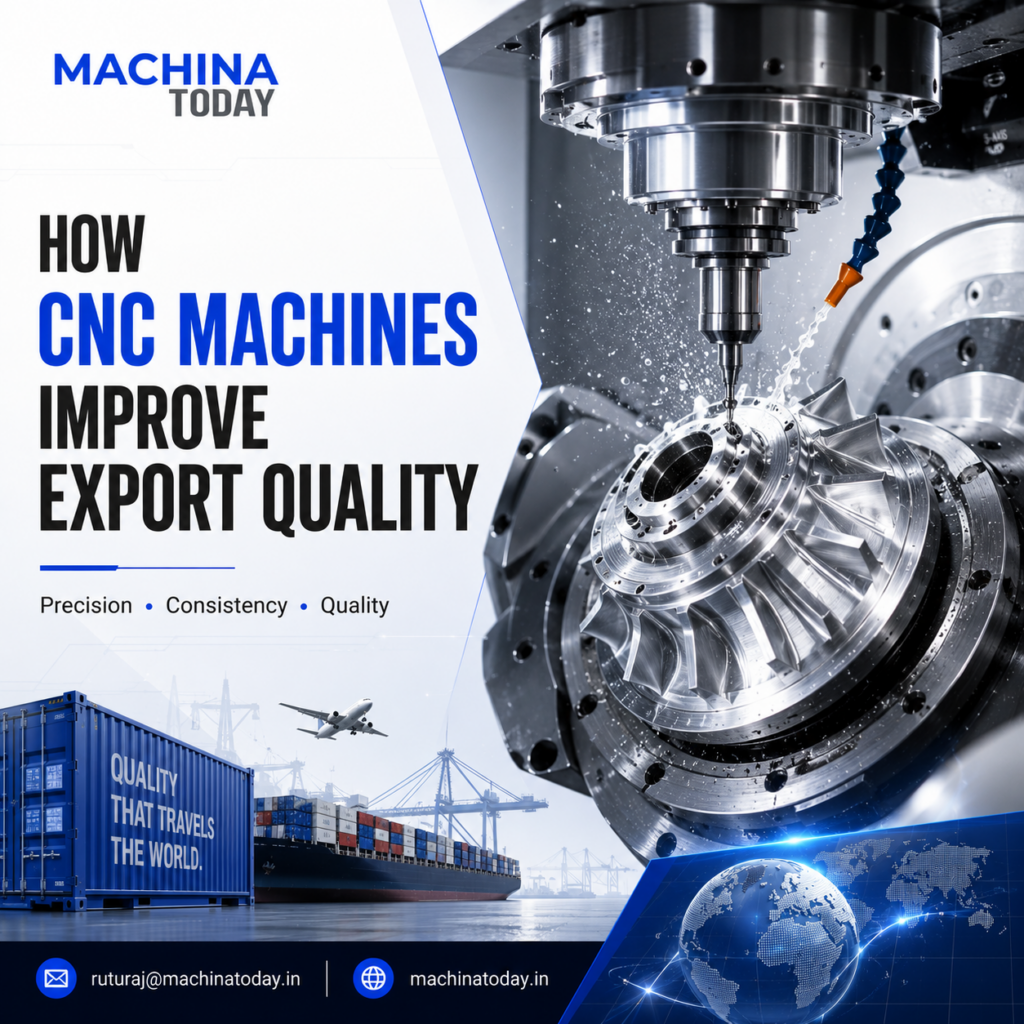
How CNC Machines Improve Export Quality: From Precision Machining to Process Control
Global manufacturing is increasingly built around supply chains where components may be designed in one…

ANCA at IMTS 2026: New Leadership, Precision Tooling and the Next Manufacturing Shift
A new CEO. A legendary founder. One booth. And a manufacturing industry moving faster than…
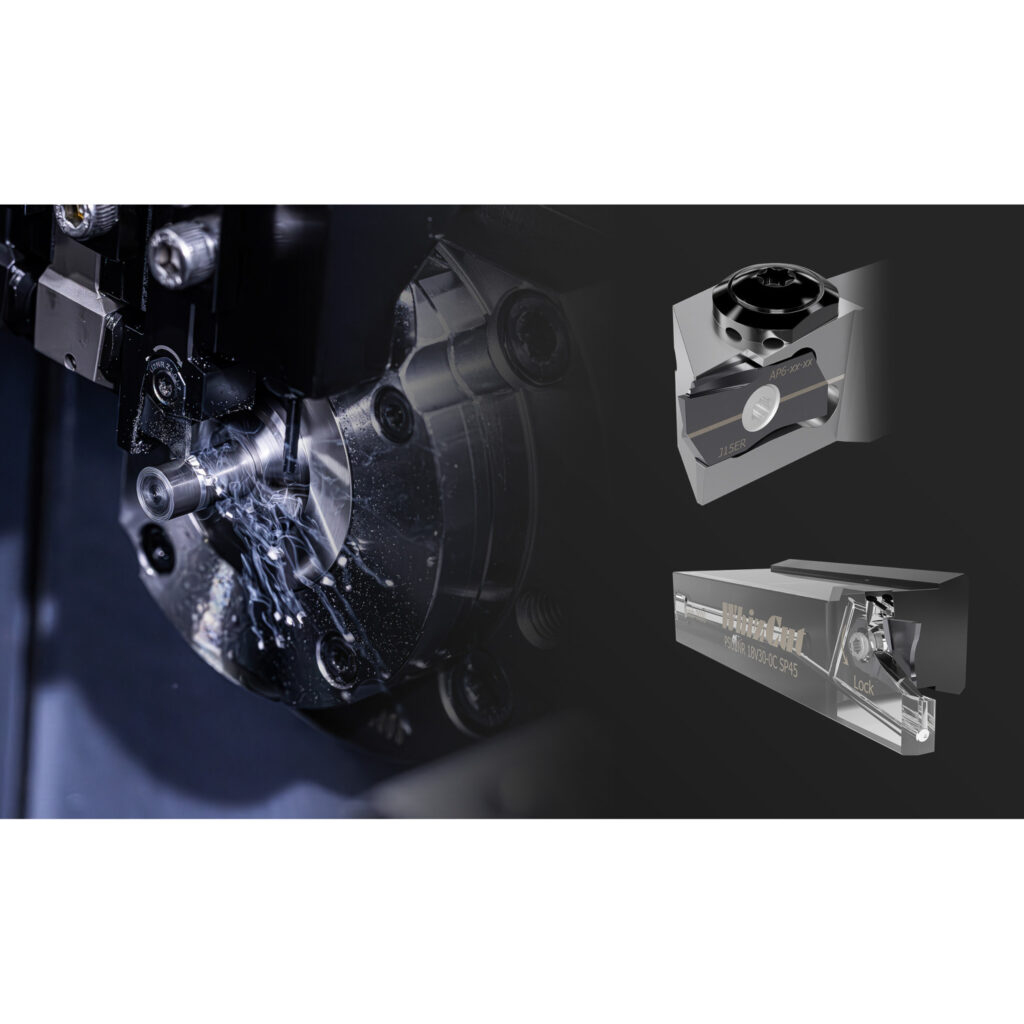
WhizCut at AMB Stuttgart 2026: Smarter Cutting Tools Target Material Waste, Productivity and Sustainable Machining
WhizCut is set to present its precision-tooling portfolio at AMB Stuttgart 2026, with products focused…
https://je-tal-marketing-890.lon1.digitaloceanspaces.com/research/je-marketing-(48).html
You can match elegant strapless robes with gadgets similar to a jacket or scarf.
https://marketing-research10.sfo3.digitaloceanspaces.com/research/research-for-asia-study-(4915).html
You’ve likely been by the bride’s aspect serving to, planning, and lending invaluable recommendation along
the best way.
https://je-tal-marketing-888.lon1.digitaloceanspaces.com/research/je-marketing-(491).html
This gown is available in sizes 2 – 22 to suit a
big selection of physique types.