Manufacturing is entering a completely new era.
For decades, factories relied on machines, operators, and traditional automation systems working in separate layers. Today, those layers are merging into intelligent ecosystems powered by artificial intelligence, robotics, real-time analytics, and autonomous decision-making.
In 2026, the world is no longer talking about “smart factories” as futuristic concepts. The conversation has shifted toward AI-native factories — production environments designed from the ground up around AI-driven operations, data intelligence, and machine autonomy.
This transformation is redefining global manufacturing competitiveness, supply chains, workforce structures, and industrial innovation itself.
According to recent manufacturing technology reports, industries are rapidly moving beyond AI pilot projects into enterprise-wide industrial AI deployment.
For manufacturers, the question is no longer:
“Should we adopt AI?”
The real question is:
“How fast can we scale AI across the entire factory ecosystem?”
What Is an AI-Native Factory?
An AI-native factory is a manufacturing environment where artificial intelligence is integrated into every operational layer — from production scheduling and predictive maintenance to quality inspection, energy optimization, logistics, and workforce assistance.
Unlike traditional automation, AI-native systems continuously learn, adapt, predict, and optimize in real time.
These factories combine:
- Industrial IoT (IIoT)
- AI and machine learning
- Robotics and cobots
- Digital twins
- Cloud-edge computing
- Vision AI systems
- Autonomous logistics
- Real-time analytics
- Generative AI
- Agentic AI systems
The result is a factory capable of self-monitoring, self-adjusting, and increasingly autonomous operations.
Industry analysts describe 2026 as the “inflection point” where AI shifts from assisting factories to actively executing processes and coordinating decisions across operations.
Why AI-Native Manufacturing Is Growing So Fast
Several global pressures are accelerating this transition.
1. Labor Shortages
Manufacturers worldwide face shortages of skilled workers, engineers, CNC programmers, and maintenance professionals.
AI-powered systems help reduce dependency on repetitive manual tasks while supporting operators with intelligent assistance and automated workflows.
2. Supply Chain Instability
Geopolitical tensions, tariffs, shipping disruptions, and fluctuating material costs have forced manufacturers to become more adaptive.
AI-driven supply chain modeling and predictive analytics now help factories respond faster to disruptions.
3. Rising Production Costs
Energy, labor, downtime, and waste reduction have become critical profitability factors.
AI systems optimize:
- Machine utilization
- Energy consumption
- Material efficiency
- Production scheduling
- Maintenance cycles
4. Demand for Faster Customization
Customers increasingly expect:
- Faster delivery
- Customized products
- Small-batch manufacturing
- High precision
AI-native factories enable flexible production without sacrificing efficiency.
Core Technologies Powering AI-Native Factories
Industrial AI
Industrial AI is becoming the operating system of modern factories.
AI models analyze massive volumes of machine, sensor, and operational data to:
- Detect anomalies
- Predict failures
- Improve process stability
- Optimize throughput
- Reduce scrap
Manufacturers deploying AI at scale are reporting major improvements in efficiency and cost savings.
Digital Twins
Digital twins create virtual replicas of machines, production lines, or entire factories.
These systems allow manufacturers to:
- Simulate production changes
- Test process improvements
- Predict machine behavior
- Reduce implementation risks
In 2026, digital twins are evolving from simulation tools into real-time industrial decision engines.
Vision AI and Intelligent Quality Inspection
AI-powered vision systems now detect:
- Surface defects
- Dimensional inconsistencies
- Tool wear
- Assembly issues
These systems outperform traditional inspection methods in speed and consistency.
Companies like Magna International are already deploying advanced AI vision systems across manufacturing operations to improve quality control and production efficiency.
Autonomous Robotics
Modern factories are rapidly adopting:
- Collaborative robots (cobots)
- Autonomous mobile robots (AMRs)
- AI-guided robotic arms
- Intelligent warehouse systems
These systems are moving beyond programmed repetition toward adaptive decision-making and real-time coordination.
Industry reports suggest physical AI and autonomous systems could more than double in adoption by 2027.
Edge AI and Real-Time Computing
Traditional cloud-based systems often create latency challenges.
Edge AI solves this by processing industrial data directly on factory floors.
Benefits include:
- Faster response times
- Real-time machine intelligence
- Lower downtime
- Improved cybersecurity
- Continuous operations
This shift is enabling AI to operate directly where manufacturing value is created.
From Industry 4.0 to Industry 5.0
Industry 4.0 focused heavily on automation and connectivity.
Industry 5.0 introduces a more human-centric model where humans and intelligent machines collaborate together.
This new era emphasizes:
- Human-machine collaboration
- Sustainability
- Resilience
- Customization
- Intelligent assistance
Research on Industry 5.0 highlights that future factories will not eliminate humans — they will augment human capabilities with AI-powered systems.
The Rise of Agentic AI in Manufacturing
One of the biggest trends in 2026 is the emergence of agentic AI systems.
Unlike traditional AI tools that provide recommendations, agentic AI can:
- Make decisions
- Execute workflows
- Coordinate factory operations
- Communicate across systems
- Optimize production autonomously
These systems are increasingly managing:
- Inventory planning
- Maintenance scheduling
- Production balancing
- Supply chain decisions
- Quality workflows
Industry experts believe agentic AI will become one of the defining technologies of next-generation manufacturing.
How AI-Native Factories Will Reshape Global Manufacturing
Decentralized Manufacturing
AI and autonomous robotics may enable smaller, highly intelligent factories located closer to customers.
This could reduce:
- Shipping costs
- Delivery times
- Supply chain dependence
Researchers describe this as a potential shift away from traditional mega-factory models toward distributed manufacturing ecosystems.
Smarter Global Supply Chains
AI-native manufacturing ecosystems can respond dynamically to:
- Tariffs
- Material shortages
- Logistics disruptions
- Market demand changes
Factories are becoming interconnected intelligence networks rather than isolated production sites.
Sustainability and Energy Optimization
AI systems are helping factories:
- Reduce emissions
- Improve energy efficiency
- Minimize waste
- Track ESG performance
Sustainability is now directly linked to operational intelligence.
The Biggest Challenges Ahead
Despite rapid progress, many manufacturers still face serious implementation challenges.
Data Silos
Many factories still operate disconnected systems that prevent seamless AI integration.
Workforce Skills Gap
Manufacturers need workers skilled in:
- Industrial software
- Automation systems
- AI tools
- Data analytics
- Robotics
Cybersecurity Risks
As factories become more connected, industrial cybersecurity becomes critical.
Execution Over Hype
Experts warn that many companies attempt AI adoption without fixing foundational operational problems first.
Successful AI transformation depends heavily on:
- Clean data
- System integration
- Organizational readiness
- Workforce training
What This Means for India
India has a major opportunity in AI-native manufacturing.
With growing investment in:
- Electronics manufacturing
- Automotive production
- CNC machining
- Aerospace
- EV manufacturing
- Industrial automation
India can become a global smart manufacturing hub.
However, scaling industrial AI successfully will require:
- Better digital infrastructure
- Skilled workforce development
- IT-OT integration
- Strong industrial data ecosystems
The manufacturers that invest early in AI-native capabilities will likely dominate the next decade of industrial growth.
Final Thoughts
The future factory is no longer just automated.
It is intelligent.
AI-native manufacturing is transforming factories into adaptive, connected, self-optimizing ecosystems capable of making decisions in real time.
In 2026, manufacturing competitiveness will increasingly depend on:
- AI scalability
- Data intelligence
- Automation maturity
- Human-machine collaboration
- Digital infrastructure
The companies that embrace this shift today will define the industrial leaders of tomorrow.
The next industrial revolution is not coming.
It is already running on the factory floor.
FAQ
What is an AI-native factory?
An AI-native factory is a manufacturing facility designed around artificial intelligence, real-time analytics, automation, and autonomous decision-making systems.
How is AI used in manufacturing?
AI is used for predictive maintenance, quality inspection, robotics, production optimization, digital twins, energy management, and supply chain planning.
What is the difference between Industry 4.0 and Industry 5.0?
Industry 4.0 focuses on automation and connectivity, while Industry 5.0 emphasizes collaboration between humans and intelligent machines.
What are digital twins in manufacturing?
Digital twins are virtual replicas of machines or factories used for simulation, monitoring, optimization, and predictive analysis.
Why are smart factories important?
Smart factories improve efficiency, reduce downtime, enhance product quality, optimize energy use, and increase manufacturing flexibility.
Internal Linking Suggestions
- https://machinatoday.in/increase-production-using-automation/How to Increase Production Using Automation (Complete Guide for 2026)
- Factory of the Future: What to Expect
- CNC Maintenance Checklist
- Industrial Robotics Trends in 2026
- How AI Is Changing CNC Machining
- Digital Twins in Manufacturing Explained
Want more insights on AI, automation, smart factories, CNC technology, and industrial innovation?
Follow Machina Today for the latest manufacturing trends shaping the future of global industry.

IMTS 2026 Opens in Chicago: AI, CNC, Robotics and Automation Take Center Stage
IMTS 2026 is officially underway in Chicago, bringing the global manufacturing technology industry together at…
Top Aerospace Manufacturing Technologies in 2026: 10 Technologies Reshaping How Aircraft Are Built
Aerospace manufacturing is entering a new industrial era. From AI-driven engineering and digital twins to…
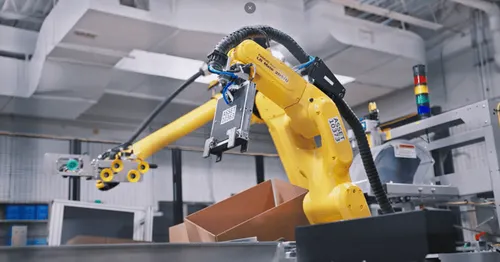
FANUC at IMTS 2026: Physical AI, Robotics and CNC Innovation Move Into the Factory
FANUC America is positioning IMTS 2026 as a showcase for the next stage of industrial…
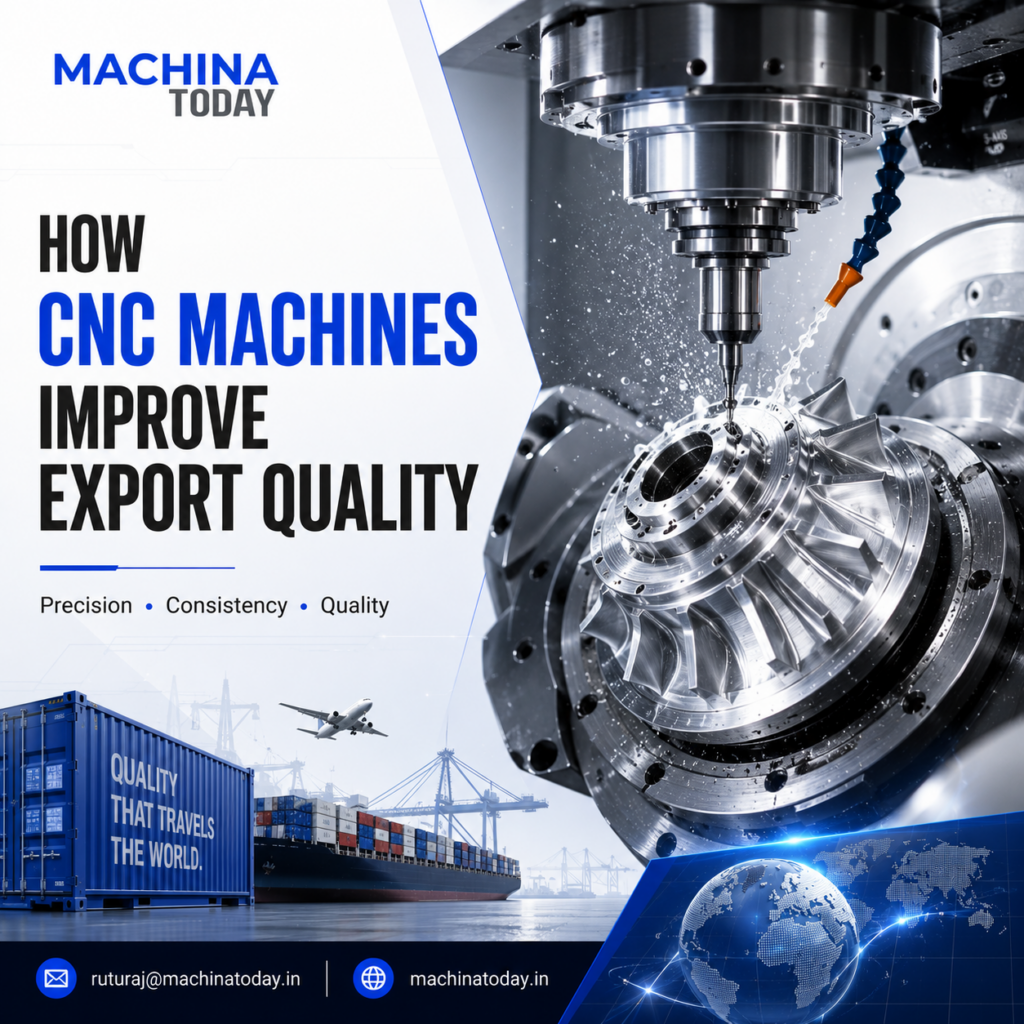
How CNC Machines Improve Export Quality: From Precision Machining to Process Control
Global manufacturing is increasingly built around supply chains where components may be designed in one…

ANCA at IMTS 2026: New Leadership, Precision Tooling and the Next Manufacturing Shift
A new CEO. A legendary founder. One booth. And a manufacturing industry moving faster than…
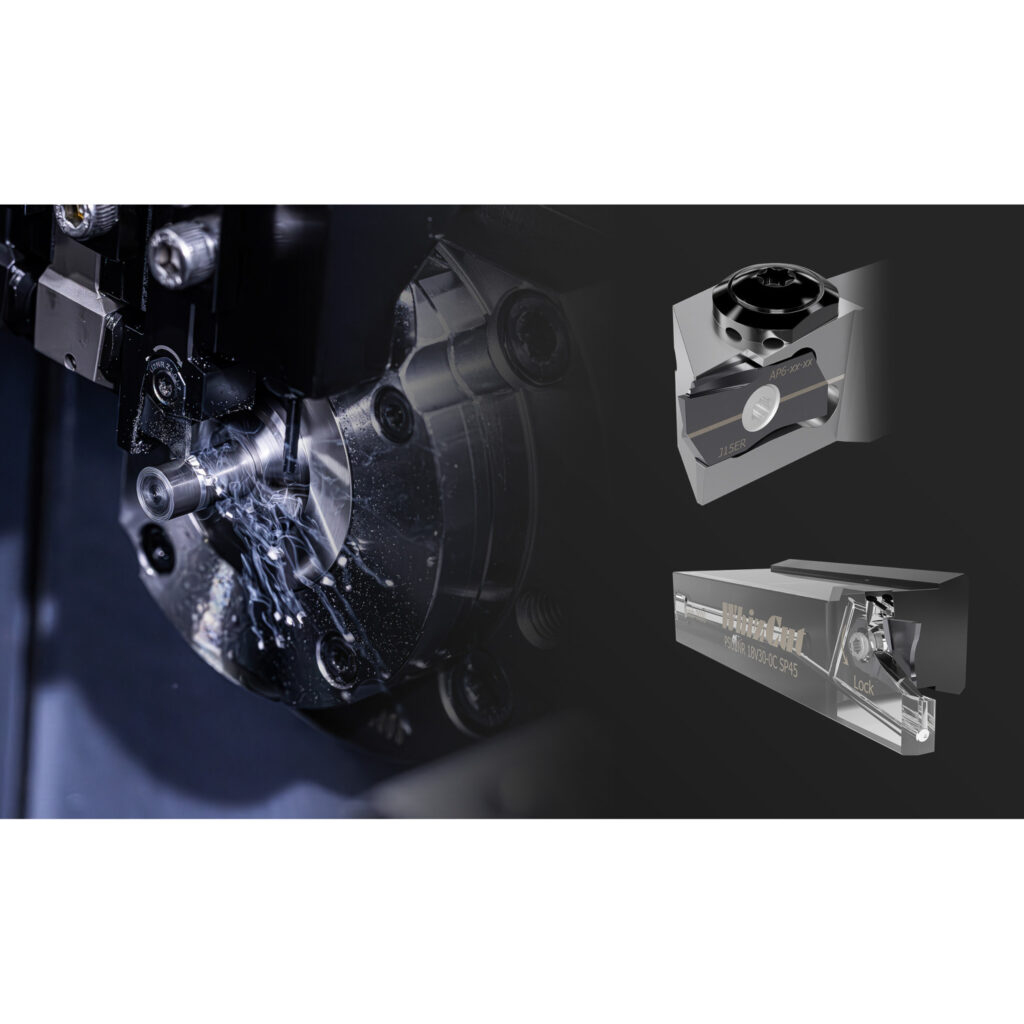
WhizCut at AMB Stuttgart 2026: Smarter Cutting Tools Target Material Waste, Productivity and Sustainable Machining
WhizCut is set to present its precision-tooling portfolio at AMB Stuttgart 2026, with products focused…