Walk into any modern manufacturing plant today and you’ll notice something different.
Machines are talking.
Production lines are generating millions of data points every hour.
Engineers can monitor equipment from anywhere in the world.
Maintenance teams know a machine will fail before it actually does.
Executives can track factory performance in real time.
This transformation is powered by Industrial Internet of Things (IIoT).
Industrial IoT is no longer an emerging technology—it’s becoming the operating system of modern manufacturing.
Companies that embrace IIoT are increasing productivity, reducing downtime, improving product quality, lowering operating costs, and making faster business decisions.
Whether you’re an engineer designing production systems, a factory owner planning digital transformation, or a CEO preparing your company for the next decade, understanding IIoT has become essential.
This comprehensive guide explains Industrial IoT from an engineering and business perspective.
What is Industrial IoT?
Industrial Internet of Things (IIoT) refers to a network of connected industrial machines, sensors, robots, software, cloud platforms, and analytics systems that continuously collect, share, and analyze operational data.
Unlike consumer IoT devices such as smart speakers or wearable watches, IIoT is built specifically for industrial environments where reliability, safety, precision, and uptime are critical.
Its goal is simple:
Transform industrial data into intelligent business decisions.
Why Industrial IoT Matters
Manufacturers face growing pressure from:
- Rising labor costs
- Global competition
- Supply chain disruptions
- Higher energy prices
- Skilled labor shortages
- Quality requirements
- Sustainability regulations
Industrial IoT helps solve these challenges by giving companies complete visibility into production.
Instead of reacting to problems, manufacturers begin predicting them.
How Industrial IoT Works
Step 1 – Smart Sensors
Machines continuously collect:
- Temperature
- Pressure
- Vibration
- Power consumption
- Machine speed
- Production output
- Tool wear
- Quality measurements
Step 2 – Edge Devices
Industrial gateways process information locally for faster decisions.
Step 3 – Industrial Networks
Data travels through:
- Ethernet/IP
- PROFINET
- OPC UA
- Modbus
- 5G
- Wi-Fi 6
- Industrial Wireless
Step 4 – Cloud Platform
Cloud software stores and analyzes millions of production records.
Step 5 – AI Analytics
Artificial Intelligence identifies:
- Equipment failures
- Production bottlenecks
- Energy waste
- Quality issues
- Maintenance schedules
Step 6 – Business Decisions
Managers receive dashboards showing:
- Overall Equipment Effectiveness (OEE)
- Machine utilization
- Downtime
- Scrap rate
- Production efficiency
- Energy consumption
Main Components of IIoT
- Smart Sensors
- PLCs
- SCADA Systems
- MES Software
- Industrial Gateways
- Edge Computing
- Cloud Platforms
- Artificial Intelligence
- Machine Learning
- Cybersecurity
- Industrial Robots
- Digital Twins
Benefits of Industrial IoT
Predictive Maintenance
Reduce unexpected breakdowns by predicting failures before they happen.
Real-Time Monitoring
Monitor every machine from anywhere in the world.
Higher Productivity
Improve Overall Equipment Effectiveness (OEE).
Better Product Quality
Detect defects earlier using AI-driven analytics.
Lower Operating Costs
Reduce waste, maintenance, and energy consumption.
Energy Management
Monitor electricity, compressed air, water, and gas usage.
Worker Safety
Detect unsafe conditions before accidents occur.
Supply Chain Visibility
Track inventory and production in real time.
Industrial IoT Architecture
Visualize a layered stack:
- Sensors & Machines
- PLCs / Controllers
- Edge Gateway
- Industrial Network
- Cloud Platform
- AI & Analytics
- Business Dashboard
- ERP / MES Integration
Top IIoT Applications
CNC Machine Monitoring
Predictive Maintenance
Smart Warehousing
Digital Quality Inspection
Connected Robots
Energy Management
Condition Monitoring
Remote Factory Monitoring
Digital Twin Simulation
Asset Tracking
Industrial IoT vs Consumer IoT
| Industrial IoT | Consumer IoT |
|---|---|
| Factory | Home |
| PLC | Smartphone |
| Sensors | Smartwatch |
| Robotics | Alexa |
| Mission Critical | Convenience |
CEO Perspective
Industrial IoT is no longer an engineering investment.
It is a business strategy.
Organizations implementing IIoT gain:
- Higher profitability
- Faster decision-making
- Better customer satisfaction
- Improved resilience
- Sustainable manufacturing
- Competitive advantage
Industrial IoT is transforming manufacturing faster than any previous industrial revolution.
The factories that invest today will become tomorrow’s industry leaders.
For engineers, IIoT offers exciting opportunities to build smarter systems.
For executives, it delivers measurable ROI through efficiency, quality, sustainability, and data-driven decision-making.
As AI, robotics, cloud computing, and digital twins continue to evolve, Industrial IoT will become the foundation of every intelligent factory.
Frequently Asked Questions
What is Industrial IoT?
Industrial IoT is the use of connected sensors, machines, software, and analytics to monitor and optimize industrial operations in real time.
How is IIoT different from IoT?
IIoT focuses on industrial environments such as factories and energy plants, while consumer IoT is designed for homes and personal devices.
What are the biggest benefits of IIoT?
Predictive maintenance, higher productivity, lower costs, improved quality, enhanced safety, and real-time visibility.
Is Industrial IoT expensive?
Costs vary depending on the scale of implementation, but many organizations achieve a positive ROI by reducing downtime and improving efficiency.
What technologies power IIoT?
Sensors, PLCs, SCADA, MES, cloud computing, edge computing, AI, machine learning, industrial networking, and cybersecurity.
Stay ahead of the future of manufacturing. Follow Machina Today for expert insights on Industrial IoT, AI, automation, robotics, and smart factory technologies. If your company is driving innovation, contact us to showcase your solutions to a global manufacturing audience.

IMTS 2026 Opens in Chicago: AI, CNC, Robotics and Automation Take Center Stage
IMTS 2026 is officially underway in Chicago, bringing the global manufacturing technology industry together at…
Top Aerospace Manufacturing Technologies in 2026: 10 Technologies Reshaping How Aircraft Are Built
Aerospace manufacturing is entering a new industrial era. From AI-driven engineering and digital twins to…
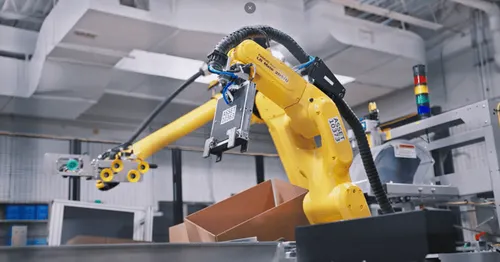
FANUC at IMTS 2026: Physical AI, Robotics and CNC Innovation Move Into the Factory
FANUC America is positioning IMTS 2026 as a showcase for the next stage of industrial…
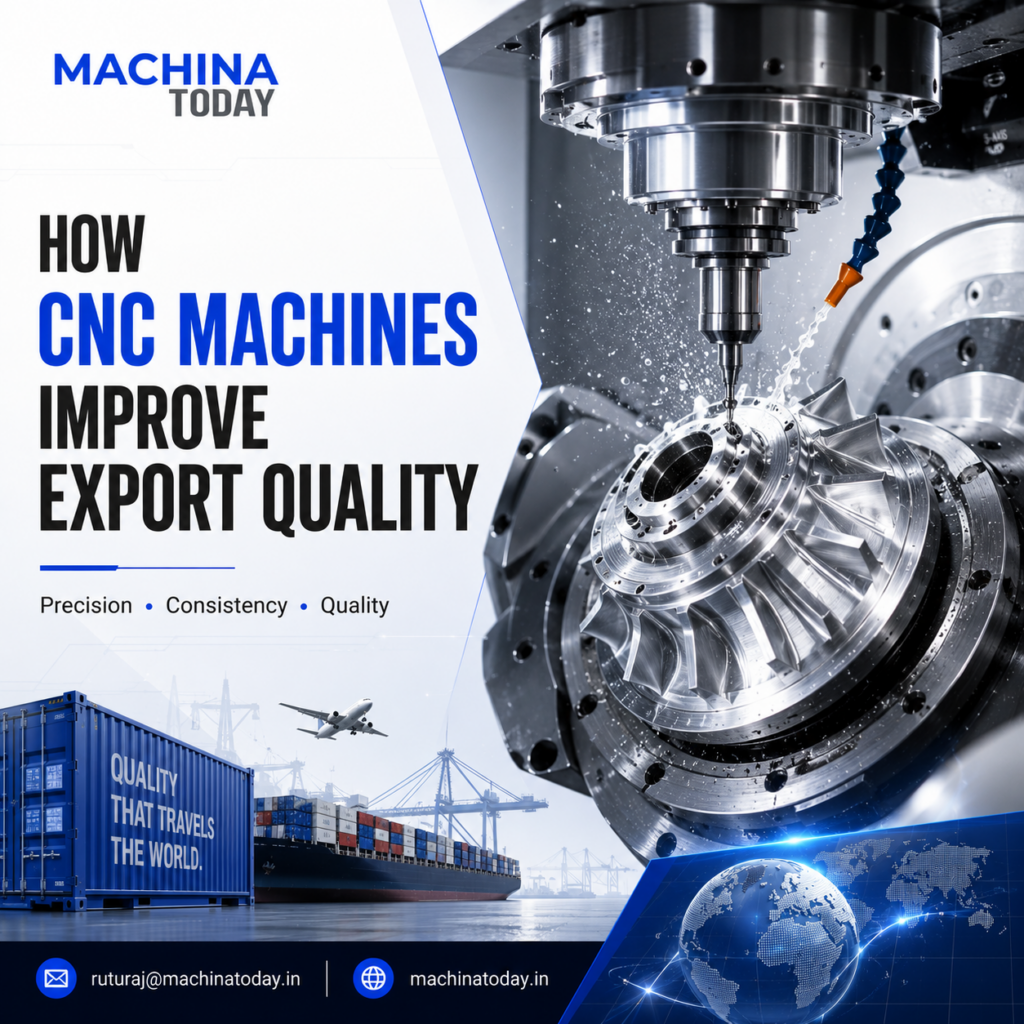
How CNC Machines Improve Export Quality: From Precision Machining to Process Control
Global manufacturing is increasingly built around supply chains where components may be designed in one…
ANCA at IMTS 2026: New Leadership, Precision Tooling and the Next Manufacturing Shift
A new CEO. A legendary founder. One booth. And a manufacturing industry moving faster than…
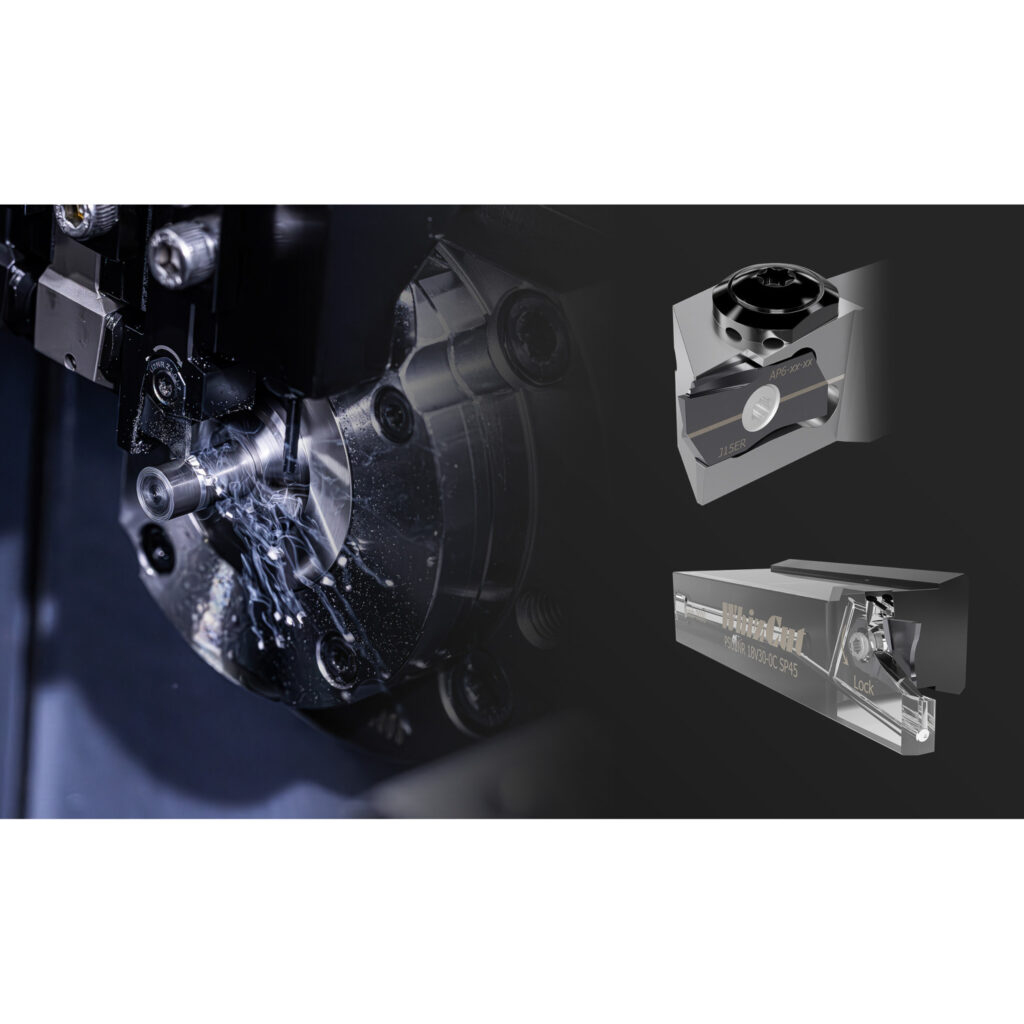
WhizCut at AMB Stuttgart 2026: Smarter Cutting Tools Target Material Waste, Productivity and Sustainable Machining
WhizCut is set to present its precision-tooling portfolio at AMB Stuttgart 2026, with products focused…