The global manufacturing sector is at a turning point. After the automation-driven Industry 4.0 revolution, the world is now stepping into Industry 5.0—where technology and human intelligence work side by side. For India, a country aiming to become a global manufacturing hub under initiatives like Make in India and PLI schemes, smart manufacturing is not just a buzzword; it’s a survival strategy.
So, how exactly is Industry 5.0 reshaping Indian manufacturing, and what does it mean for businesses, workers, and global trade? Let’s dive in.
1. From Automation to Human-Robot Collaboration
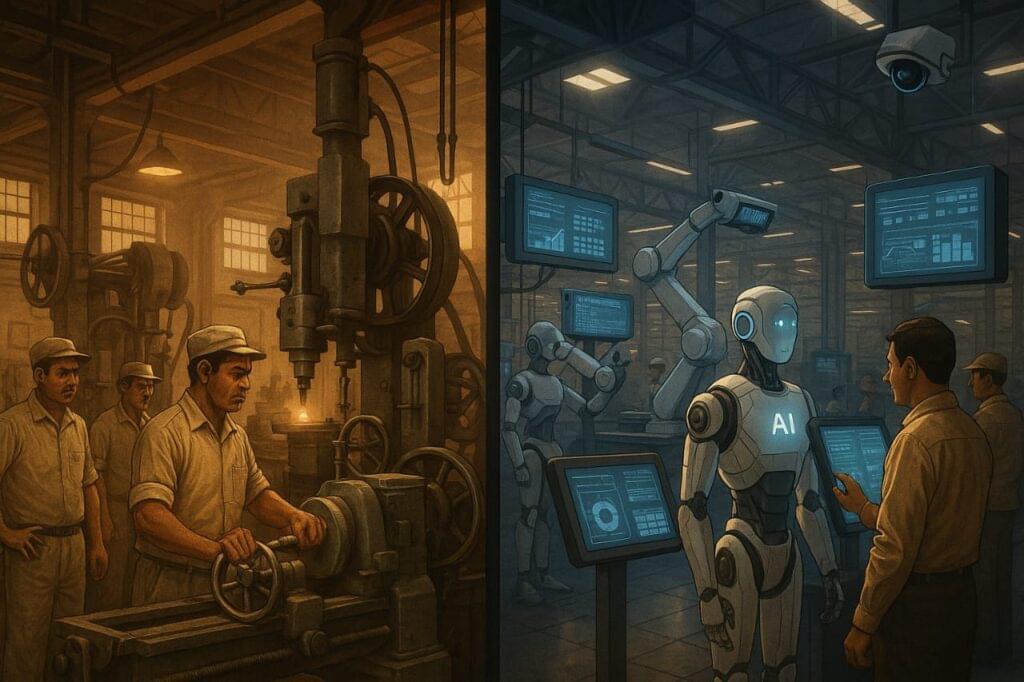
Industry 4.0 focused on automation, IoT, and data analytics, often replacing repetitive human tasks. Industry 5.0 takes it further by bringing humans back into the loop.
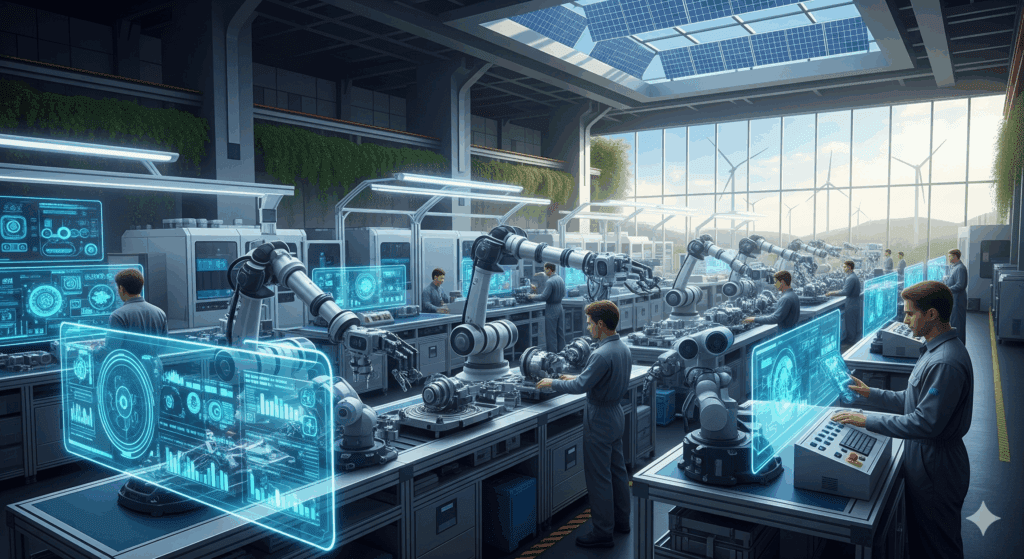
- Collaborative robots (cobots) are now working alongside skilled operators, making manufacturing safer and more efficient.
- In India, MSMEs are experimenting with affordable cobot solutions in automotive and electronics industries.
- Unlike traditional robots, cobots are designed for flexibility, safety, and adaptability, crucial for small-batch, customized production.
Why it matters for India:
Instead of displacing jobs, Industry 5.0 creates augmented roles where human creativity meets machine precision—critical for India’s diverse labor market.
2. AI, IoT, and Digital Twins Driving Efficiency
Smart factories are not futuristic concepts anymore; they are already here.
- IoT sensors monitor machines in real-time, reducing downtime.
- AI-powered predictive maintenance helps avoid costly breakdowns.
- Digital Twins (virtual replicas of physical machines) allow manufacturers to simulate production processes before real-world execution.
Example:
Tata Steel and Bharat Forge are already investing in AI-driven monitoring systems to cut energy use and improve efficiency.
3. Sustainability Becomes a Core Driver
Green manufacturing is no longer optional—it’s a necessity.
- With global buyers demanding eco-friendly supply chains, Indian manufacturers must adopt energy-efficient machinery, renewable energy, and waste reduction systems.
- Smart factories reduce carbon footprints by using AI for energy optimization and circular economy practices.
Global Angle:
Europe and the U.S. are enforcing stricter carbon rules, meaning Indian exporters must comply if they want to stay competitive in global trade.
4. Opportunities for MSMEs in Smart Manufacturing
While large corporations have already begun digitizing operations, the real challenge lies in India’s MSME sector.
- Affordable automation tools and cloud-based software are making entry easier.
- Government schemes like Digital MSME and PLI initiatives encourage small manufacturers to modernize.
- Upskilling the workforce is key—mechanical engineers must learn AI, robotics, and IoT integration.
5. India’s Road to Becoming a Global Smart Manufacturing Hub
India has several advantages:
- A young, skilled workforce
- Rapidly growing tech ecosystem
- Strong government push for manufacturing exports
However, challenges remain:
- High initial investment for smart tech
- Lack of digital infrastructure in rural areas
- Need for training and reskilling programs
If India can bridge these gaps, it could rival China, Germany, and Japan in advanced manufacturing.
Smart manufacturing and Industry 5.0 are not about replacing people with machines, but about creating synergy between human intelligence and advanced technology.
For India, the adoption of Industry 5.0 could:
✅ Boost productivity
✅ Open new global markets
✅ Create high-value jobs
✅ Position the country as a leader in sustainable, human-centric manufacturing
The factories of the future are already here. The question is: Are Indian manufacturers ready to embrace them?

IMTS 2026 Opens in Chicago: AI, CNC, Robotics and Automation Take Center Stage
IMTS 2026 is officially underway in Chicago, bringing the global manufacturing technology industry together at…
Top Aerospace Manufacturing Technologies in 2026: 10 Technologies Reshaping How Aircraft Are Built
Aerospace manufacturing is entering a new industrial era. From AI-driven engineering and digital twins to…
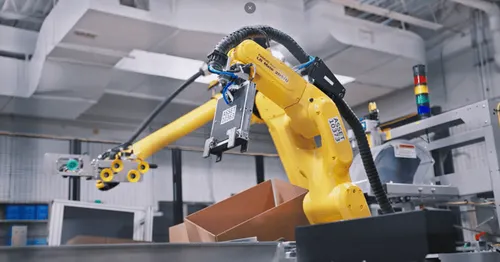
FANUC at IMTS 2026: Physical AI, Robotics and CNC Innovation Move Into the Factory
FANUC America is positioning IMTS 2026 as a showcase for the next stage of industrial…
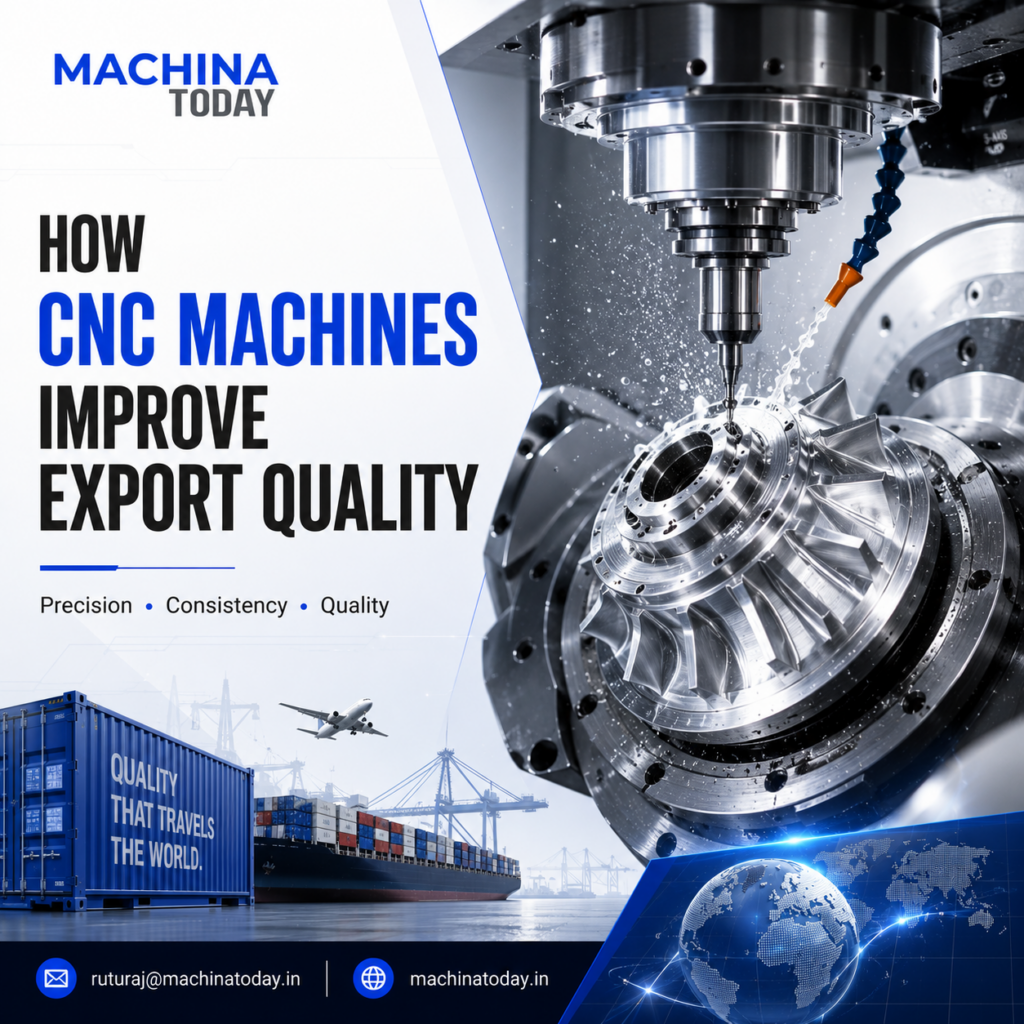
How CNC Machines Improve Export Quality: From Precision Machining to Process Control
Global manufacturing is increasingly built around supply chains where components may be designed in one…

ANCA at IMTS 2026: New Leadership, Precision Tooling and the Next Manufacturing Shift
A new CEO. A legendary founder. One booth. And a manufacturing industry moving faster than…
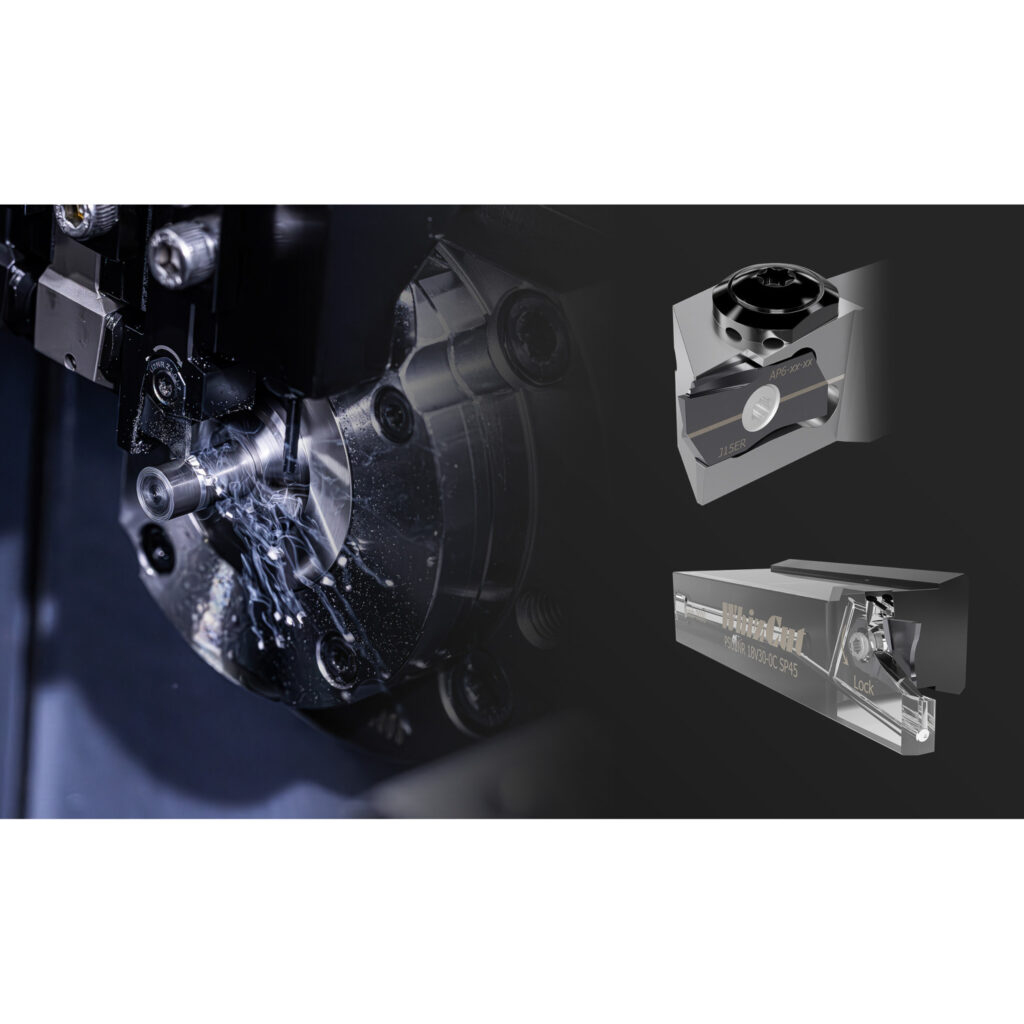
WhizCut at AMB Stuttgart 2026: Smarter Cutting Tools Target Material Waste, Productivity and Sustainable Machining
WhizCut is set to present its precision-tooling portfolio at AMB Stuttgart 2026, with products focused…