A factory without sensors is like a human without senses.
It can work — but it can’t feel, hear, or predict danger.
In today’s smart factories, sensors are no longer optional. They are the eyes, ears, and nervous system of Industry 4.0 — enabling machines to sense temperature, vibration, pressure, motion, and even quality defects in real time.
Welcome to the silent technology powering automation, AI, and digital manufacturing: Smart Sensors.
What Are Smart Sensors?
Smart sensors are advanced sensing devices that not only measure physical parameters but also process and communicate data digitally.
Unlike traditional sensors, smart sensors can:
- Filter data
- Detect abnormalities
- Communicate with machines, PLCs, and cloud platforms
They convert raw signals into actionable intelligence.
Types of Smart Sensors Used in Manufacturing
🔹 Temperature Sensors – Prevent overheating of motors, spindles, and electronics
🔹 Vibration Sensors – Detect bearing, spindle, and gearbox faults
🔹 Pressure Sensors – Monitor hydraulics and pneumatics
🔹 Proximity Sensors – Ensure precise positioning and safety
🔹 Optical & Vision Sensors – Enable AI-based quality inspection
🔹 Energy Sensors – Track power consumption and efficiency
Together, they create a data-rich factory environment.
How Smart Sensors Enable Industry 4.0
Smart sensors act as the data collectors for:
- Predictive Maintenance
- Industrial IoT (IIoT)
- Digital Twins
- AI-based Quality Control
Without sensors, there is no data.
Without data, there is no smart manufacturing.
Real-World Applications
⚙️ Predictive Maintenance
Sensors detect abnormal vibration or temperature rise — warning engineers before breakdowns occur.
📊 Process Optimization
Live sensor data helps adjust machine parameters for maximum efficiency and consistency.
🔍 Quality Control
Vision sensors inspect products at high speed — achieving zero-defect manufacturing.
⚡ Energy Management
Smart energy sensors identify power wastage and help reduce operational costs.
Smart Sensors in Indian Manufacturing
Indian factories are rapidly adopting sensor-based systems in:
- CNC machining
- Automotive components
- Textile machinery
- Pharma and food processing
Affordable sensors + cloud platforms are making Industry 4.0 accessible even to MSMEs.
Government initiatives like Make in India and Smart Manufacturing Programs are accelerating adoption.
Challenges in Sensor Adoption
Despite benefits, challenges include:
❌ Data overload
❌ Cybersecurity risks
❌ Integration with old machines
However, edge computing, AI analytics, and secure IIoT platforms are solving these problems quickly.
Future of Smart Sensors (Industry 5.0)
In Industry 5.0, sensors will:
- Self-calibrate
- Learn patterns using AI
- Support human-centric manufacturing
- Enable sustainable and energy-efficient factories
Factories will no longer react — they will anticipate.
Smart sensors may be small, but their impact is massive.
They transform factories from mechanical systems into living, intelligent ecosystems.
In the journey toward Industry 5.0, sensors are not accessories — they are essentials.

IMTS 2026 Opens in Chicago: AI, CNC, Robotics and Automation Take Center Stage
IMTS 2026 is officially underway in Chicago, bringing the global manufacturing technology industry together at…

Top Aerospace Manufacturing Technologies in 2026: 10 Technologies Reshaping How Aircraft Are Built
Aerospace manufacturing is entering a new industrial era. From AI-driven engineering and digital twins to…
FANUC at IMTS 2026: Physical AI, Robotics and CNC Innovation Move Into the Factory
FANUC America is positioning IMTS 2026 as a showcase for the next stage of industrial…
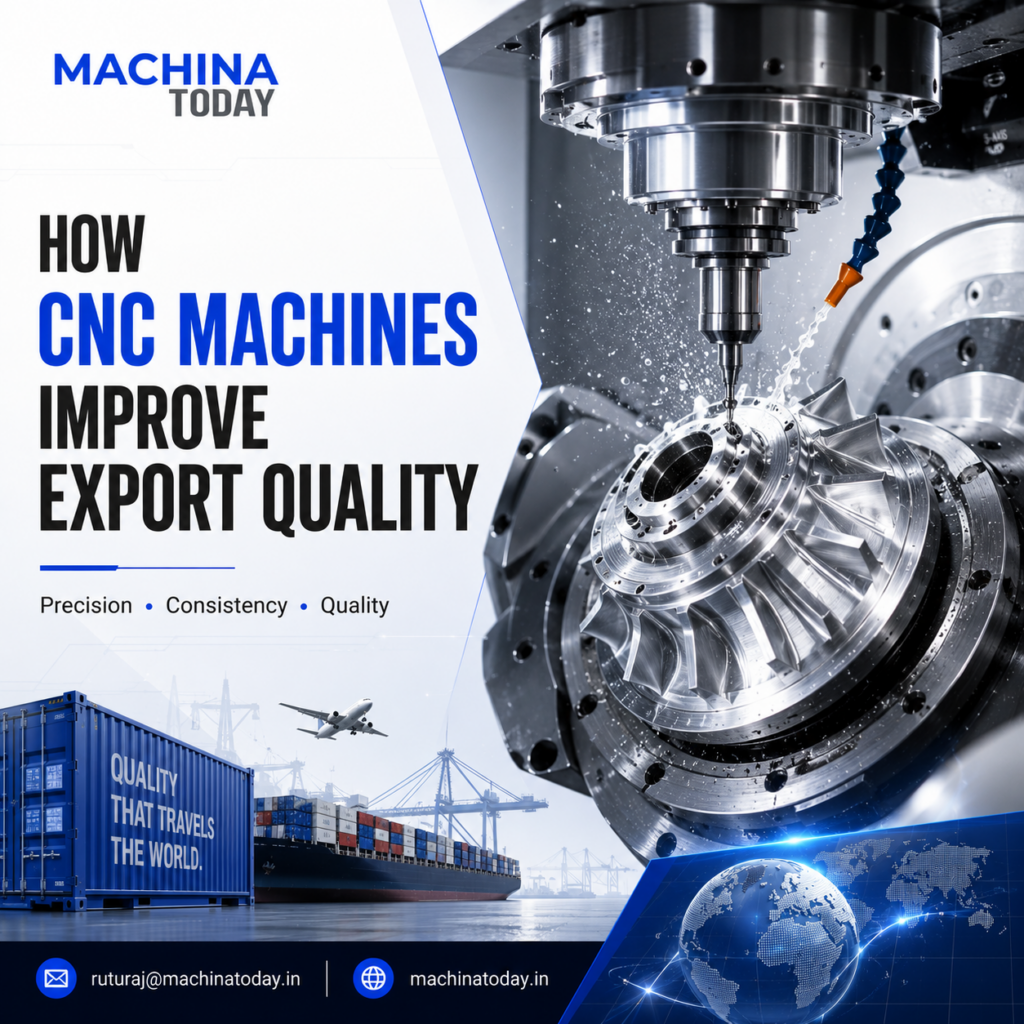
How CNC Machines Improve Export Quality: From Precision Machining to Process Control
Global manufacturing is increasingly built around supply chains where components may be designed in one…

ANCA at IMTS 2026: New Leadership, Precision Tooling and the Next Manufacturing Shift
A new CEO. A legendary founder. One booth. And a manufacturing industry moving faster than…
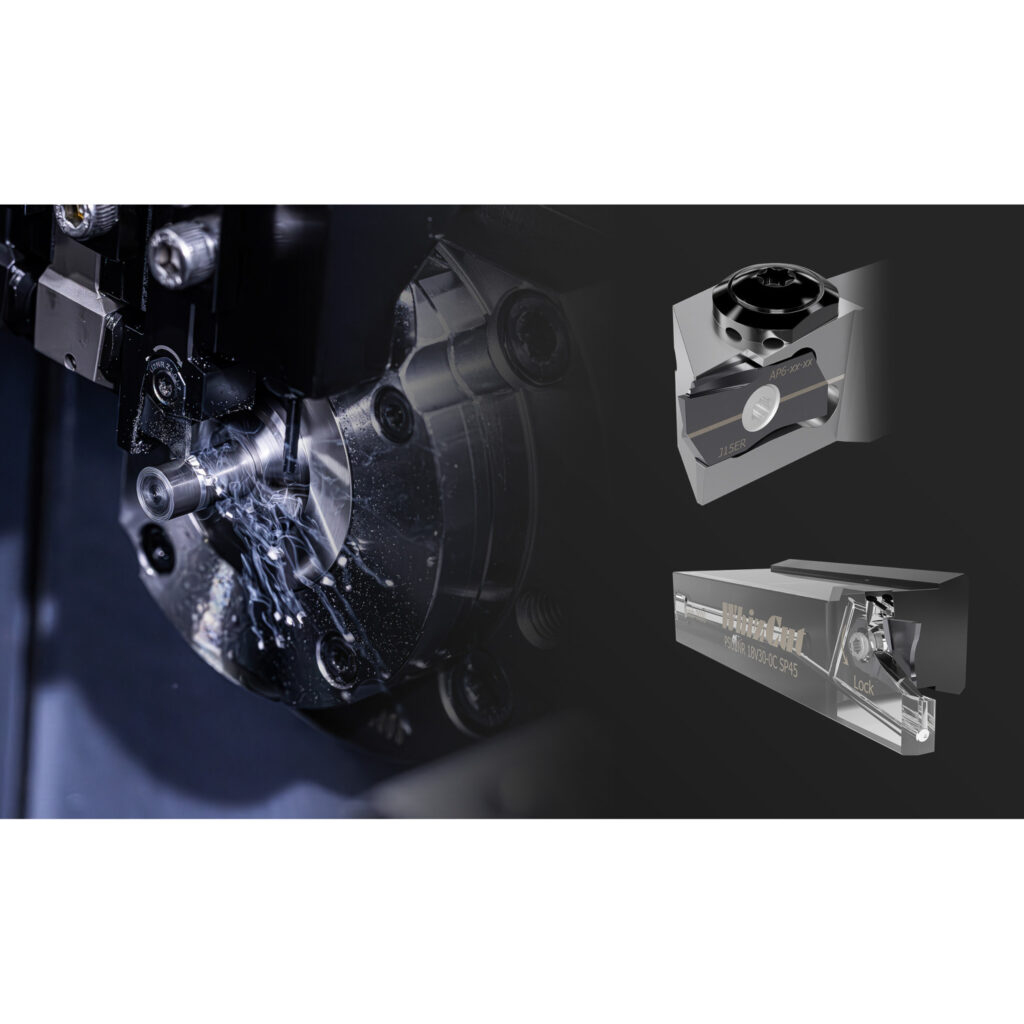
WhizCut at AMB Stuttgart 2026: Smarter Cutting Tools Target Material Waste, Productivity and Sustainable Machining
WhizCut is set to present its precision-tooling portfolio at AMB Stuttgart 2026, with products focused…