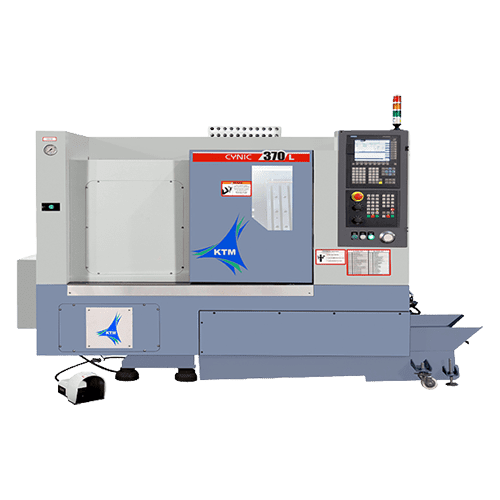
Top 10 CNC Machine Trends Changing Manufacturing in 2026
The CNC machining industry is entering a new era in 2026. From AI-powered automation to digital twins and autonomous machining cells, manufacturers worldwide are transforming factories faster than ever before. Companies that adopt these technologies early are improving productivity, reducing downtime, cutting costs, and staying competitive in the global market.
As industries like aerospace, automotive, medical, defense, and electronics demand higher precision and faster production, CNC technology is evolving into a smarter, connected, and more autonomous ecosystem.
- AI-Powered CNC Machining Becomes Mainstream
Artificial Intelligence is now deeply integrated into CNC operations. Modern CNC controls can automatically adjust feeds, speeds, and toolpaths based on real-time cutting conditions.
Benefits include:
Reduced tool wear
Better surface finish
Less scrap generation
Faster cycle times
Improved machine utilization
AI systems can analyze spindle load, vibration, and temperature data to prevent machining errors before they happen. This trend is especially growing in aerospace and high-precision industries.
- Digital Twins Are Revolutionizing Production
Digital twins are becoming one of the biggest manufacturing innovations of 2026.
A digital twin is a virtual replica of a CNC machine, production line, or factory that mirrors real-time operations.
Manufacturers use digital twins for:
Simulation before production
Collision detection
Process optimization
Predictive maintenance
Virtual commissioning
This technology helps companies reduce costly setup mistakes and shorten lead times significantly.
- Lights-Out Manufacturing Is Expanding
Factories are increasingly adopting “lights-out manufacturing,” where CNC machines run autonomously with minimal human involvement.
Key technologies enabling this include:
Robotic part loading/unloading
Automated inspection systems
Smart tool monitoring
AI-driven process correction
Industrial IoT connectivity
Large manufacturers are already operating unmanned machining cells overnight to maximize machine uptime and productivity.
- Hybrid Manufacturing Is Growing Rapidly
Hybrid manufacturing combines additive manufacturing (3D printing) with traditional CNC machining.
This allows manufacturers to:
Build complex geometries
Reduce material waste
Repair expensive components
Produce lightweight aerospace parts
Improve production flexibility
Hybrid CNC systems are gaining popularity in aerospace, medical implants, and energy sectors.
- Predictive Maintenance Is Replacing Reactive Repairs
Modern CNC machines now use sensors and AI analytics to predict failures before breakdowns occur.
Predictive maintenance systems monitor:
Spindle vibration
Tool wear
Coolant conditions
Thermal behavior
Servo performance
This reduces unplanned downtime and extends machine life, saving manufacturers significant maintenance costs.
- Smart Factories Are Becoming Fully Connected
Industry 4.0 is no longer optional in 2026.
CNC machines are now connected with:
ERP systems
MES software
Cloud analytics
Industrial IoT platforms
Real-time dashboards
This creates fully connected smart factories where production decisions are driven by live data instead of manual reporting.
- Advanced Robotics Integration Is Increasing
Collaborative robots (cobots) and industrial robots are becoming standard in CNC shops.
Robots now handle:
Material loading
Tool changing
Inspection
Deburring
Pallet automation
This helps manufacturers overcome labor shortages while increasing consistency and production speed.
- Sustainable CNC Manufacturing Is a Major Priority
Sustainability is becoming a core focus for manufacturers worldwide.
New CNC trends include:
Energy-efficient spindles
Eco-friendly coolant systems
Reduced material waste
Smart energy monitoring
Carbon footprint optimization
Many manufacturers are also using AI to optimize cutting parameters for lower energy consumption.
- XR, AR, and VR Are Entering CNC Operations
Extended Reality (XR), Augmented Reality (AR), and Virtual Reality (VR) are transforming workforce training and maintenance.
Applications include:
Virtual machine training
Remote troubleshooting
AR-guided maintenance
Interactive factory simulations
This technology helps companies train new operators faster and reduce dependency on experienced machinists.
- Cybersecurity in CNC Manufacturing Is Becoming Critical
As factories become more connected, cybersecurity risks are increasing.
Manufacturers are investing in:
Zero-trust architecture
Secure remote access
AI-powered threat detection
IT/OT network protection
Protecting CNC machines and factory data is now a top priority for smart manufacturing facilities.
Why These CNC Trends Matter
The CNC industry in 2026 is shifting from traditional automation to intelligent manufacturing ecosystems.
Factories adopting these technologies are seeing:
Higher production efficiency
Better product quality
Reduced labor dependency
Faster production cycles
Lower operating costs
Improved global competitiveness
Countries like Germany, Japan, the USA, China, and India are heavily investing in smart manufacturing and AI-driven CNC technologies to strengthen industrial growth.
The Future of CNC Manufacturing
The future of CNC machining is autonomous, connected, and data-driven. AI, robotics, digital twins, and smart automation will continue reshaping manufacturing over the next decade.
Manufacturers that embrace these innovations early will lead the next industrial revolution.
FAQ
What is the biggest CNC trend in 2026?
AI-powered machining and digital twins are among the biggest trends transforming CNC manufacturing in 2026.
What is lights-out manufacturing?
Lights-out manufacturing refers to fully automated factories that can run with minimal or no human intervention.
How does AI improve CNC machining?
AI improves CNC machining by optimizing feeds, speeds, toolpaths, predictive maintenance, and real-time process correction.
What industries benefit most from advanced CNC technology?
Aerospace, automotive, medical, defense, electronics, and energy industries benefit the most from modern CNC advancements.
Are smart factories expensive to implement?
Initial investment can be high, but smart factories significantly reduce long-term production costs and downtime.