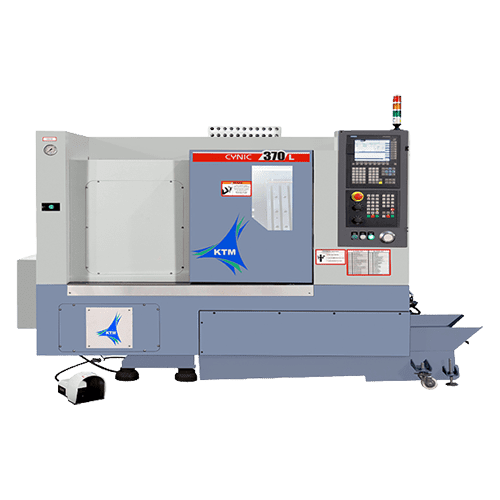
Modern manufacturing is moving toward smaller, more complex, and ultra-precise components. From aerospace connectors to medical implants and EV sensor parts, industries now demand micron-level accuracy with faster production cycles. This is where Swiss CNC machining is changing the game.
Originally developed for Swiss watchmaking, Swiss-type CNC lathes are now widely used across aerospace, automotive, medical, electronics, and industrial manufacturing because of their ability to produce extremely precise small parts with exceptional consistency.
What Is Swiss CNC Machining?
Swiss CNC machining is a specialized form of CNC turning designed for manufacturing small, complex, and high-precision components. Unlike conventional lathes, Swiss machines use a sliding headstock and guide bushing system that supports the material close to the cutting point.
This setup significantly reduces vibration and material deflection during machining, especially for long and slender components such as shafts, pins, connectors, and miniature fasteners.
Why Swiss Machining Is Different From Conventional CNC Turning
In traditional CNC turning, the workpiece extends away from the chuck, which can create instability when machining thin or delicate parts.
Swiss machining solves this issue by keeping the material continuously supported during cutting operations. This enables:
- Higher dimensional accuracy
- Better surface finishes
- Reduced vibration
- Faster cycle times
- Greater repeatability
- Lower scrap rates
Many modern Swiss machines can also perform multiple operations simultaneously, including turning, milling, drilling, threading, and cross-hole machining in a single setup.
Industries Driving Demand for Swiss CNC Machining
Aerospace
Aerospace manufacturers rely on Swiss machining for fuel system parts, precision shafts, fasteners, and hydraulic components where tight tolerances are critical.
Medical Devices
Swiss machines are widely used to produce surgical screws, implants, dental components, and orthopedic parts that require microscopic precision and smooth finishes.
Electronics
Miniature connectors, sensor housings, micro pins, and precision contacts for consumer electronics and industrial automation are commonly manufactured using Swiss CNC systems.
Automotive and EV Manufacturing
The rise of electric vehicles is increasing demand for high-precision motor shafts, battery connectors, injector parts, and sensor components.
Key Advantages of Swiss CNC Technology
1. Exceptional Precision
Swiss machines can achieve extremely tight tolerances, often within microns, making them ideal for critical industrial applications.
2. Ideal for Small and Complex Parts
The technology excels at producing miniature parts with intricate geometries that are difficult to manufacture using conventional methods.
3. Faster Production
Modern Swiss machines combine multiple operations into one cycle, reducing setup time and improving productivity.
4. Lower Production Costs at Scale
Although Swiss machines have higher setup costs, they become highly cost-effective for medium to high-volume production due to reduced labor and secondary operations.
5. Better Surface Finish
Stable cutting conditions help achieve cleaner finishes and reduce post-processing requirements.
Materials Commonly Used in Swiss Machining
Swiss CNC machines can process a wide range of materials, including:
- Stainless steel
- Titanium
- Aluminum
- Brass
- Copper
- Nickel alloys
- Engineering plastics
- Carbon steel
This versatility allows manufacturers to serve industries with demanding performance and durability requirements.
The Rise of Multi-Axis Swiss Machining
One major trend transforming the industry is the adoption of multi-axis Swiss CNC systems.
Modern machines now feature:
- 5-axis machining
- Live tooling
- Automated bar feeders
- Robotic part handling
- Real-time monitoring systems
These advancements are helping factories improve efficiency while supporting Industry 4.0 and smart manufacturing initiatives.
Challenges Manufacturers Still Face
Despite its advantages, Swiss machining comes with challenges:
- Higher machine investment costs
- Complex programming requirements
- Skilled operator shortages
- Longer setup times for small batches
However, growing automation and AI-assisted programming are helping reduce these barriers.
Future of Swiss CNC Machining
As industries continue pushing toward miniaturization and higher precision, Swiss CNC machining is expected to play an even bigger role in global manufacturing.
Key future trends include:
- AI-assisted machining optimization
- Lights-out automated production
- Digital twin integration
- Smart quality inspection systems
- Hybrid machining technologies
Manufacturers investing in precision automation today are positioning themselves for the next generation of industrial production.
Final Thoughts
Swiss CNC machining is no longer limited to luxury watchmaking. It has become one of the most important manufacturing technologies for producing high-precision components across global industries.
With increasing demand for miniature, lightweight, and complex parts, Swiss machining is helping manufacturers achieve better accuracy, efficiency, and scalability in modern production environments.
Looking to showcase your brand to the global manufacturing industry?
For companies focused on aerospace, medical, EV, electronics, and advanced industrial manufacturing, Swiss CNC technology is quickly becoming a competitive necessity rather than a premium option.
Advertise with Machina Today — a fast-growing digital media platform focused on CNC, automation, robotics, smart factories, engineering, and industrial innovation.
Why partner with us?
✔ Targeted audience of manufacturers, engineers & industrial buyers
✔ SEO-optimized articles for long-term visibility
✔ Readers from India, USA, Europe & global manufacturing markets
✔ Industry-focused digital exposure and branding
✔ Coverage of major manufacturing trends and events
For advertising, sponsored articles, media partnerships, or company features:
📩 ruturaj@machinatoday.in
📞 +91 9510235230
#Manufacturing #Automation #CNC #Industry40 #IndustrialMarketing #Engineering #SmartFactory #MachinaToday
What is Swiss CNC machining used for?
Swiss CNC machining is used to manufacture small, high-precision components for industries like aerospace, medical, electronics, and automotive.
Why is Swiss machining more accurate?
The guide bushing system supports the material close to the cutting tool, reducing vibration and deflection.
What materials can Swiss machines process?
Swiss machines can handle stainless steel, titanium, brass, aluminum, copper, plastics, and many specialty alloys.
Is Swiss machining expensive?
Initial machine and setup costs are high, but it becomes highly cost-effective for medium to large production volumes.
What industries benefit most from Swiss machining?
Medical, aerospace, EV, electronics, and precision industrial manufacturing benefit the most.

IMTS 2026 Opens in Chicago: AI, CNC, Robotics and Automation Take Center Stage
IMTS 2026 is officially underway in Chicago, bringing the global manufacturing technology industry together at…

Top Aerospace Manufacturing Technologies in 2026: 10 Technologies Reshaping How Aircraft Are Built
Aerospace manufacturing is entering a new industrial era. From AI-driven engineering and digital twins to…
FANUC at IMTS 2026: Physical AI, Robotics and CNC Innovation Move Into the Factory
FANUC America is positioning IMTS 2026 as a showcase for the next stage of industrial…
How CNC Machines Improve Export Quality: From Precision Machining to Process Control
Global manufacturing is increasingly built around supply chains where components may be designed in one…

ANCA at IMTS 2026: New Leadership, Precision Tooling and the Next Manufacturing Shift
A new CEO. A legendary founder. One booth. And a manufacturing industry moving faster than…
WhizCut at AMB Stuttgart 2026: Smarter Cutting Tools Target Material Waste, Productivity and Sustainable Machining
WhizCut is set to present its precision-tooling portfolio at AMB Stuttgart 2026, with products focused…