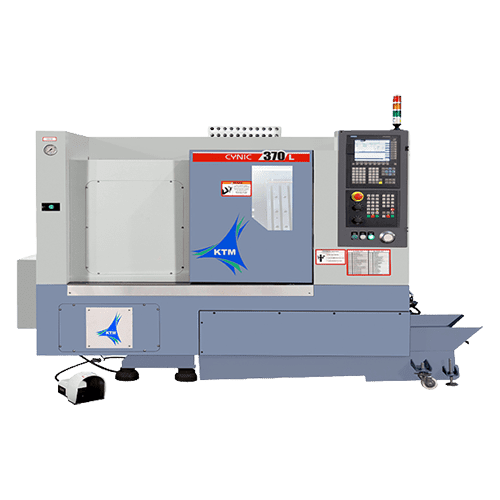
Why 5-Axis Machining Is Growing Worldwide
Walk into a modern aerospace factory, a medical implant manufacturing facility, or an advanced automotive production plant, and you’ll notice one thing:
The machines are getting smarter.
For decades, manufacturers relied heavily on 3-axis machining centers. They were reliable, productive, and cost-effective. But today’s manufacturing world demands something more—higher precision, faster production, complex geometries, and global competitiveness.
This is where 5-axis machining is changing the game.
Across North America, Europe, Japan, China, India, and emerging manufacturing economies, companies are investing heavily in 5-axis CNC technology. What was once considered a premium technology reserved for aerospace giants is now becoming a strategic investment for manufacturers of all sizes.
The question is no longer “Should we consider 5-axis machining?”
The question is becoming “Can we afford to stay without it?”
What Is 5-Axis Machining?
A traditional CNC machine moves in three directions:
- X Axis (left-right)
- Y Axis (front-back)
- Z Axis (up-down)
A 5-axis machine adds two rotational movements, allowing the cutting tool or workpiece to approach the component from virtually any angle.
This capability enables manufacturers to machine highly complex parts in a single setup.
Benefits Include:
✔ Better surface finish
✔ Higher accuracy
✔ Reduced setups
✔ Faster production cycles
✔ Ability to manufacture complex parts
✔ Improved tool life
✔ Lower overall production costs
Why Is Global Demand Rising So Fast?
1. Aerospace Industry Demands Extreme Precision
Modern aircraft components are becoming lighter, stronger, and more complex.
Parts such as:
- Turbine blades
- Structural components
- Engine housings
- Titanium brackets
often require multi-angle machining.
5-axis machines allow manufacturers to produce these components with fewer setups while maintaining extremely tight tolerances.
As global air travel expands and new aircraft programs emerge, demand for advanced machining continues to rise.
2. Medical Manufacturing Requires Complex Geometries
The medical sector is another major driver.
Products such as:
- Knee implants
- Hip implants
- Dental components
- Surgical instruments
require exceptional accuracy and intricate shapes.
5-axis machining enables manufacturers to create these components while maintaining strict quality standards and reducing production time.
For patients, this means better products.
For manufacturers, it means greater competitiveness.
3. Electric Vehicles Are Reshaping Manufacturing
The rise of electric vehicles (EVs) is creating demand for advanced components that require complex machining operations.
Examples include:
- Battery housings
- Motor components
- Lightweight structural parts
- Precision cooling systems
Manufacturers adopting 5-axis technology can bring these products to market faster and with greater efficiency.
4. Global Labor Shortages Are Driving Automation
Finding skilled machinists has become a challenge worldwide.
Manufacturers are increasingly looking for solutions that:
- Reduce manual intervention
- Increase productivity
- Support lights-out manufacturing
- Improve consistency
Modern 5-axis machines combined with automation systems, robotics, and intelligent software can significantly increase output with fewer operators.
5. Reduced Setups Mean Higher Productivity
One of the biggest hidden costs in manufacturing is setup time.
Every time a part is removed and repositioned:
- Production slows down
- Errors become more likely
- Labor costs increase
5-axis machining minimizes these challenges by machining multiple surfaces in a single setup.
For many manufacturers, this alone delivers a strong return on investment.
Why Small and Medium Manufacturers Are Adopting 5-Axis
A common misconception is that 5-axis machining is only for large corporations.
That is changing rapidly.
Machine builders are introducing more affordable solutions, software is becoming easier to use, and skilled programming resources are more accessible than ever.
Today, even small machine shops are investing in 5-axis technology to:
- Win higher-value contracts
- Enter aerospace supply chains
- Improve profitability
- Differentiate themselves from competitors
The technology is becoming a competitive necessity rather than a luxury.
The Role of Industry 4.0 and Smart Manufacturing
The next generation of manufacturing is connected.
Modern 5-axis machines are increasingly integrated with:
- AI-powered monitoring
- Digital twins
- Predictive maintenance
- Real-time production analytics
- Cloud-based manufacturing systems
This allows factory managers to optimize production, reduce downtime, and make data-driven decisions.
The result is a smarter, more efficient manufacturing ecosystem.
What Does This Mean for India?
India’s manufacturing sector is rapidly evolving.
Government initiatives, export growth, and increasing investments in aerospace, defense, medical devices, and automotive manufacturing are creating new opportunities.
Indian manufacturers that embrace advanced machining technologies today will be better positioned to compete globally tomorrow.
The future of manufacturing exports will increasingly depend on:
- Precision
- Automation
- Productivity
- Technology adoption
And 5-axis machining sits at the center of this transformation.
Challenges to Consider
While the advantages are significant, companies should also consider:
Initial Investment
5-axis machines require a higher upfront investment compared to traditional machines.
Training Requirements
Programming and operating advanced machines require skilled personnel.
Process Planning
Manufacturers must optimize workflows to maximize the benefits of the technology.
However, many companies find that productivity gains and new business opportunities quickly justify the investment.
The Future of 5-Axis Machining
Industry experts expect global adoption to continue accelerating over the next decade.
Key drivers include:
- Aerospace growth
- Defense manufacturing
- Medical technology expansion
- Electric vehicle production
- Robotics manufacturing
- Advanced materials machining
- Smart factory investments
As products become more sophisticated, manufacturers will increasingly require machines capable of producing complex components with speed and precision.
The future belongs to manufacturers who can adapt, innovate, and deliver world-class quality.
5-axis machining is helping make that future possible.
Final Thoughts
The growth of 5-axis machining is not simply about new machines.
It reflects a broader shift in global manufacturing toward smarter, faster, and more precise production.
Whether you’re a factory owner, engineer, machine shop operator, or manufacturing student, understanding this technology is becoming essential.
The companies investing in advanced machining today are building the factories that will define the next generation of manufacturing.
And that is why 5-axis machining is growing worldwide.
Frequently Asked Questions (FAQ)
Is 5-axis machining better than 3-axis machining?
For complex components, yes. It reduces setups, improves accuracy, and increases productivity.
Which industries use 5-axis CNC machines the most?
Aerospace, defense, medical, automotive, energy, and advanced industrial manufacturing.
Is 5-axis machining expensive?
The initial investment is higher, but many manufacturers achieve strong ROI through increased efficiency and higher-value work.
Can small machine shops use 5-axis technology?
Absolutely. Many small and medium-sized manufacturers are successfully adopting 5-axis machining to stay competitive.
Will 5-axis machining replace traditional CNC machines?
Not entirely. Both technologies will coexist, but 5-axis adoption will continue to grow for complex applications.
Advertise With Machina Today
Want your CNC machines, automation solutions, industrial software, tooling products, robotics systems, or manufacturing services featured in front of a global manufacturing audience?
Reach:
✔ Factory Owners
✔ Manufacturing CEOs
✔ Engineers
✔ Automation Professionals
✔ Industrial Buyers
✔ Exporters
✔ Machine Tool Industry Leaders
Partner With Machina Today
- Sponsored Articles
- Product Launch Coverage
- Company Spotlight Features
- Interview Series
- Exhibition Coverage
- Banner Advertising
- Global Brand Promotion
Contact Machina Today today to showcase your brand to the future of manufacturing.
ruturaj@machinatoday.in

IMTS 2026 Opens in Chicago: AI, CNC, Robotics and Automation Take Center Stage
IMTS 2026 is officially underway in Chicago, bringing the global manufacturing technology industry together at…
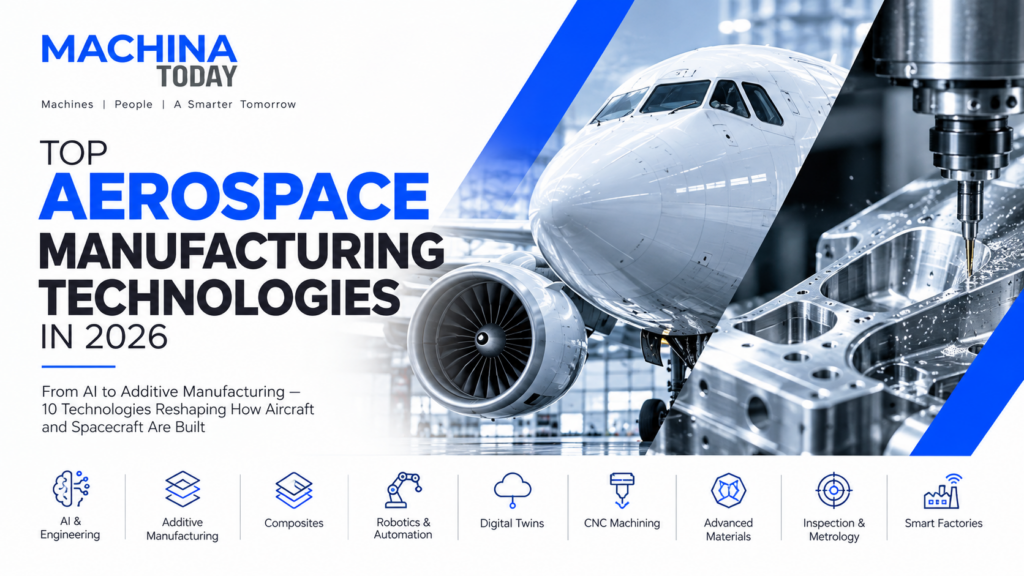
Top Aerospace Manufacturing Technologies in 2026: 10 Technologies Reshaping How Aircraft Are Built
Aerospace manufacturing is entering a new industrial era. From AI-driven engineering and digital twins to…
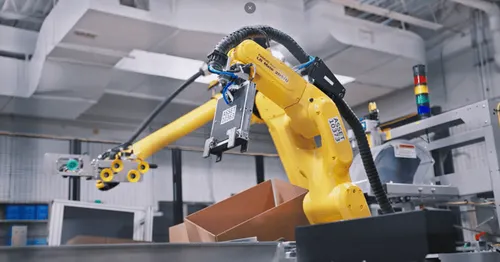
FANUC at IMTS 2026: Physical AI, Robotics and CNC Innovation Move Into the Factory
FANUC America is positioning IMTS 2026 as a showcase for the next stage of industrial…
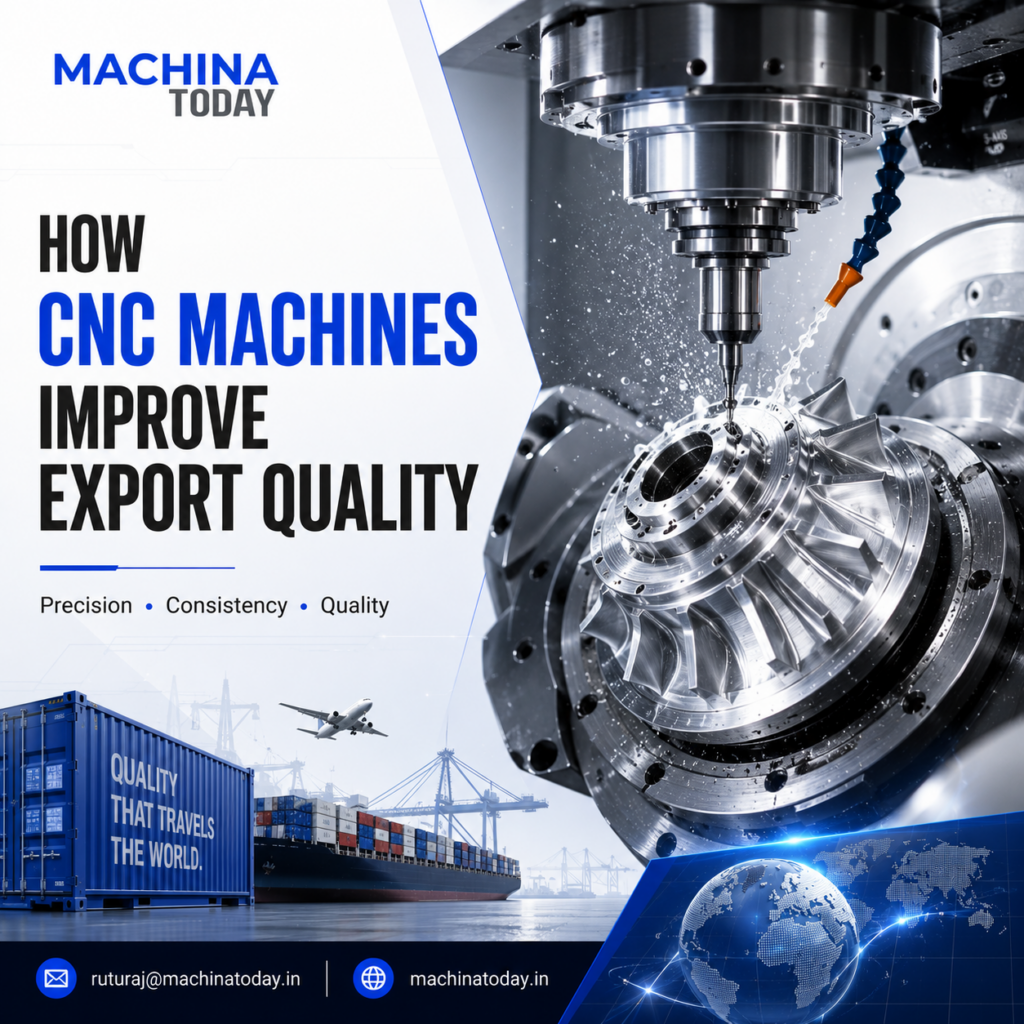
How CNC Machines Improve Export Quality: From Precision Machining to Process Control
Global manufacturing is increasingly built around supply chains where components may be designed in one…

ANCA at IMTS 2026: New Leadership, Precision Tooling and the Next Manufacturing Shift
A new CEO. A legendary founder. One booth. And a manufacturing industry moving faster than…
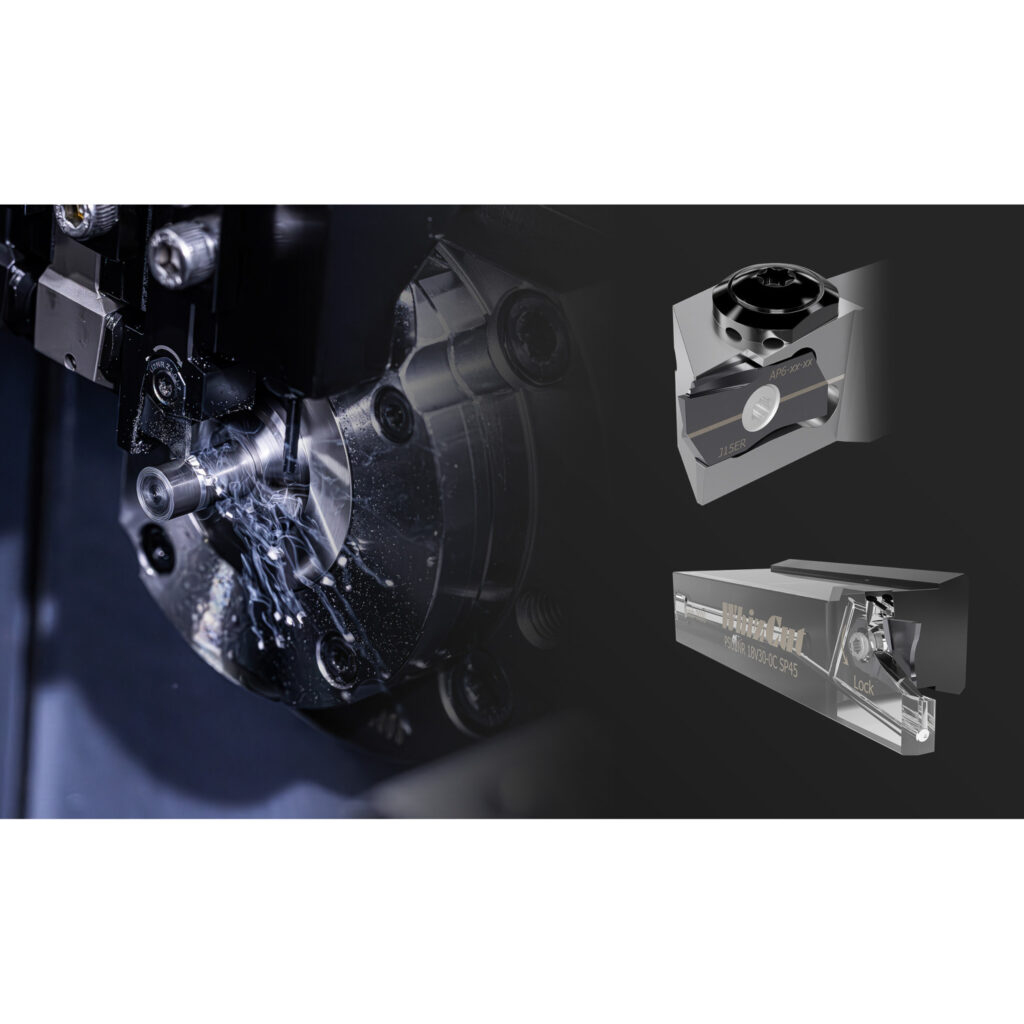
WhizCut at AMB Stuttgart 2026: Smarter Cutting Tools Target Material Waste, Productivity and Sustainable Machining
WhizCut is set to present its precision-tooling portfolio at AMB Stuttgart 2026, with products focused…