Smart Manufacturing is No Longer Optional – It’s the New Standard
In India’s rapidly evolving industrial landscape, one of the most transformative trends reshaping manufacturing is the Industrial Internet of Things (IIoT). As global markets demand smarter, faster, and more efficient production, Indian factories are turning to IIoT to stay competitive, cut costs, and unlock new levels of productivity.
What is IIoT?
The Industrial Internet of Things (IIoT) is the use of smart sensors, devices, and internet-connected machinery to collect, share, and analyze data in real-time across manufacturing environments. This digital transformation helps factories automate processes, predict failures, improve energy efficiency, and enable remote monitoring.
Why IIoT Matters in India
India is undergoing a massive manufacturing shift. Government initiatives like “Make in India”, PLI schemes, and the push towards Industry 4.0 adoption are propelling industrial modernization. IIoT is central to this revolution for several reasons:
- Cost-Efficiency: IIoT helps reduce downtime, optimize energy use, and minimize human error.
- Quality Control: Real-time monitoring ensures product consistency and defect detection.
- Predictive Maintenance: Machines alert operators before breakdowns occur, saving time and money.
- Remote Monitoring: Plant heads and engineers can supervise factory operations from any location.
Key Ways IIoT is Changing Indian Factories
1. Real-Time Data and Smart Decision-Making
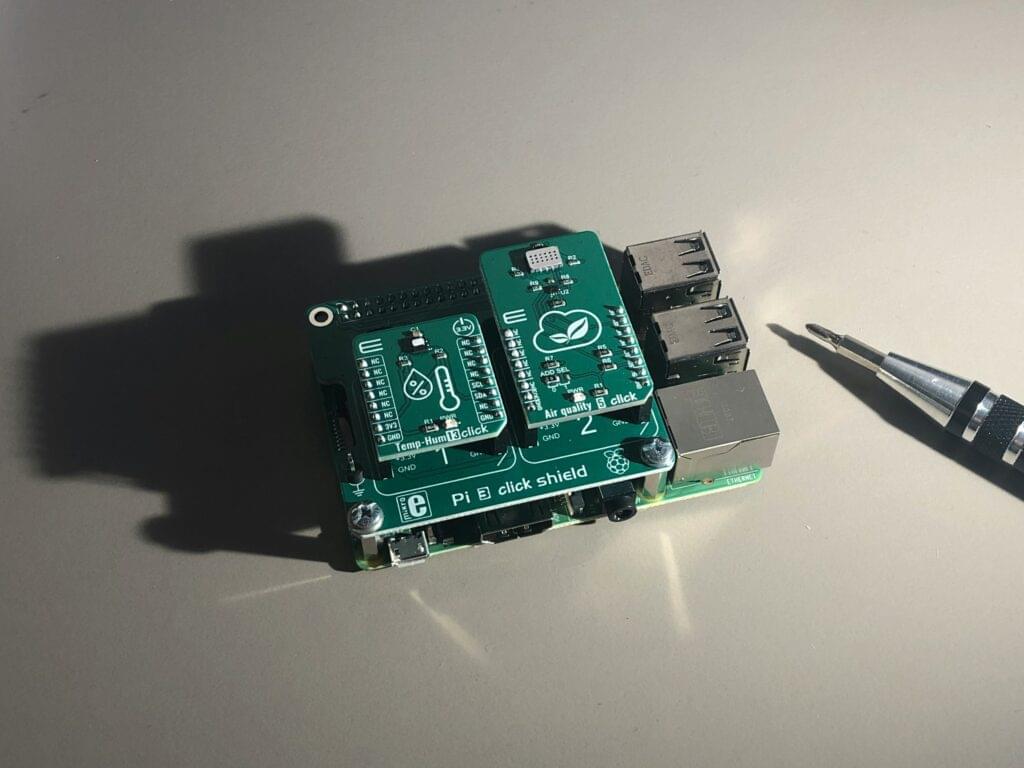
Sensors installed in CNC machines, conveyors, motors, and compressors continuously track metrics like temperature, pressure, vibration, and load. Cloud-based platforms analyze this data and generate actionable insights. This has enabled Indian companies to move from reactive to proactive decision-making.
2. Predictive Maintenance in Action
Traditionally, Indian factories followed fixed schedules for maintenance. With IIoT, equipment health is tracked in real-time. For example, automotive parts manufacturers in Pune now use vibration sensors to predict when bearings are likely to fail—reducing unexpected breakdowns by over 40%.
3. Energy Optimization
Electricity and energy costs are a major burden for Indian manufacturers. IIoT-enabled energy meters provide granular visibility into usage, allowing companies to reduce wastage, set limits, and shift loads to off-peak hours. Industries in Gujarat and Tamil Nadu have already reported energy savings of 10-15% after IIoT adoption.
4. Workforce Empowerment
Indian shop-floor workers and supervisors are now using mobile apps to track performance dashboards, receive alerts, and make real-time inputs. This creates a data-driven workforce and opens new opportunities for skilling in digital tools.
5. Remote Factory Management
Especially during COVID-19 and beyond, IIoT has enabled plant managers to monitor operations remotely. Textile factories in Surat and engineering units in Coimbatore now manage machine performance, productivity, and inventory from their smartphones.
Success Stories from India
- Bharat Forge has implemented IIoT to monitor forging operations and tool wear, reducing tooling cost and downtime.
- Tata Steel uses a network of sensors and AI-powered platforms to optimize operations and predictive maintenance across its Jamshedpur plant.
- Mahindra & Mahindra has digitized its entire tractor manufacturing process using IIoT, improving production efficiency by over 20%.
Challenges in IIoT Adoption
While IIoT offers massive potential, Indian industries face challenges such as:
- High initial setup costs
- Lack of skilled technicians
- Data security concerns
- Integration with legacy systems
However, with growing awareness, falling sensor prices, and the rise of local solution providers, adoption is steadily increasing.
The Road Ahead
IIoT is not just a trend—it is the future of Indian manufacturing. As more SMEs and large enterprises recognize the ROI of smart factories, IIoT will become the standard. Forward-thinking manufacturers who invest early in digital transformation will be better positioned to lead the global value chain.
India’s factory floors are no longer just about machines and manpower—they’re becoming data-driven ecosystems. The integration of IIoT is empowering factories to operate smarter, safer, and more sustainably. Whether you’re a factory owner, engineer, or policymaker, embracing IIoT could be your most strategic move in this decade of manufacturing excellence.

IMTS 2026 Opens in Chicago: AI, CNC, Robotics and Automation Take Center Stage
IMTS 2026 is officially underway in Chicago, bringing the global manufacturing technology industry together at…
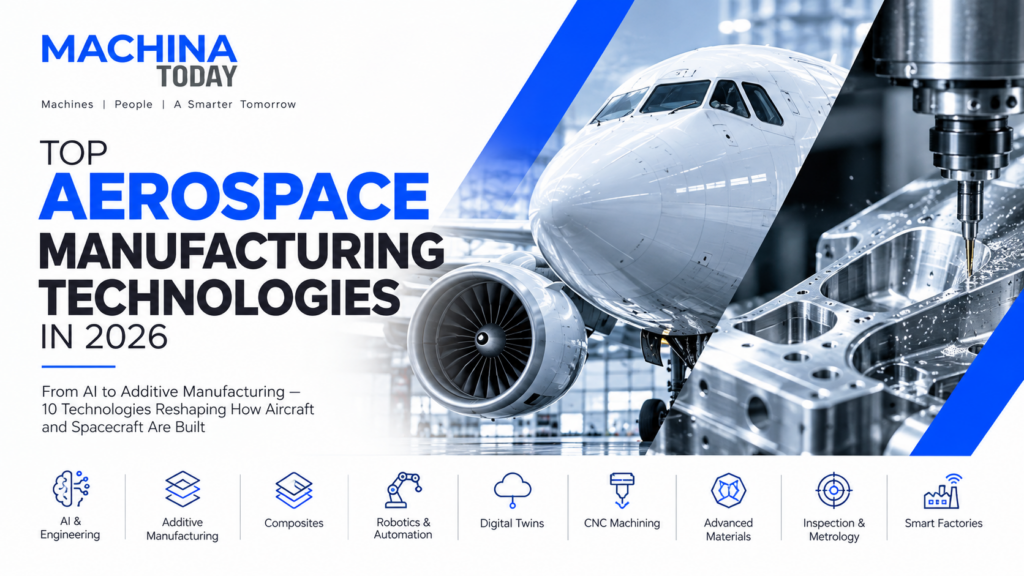
Top Aerospace Manufacturing Technologies in 2026: 10 Technologies Reshaping How Aircraft Are Built
Aerospace manufacturing is entering a new industrial era. From AI-driven engineering and digital twins to…
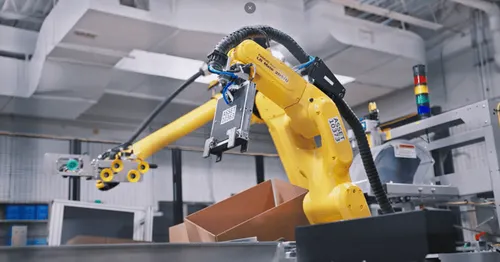
FANUC at IMTS 2026: Physical AI, Robotics and CNC Innovation Move Into the Factory
FANUC America is positioning IMTS 2026 as a showcase for the next stage of industrial…
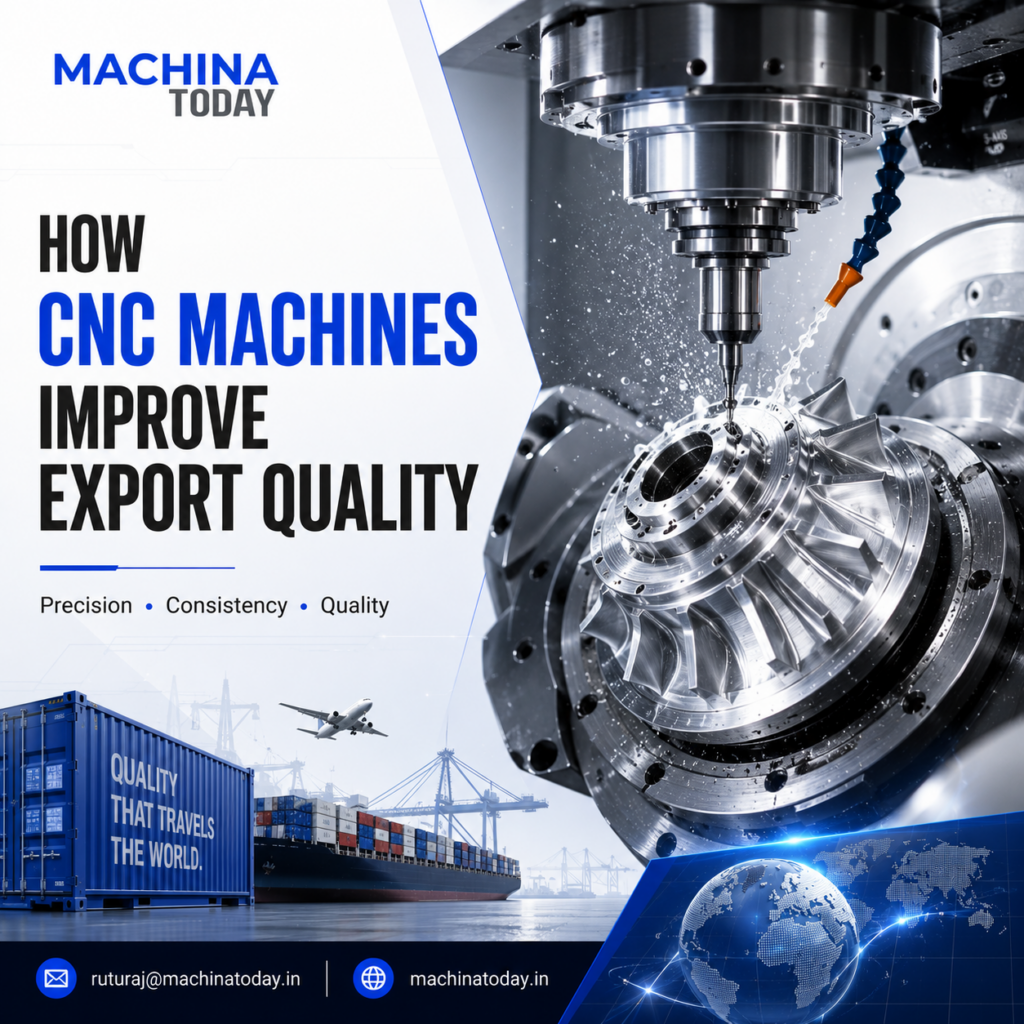
How CNC Machines Improve Export Quality: From Precision Machining to Process Control
Global manufacturing is increasingly built around supply chains where components may be designed in one…
ANCA at IMTS 2026: New Leadership, Precision Tooling and the Next Manufacturing Shift
A new CEO. A legendary founder. One booth. And a manufacturing industry moving faster than…
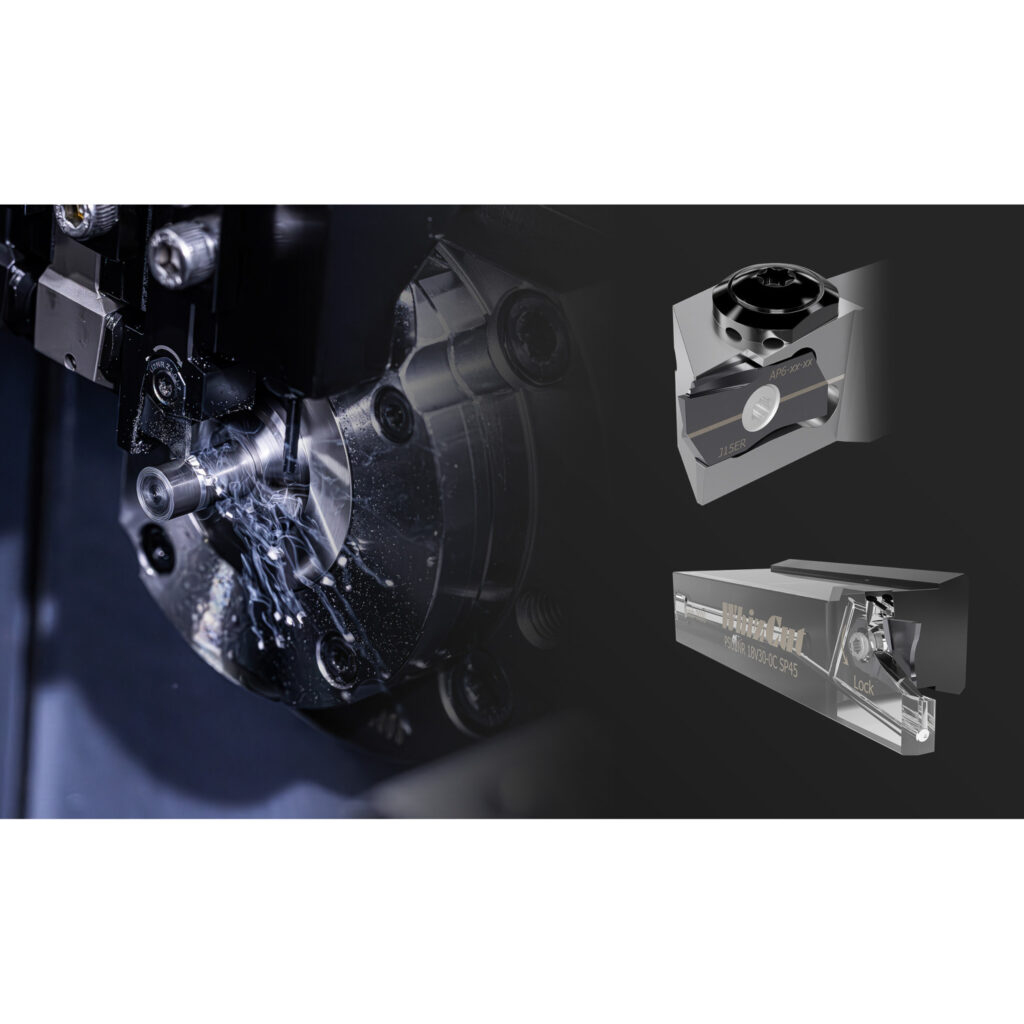
WhizCut at AMB Stuttgart 2026: Smarter Cutting Tools Target Material Waste, Productivity and Sustainable Machining
WhizCut is set to present its precision-tooling portfolio at AMB Stuttgart 2026, with products focused…