How Digital Twins Are Transforming Factories: Real Machines, Real Results
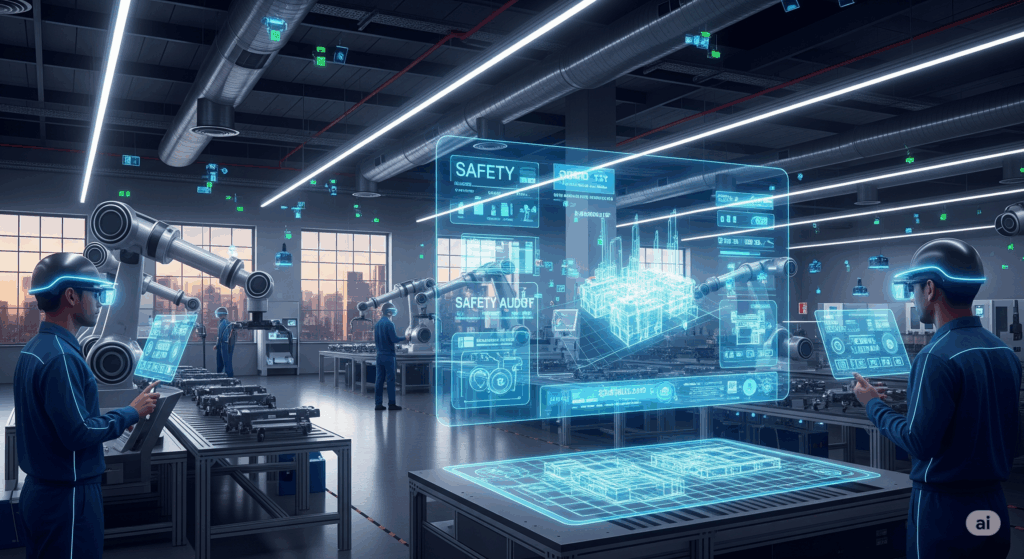
The manufacturing industry is rapidly moving toward a future where every machine, production line, and factory has a virtual counterpart. This technology, known as a Digital Twin, is changing how manufacturers operate, maintain, and optimize their facilities.
From CNC machining centers and industrial robots to automated assembly lines, digital twins are helping manufacturers reduce downtime, improve productivity, and make smarter decisions.
Today, some of the world’s most advanced factories use digital twins to monitor equipment performance in real time, simulate production scenarios, and predict failures before they happen.
What Is a Digital Twin?
A digital twin is a virtual model of a physical asset, machine, process, or factory.
Using sensors, Industrial IoT, cloud computing, and AI, the digital twin receives real-time operational data from physical equipment.
This allows manufacturers to:
- Monitor machine performance remotely
- Predict maintenance requirements
- Improve production efficiency
- Optimize energy consumption
- Reduce operational risks
- Simulate factory changes before implementation
Think of it as a virtual copy of your machine running alongside the actual machine.
Real Machines Using Digital Twin Technology
1. DMG MORI DMU 125 P duoBLOCK

Modern 5-axis machining centers generate enormous amounts of operational data.
A digital twin can monitor:
- Spindle performance
- Axis movement accuracy
- Tool wear
- Vibration levels
- Energy consumption
Manufacturers can simulate machining operations before production begins, reducing costly errors and improving cycle times.
Mazak INTEGREX i-500
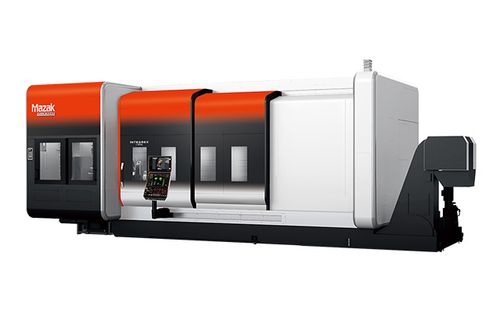
The INTEGREX series combines turning and milling operations in one machine.
With digital twin integration, manufacturers can:
- Simulate complex machining cycles
- Optimize tool paths
- Predict maintenance schedules
- Reduce setup time
This leads to higher machine utilization and increased productivity.
FANUC M-2000iA
Industrial robots are increasingly connected to digital twin systems.
Manufacturers can monitor:
- Robot movement
- Motor performance
- Cycle efficiency
- Maintenance requirements
Engineers can test new robotic programs in a virtual environment before deploying them to the shop floor.
How Digital Twins Improve CNC Machining
Predictive Maintenance
Traditionally, maintenance occurs after a machine fails or on a fixed schedule.
Digital twins change this approach.
By analyzing data from:
- Spindles
- Servo motors
- Ball screws
- Tool changers
- Coolant systems
the system can predict failures before they occur.
Example
A CNC spindle showing unusual vibration can trigger an alert days or weeks before failure.
This allows maintenance teams to act before production is affected.
Digital Twins in Smart Factories
A single machine digital twin is powerful.
A factory-wide digital twin is transformative.
Imagine connecting:
- CNC Machines
- Robots
- AGVs
- Inspection Systems
- Assembly Lines
- Warehouses
into one intelligent virtual environment.
Managers gain complete visibility into operations and can instantly identify bottlenecks.
Digital Twins and AI
Artificial Intelligence takes digital twins to the next level.
AI can analyze millions of data points and identify patterns humans might miss.
Applications include:
Production Optimization
AI recommends:
- Better scheduling
- Improved machine utilization
- Reduced cycle times
Quality Prediction
The system can identify potential quality issues before defects occur.
Energy Management
Digital twins help manufacturers reduce electricity consumption and carbon emissions.
Industries Leading Adoption
Automotive
Companies use digital twins to optimize production lines and robotic systems.
Aerospace
Manufacturers simulate machining operations for complex titanium and aerospace components.
Medical Devices
Precision manufacturing requires continuous monitoring and quality control.
Electronics
Digital twins improve yield and reduce production defects.
Heavy Engineering
Large industrial machinery manufacturers use digital twins to monitor assets worldwide.
Benefits Manufacturers Are Seeing
| Benefit | Impact |
|---|---|
| Reduced Downtime | Up to 30% lower |
| Maintenance Costs | Significantly reduced |
| Productivity | Increased machine utilization |
| Quality | Fewer defects |
| Energy Consumption | Lower operating costs |
| Decision Making | Real-time insights |
Challenges to Consider
Successful digital twin implementation requires:
Data Collection Infrastructure
Machines need sensors and connectivity.
Cybersecurity
Connected factories must protect operational data.
Employee Training
Teams need skills in:
- Automation
- Data Analytics
- AI
- Industrial Software
Investment
Initial costs may include:
- Sensors
- Cloud platforms
- Software
- Integration services
However, most manufacturers view digital twins as a long-term investment that delivers measurable ROI.
The Future of Digital Twins
Future factories will use digital twins for:
- Autonomous production optimization
- Self-healing manufacturing systems
- AI-driven quality control
- Real-time supply chain management
- Fully connected smart factories
As Industry 4.0 adoption accelerates, digital twins are expected to become a standard feature in manufacturing operations worldwide.
Conclusion
Digital twins are transforming factories by connecting real machines with virtual intelligence.
Whether it is a 5-axis CNC machining center, industrial robot, laser cutting machine, or complete production line, digital twin technology enables manufacturers to operate more efficiently, reduce costs, and stay competitive in a rapidly changing global market.
The future of manufacturing belongs to smart factories—and digital twins are at the heart of that transformation.
Advertise with Machina Today
Reach manufacturing leaders, factory owners, engineers, automation specialists, and industrial decision-makers across the globe.
Advertise your company, machines, products, services, exhibitions, or technology solutions with Machina Today.
Machina Today – Global Manufacturing Media Platform

IMTS 2026 Opens in Chicago: AI, CNC, Robotics and Automation Take Center Stage
IMTS 2026 is officially underway in Chicago, bringing the global manufacturing technology industry together at…
Top Aerospace Manufacturing Technologies in 2026: 10 Technologies Reshaping How Aircraft Are Built
Aerospace manufacturing is entering a new industrial era. From AI-driven engineering and digital twins to…
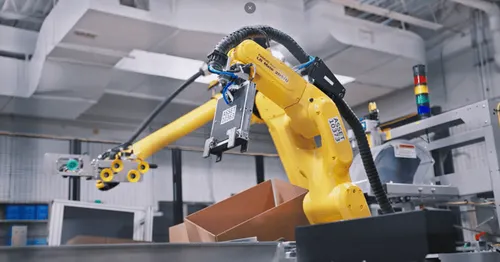
FANUC at IMTS 2026: Physical AI, Robotics and CNC Innovation Move Into the Factory
FANUC America is positioning IMTS 2026 as a showcase for the next stage of industrial…
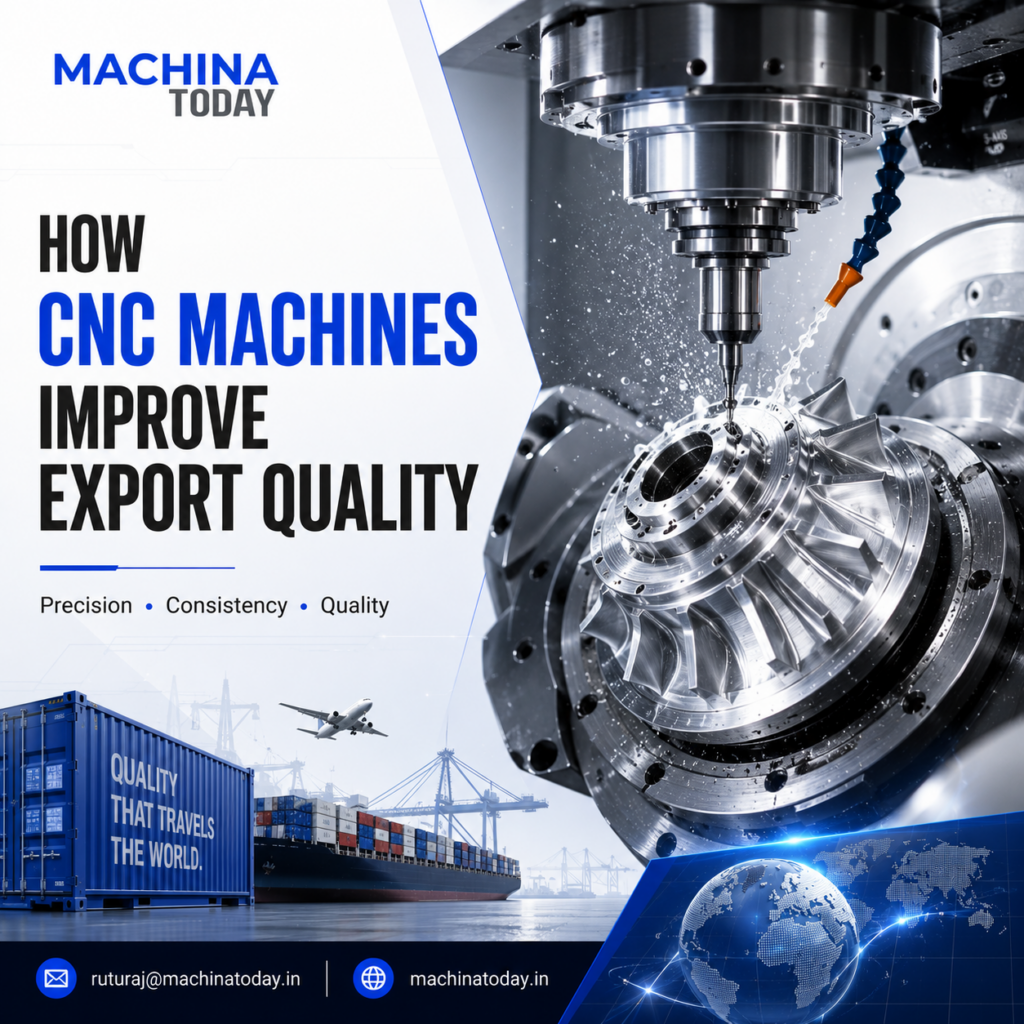
How CNC Machines Improve Export Quality: From Precision Machining to Process Control
Global manufacturing is increasingly built around supply chains where components may be designed in one…

ANCA at IMTS 2026: New Leadership, Precision Tooling and the Next Manufacturing Shift
A new CEO. A legendary founder. One booth. And a manufacturing industry moving faster than…
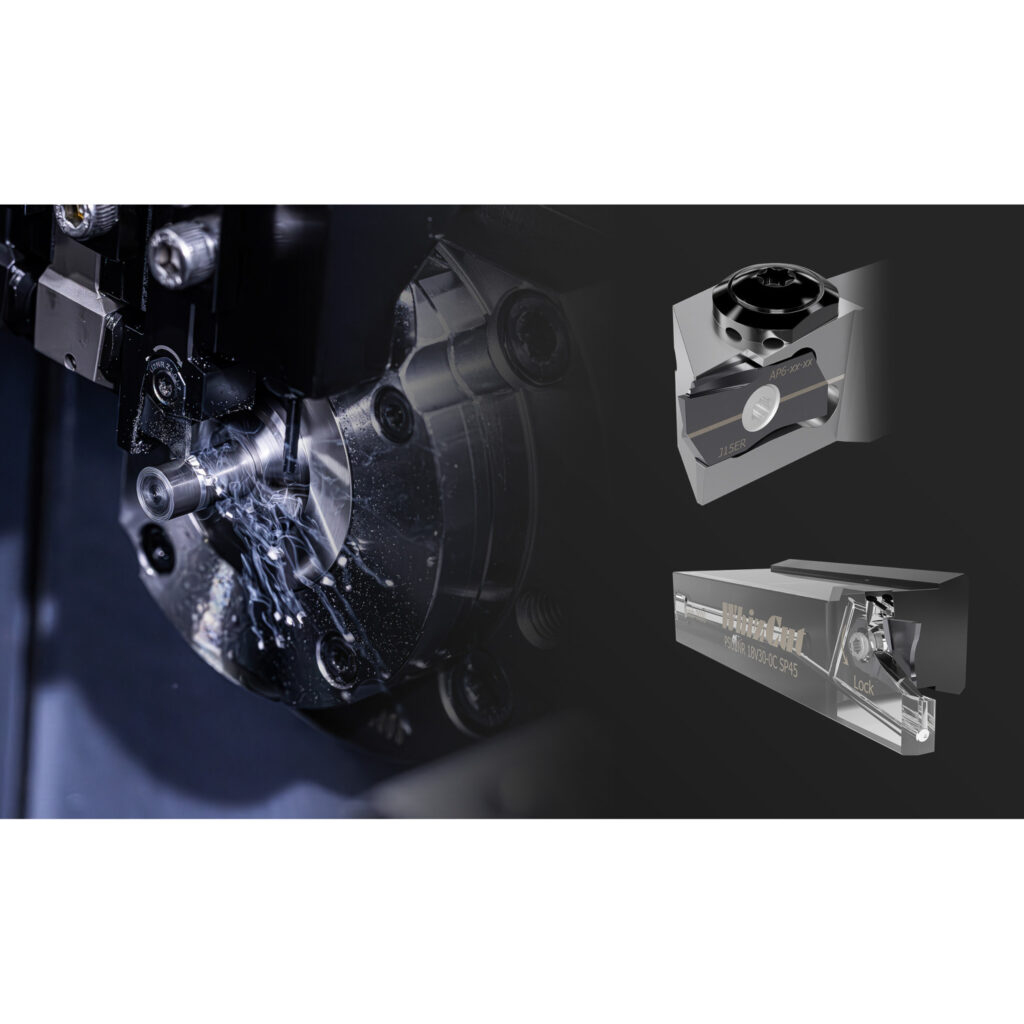
WhizCut at AMB Stuttgart 2026: Smarter Cutting Tools Target Material Waste, Productivity and Sustainable Machining
WhizCut is set to present its precision-tooling portfolio at AMB Stuttgart 2026, with products focused…