India’s manufacturing backbone is powered by 63 million MSMEs (Micro, Small, and Medium Enterprises), which contribute nearly 30% to GDP and employ over 110 million people. In today’s competitive global market, these businesses face a critical challenge: how to stay efficient, productive, and globally relevant.
Recognizing this, the Indian government has launched several automation and smart factory support schemes in 2025 — from subsidies on automation equipment to training programs for digital adoption. For MSMEs, these schemes are not just policy headlines; they are lifelines for scaling and competing internationally.
Why MSMEs Need Automation Now
- Rising labor costs and skill shortages.
- Pressure to meet international quality standards.
- Supply chain disruptions requiring faster adaptability.
- Increased competition from China, Vietnam, and Germany.
Automation offers:
- Reduced production errors.
- Better energy efficiency.
- Higher throughput and global market access.
Key Government Schemes in 2025
1. Technology Upgradation Fund for MSMEs
- Provides up to 40% subsidy on purchase of automation and smart manufacturing equipment.
- Encourages adoption of CNC, robotics, and IoT monitoring tools.
- Special focus on textile, auto-components, and electronics sectors.
2. Digital MSME Initiative 2.0
- Offers cloud-based ERP and IoT platforms at subsidized rates.
- Helps small businesses track production, inventory, and quality in real-time.
- Training programs for factory managers and shop floor engineers.
3. Skill Development + Automation Training Grants
- In partnership with Skill India & NSDC.
- Provides certified training in robotics, AI, and PLC programming for factory workers.
- Ensures technology adoption doesn’t leave the workforce behind.
4. Green Factory Incentive Scheme
- Subsidies for energy-efficient machines and renewable-powered automation systems.
- 20–30% rebates on machinery that reduces carbon emissions.
- MSMEs adopting green automation get priority in export clearance.
Case Studies: MSMEs Benefiting from Automation Schemes
- Rajkot, Gujarat – CNC Component Maker
Received a ₹20 lakh subsidy to automate milling and cutting processes. Result:
- 40% increase in productivity.
- Export orders doubled within a year.
- Tirupur, Tamil Nadu – Textile MSME
Adopted automated sewing and inspection systems with government support. Result:
- 25% reduction in defects.
- Better compliance with European export norms.
- Pune, Maharashtra – Auto-parts Supplier
Leveraged ERP under Digital MSME 2.0. Result:
- End-to-end production visibility.
- On-time delivery rate improved from 70% → 95%.
Challenges in Adoption
- Awareness gap: Many MSMEs don’t know such schemes exist.
- Financing hurdles: Even with subsidies, upfront costs remain high.
- Workforce resistance: Fear of job loss still lingers.
- Skill shortages: Need for trained operators and maintenance engineers.
Future Outlook
With Industry 5.0 emphasizing human + machine collaboration, the government’s schemes aim to make India’s MSMEs globally competitive. Experts predict that by 2030, 40% of Indian MSMEs will have partially automated operations, boosting both exports and domestic supply chains.

IMTS 2026 Opens in Chicago: AI, CNC, Robotics and Automation Take Center Stage
IMTS 2026 is officially underway in Chicago, bringing the global manufacturing technology industry together at…
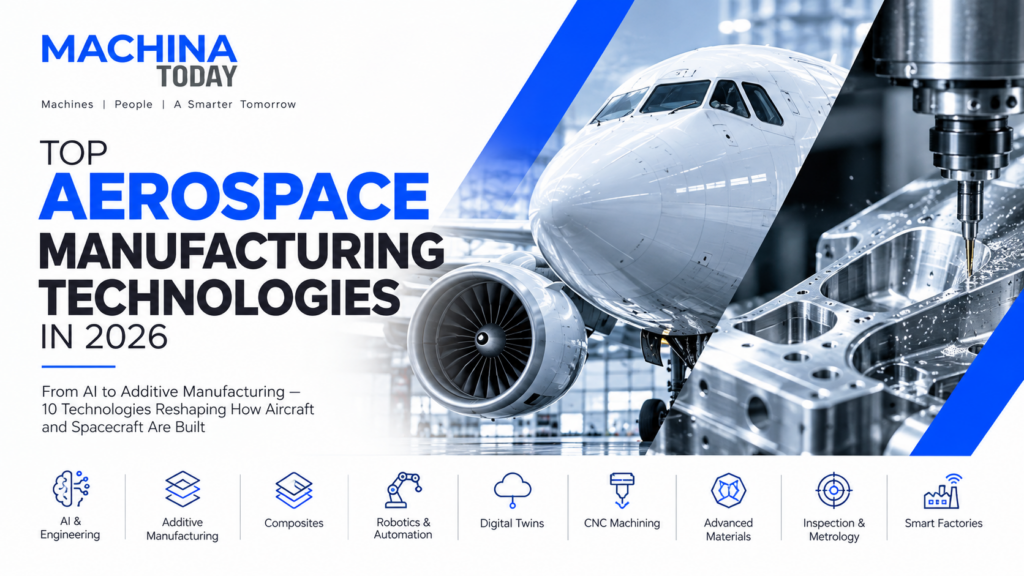
Top Aerospace Manufacturing Technologies in 2026: 10 Technologies Reshaping How Aircraft Are Built
Aerospace manufacturing is entering a new industrial era. From AI-driven engineering and digital twins to…
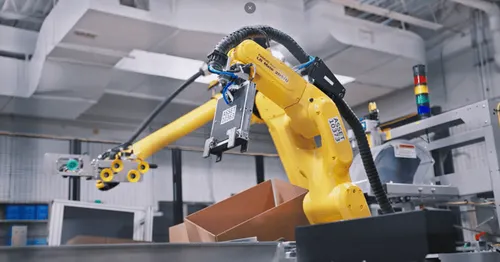
FANUC at IMTS 2026: Physical AI, Robotics and CNC Innovation Move Into the Factory
FANUC America is positioning IMTS 2026 as a showcase for the next stage of industrial…
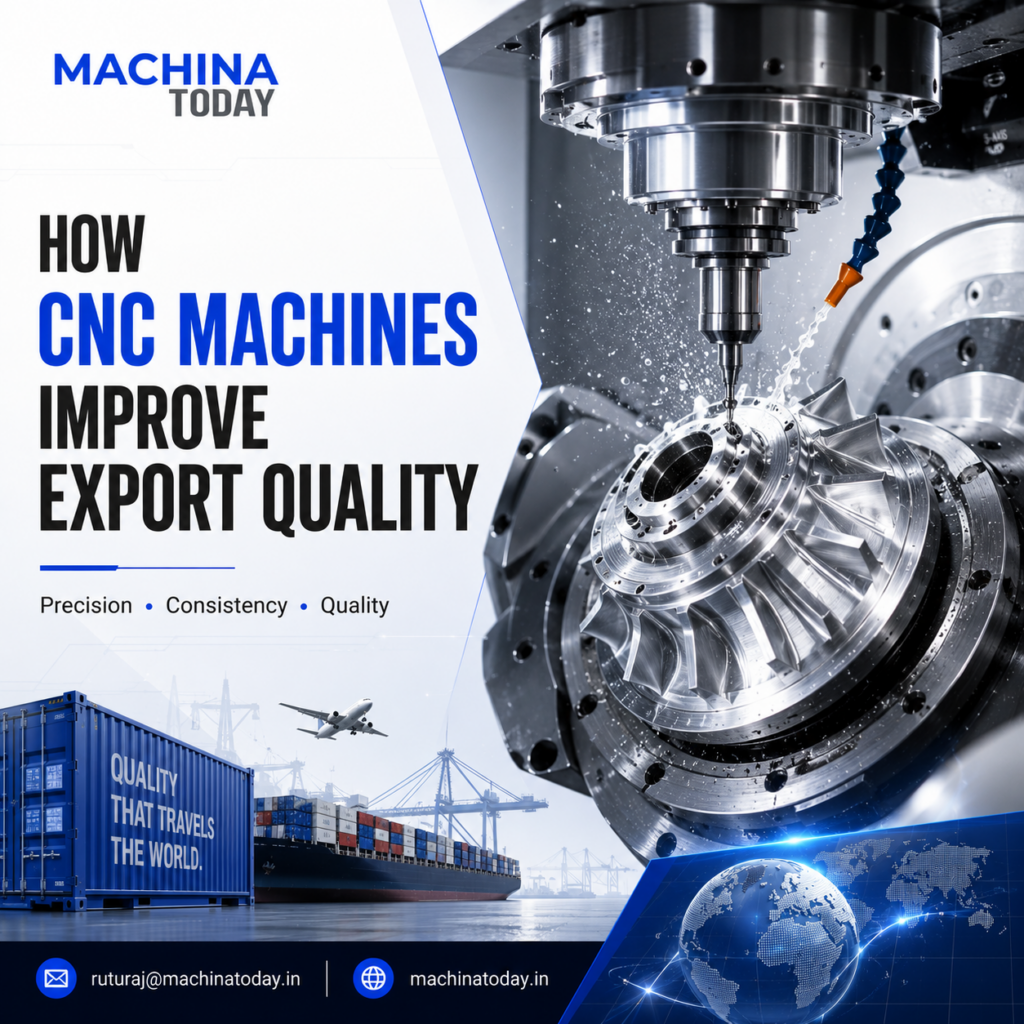
How CNC Machines Improve Export Quality: From Precision Machining to Process Control
Global manufacturing is increasingly built around supply chains where components may be designed in one…

ANCA at IMTS 2026: New Leadership, Precision Tooling and the Next Manufacturing Shift
A new CEO. A legendary founder. One booth. And a manufacturing industry moving faster than…
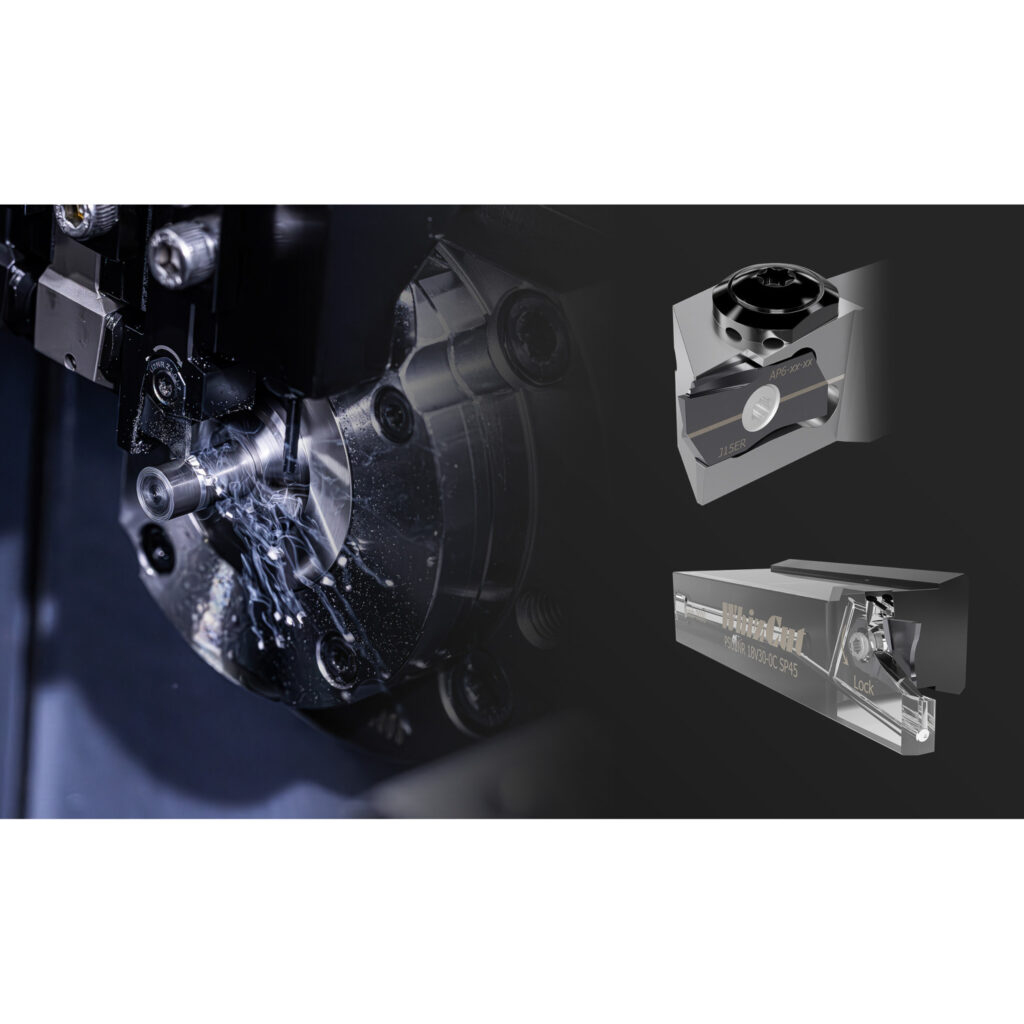
WhizCut at AMB Stuttgart 2026: Smarter Cutting Tools Target Material Waste, Productivity and Sustainable Machining
WhizCut is set to present its precision-tooling portfolio at AMB Stuttgart 2026, with products focused…