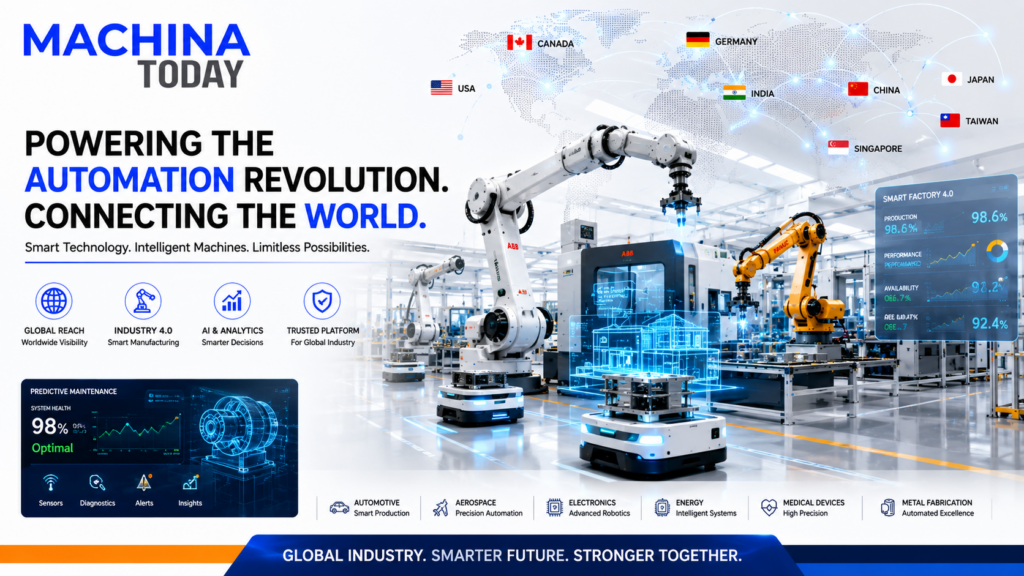
Manufacturing is undergoing one of the biggest transformations in history.
Factories that once relied heavily on manual labor are now powered by intelligent robots, AI-driven analytics, machine vision systems, digital twins, predictive maintenance software, and autonomous production lines.
The companies leading this revolution are not simply selling machines—they are building the future of industrial production.
From automotive plants in Germany to semiconductor factories in Taiwan, aerospace facilities in the United States, electronics manufacturing hubs in Japan, and rapidly growing industrial sectors in India and Singapore, automation is becoming the backbone of global competitiveness.
In this article, we explore the top automation companies changing industry in 2026 and how they are shaping the future of manufacturing.
Why Automation Matters More Than Ever
Global manufacturers face several challenges:
- Skilled labor shortages
- Rising production costs
- Supply chain disruptions
- Increasing quality expectations
- Sustainability requirements
- Demand for faster production
Automation addresses these challenges by improving:
✅ Productivity
✅ Quality Control
✅ Energy Efficiency
✅ Worker Safety
✅ Production Flexibility
✅ Data-Driven Decision Making
According to industry reports, smart factory adoption continues to accelerate as companies seek higher efficiency and resilience.
1. Siemens
Headquarters:
Munich, Germany
Why Siemens Leads
Siemens is one of the most influential industrial technology companies in the world.
Its automation ecosystem combines:
- PLCs
- Industrial software
- Digital twins
- AI-powered analytics
- Smart factory platforms
- Industrial IoT solutions
Key Technologies
- SIMATIC Automation Systems
- Industrial Edge Computing
- Digital Twin Technology
- Siemens Xcelerator Platform
Industries Served
- Automotive
- Aerospace
- Electronics
- Energy
- Medical Manufacturing
Siemens is helping factories become fully connected digital enterprises.
2. ABB
Headquarters:
Zurich, Switzerland
ABB has become a global leader in:
- Robotics
- Motion control
- Electrification
- Industrial automation
Its robots are used extensively in:
- Automotive assembly
- Welding operations
- Packaging
- Electronics manufacturing
Major Strength
ABB’s AI-powered robotic systems improve precision while reducing operational costs.
Their collaborative robots (cobots) are becoming increasingly popular among small and medium-sized manufacturers.
3. FANUC
Headquarters:
Yamanashi, Japan
When discussing industrial robots, FANUC is impossible to ignore.
The company operates millions of robots worldwide.
Popular Solutions
- Industrial Robots
- CNC Controls
- Robomachines
- Predictive Maintenance Systems
Global Impact
FANUC systems are widely used in:
- Aerospace machining
- Automotive manufacturing
- Metalworking
- Injection molding
The company’s reliability and precision have made it a preferred choice for high-volume production facilities.
4. Rockwell Automation
Headquarters:
Milwaukee, USA
Rockwell Automation specializes in smart manufacturing technologies.
Core Solutions
- Factory Automation
- Industrial Control Systems
- Connected Enterprise Platforms
- Manufacturing Analytics
Why Manufacturers Choose Rockwell
The company excels at integrating factory operations with real-time business intelligence.
This allows manufacturers to make faster decisions using live production data.
5. Schneider Electric
Headquarters:
Rueil-Malmaison, France
Schneider Electric combines automation with sustainability.
Key Advantages
- Smart Energy Management
- Industrial Automation
- EcoStruxure Platform
- Digital Manufacturing Solutions
Manufacturers increasingly choose Schneider to reduce energy consumption while increasing production efficiency.
6. Mitsubishi Electric
Headquarters:
Tokyo, Japan
Mitsubishi Electric provides a comprehensive automation portfolio including:
- CNC Systems
- Servo Motors
- PLCs
- Robotics
- Factory Automation Platforms
Their technologies are widely used throughout Asia, Europe, and North America.
7. Yaskawa Electric
Headquarters:
Kitakyushu, Japan
Yaskawa is recognized globally for:
- Motion Control
- Industrial Robots
- Servo Technology
- AI-Powered Automation
The company’s robots play a critical role in automotive and electronics production.
8. Omron
Headquarters:
Kyoto, Japan
Omron focuses heavily on intelligent automation.
Technologies
- Machine Vision
- Sensors
- Industrial Controllers
- Robotics
- Inspection Systems
Their technologies improve production accuracy and reduce defects.
9. Honeywell
Headquarters:
North Carolina, USA
Honeywell is expanding its influence through:
- Industrial AI
- Smart Warehousing
- Automation Software
- Process Automation
Their solutions help manufacturers optimize operations through advanced data analytics.
10. Delta Electronics
Headquarters:
Taipei, Taiwan
Delta Electronics has become one of Asia’s fastest-growing automation providers.
Key Areas
- Industrial Automation
- Smart Manufacturing
- Power Electronics
- Robotics
- Energy Management
Its solutions are especially popular among electronics manufacturers.
Manufacturing is undergoing one of the biggest transformations in history.
Factories that once relied heavily on manual labor are now powered by intelligent robots, AI-driven analytics, machine vision systems, digital twins, predictive maintenance software, and autonomous production lines.
The companies leading this revolution are not simply selling machines—they are building the future of industrial production.
From automotive plants in Germany to semiconductor factories in Taiwan, aerospace facilities in the United States, electronics manufacturing hubs in Japan, and rapidly growing industrial sectors in India and Singapore, automation is becoming the backbone of global competitiveness.
In this article, we explore the top automation companies changing industry in 2026 and how they are shaping the future of manufacturing.
Why Automation Matters More Than Ever
Global manufacturers face several challenges:
- Skilled labor shortages
- Rising production costs
- Supply chain disruptions
- Increasing quality expectations
- Sustainability requirements
- Demand for faster production
Automation addresses these challenges by improving:
✅ Productivity
✅ Quality Control
✅ Energy Efficiency
✅ Worker Safety
✅ Production Flexibility
✅ Data-Driven Decision Making
According to industry reports, smart factory adoption continues to accelerate as companies seek higher efficiency and resilience.
1. Siemens
Headquarters:
Munich, Germany
Why Siemens Leads
Siemens is one of the most influential industrial technology companies in the world.
Its automation ecosystem combines:
- PLCs
- Industrial software
- Digital twins
- AI-powered analytics
- Smart factory platforms
- Industrial IoT solutions
Key Technologies
- SIMATIC Automation Systems
- Industrial Edge Computing
- Digital Twin Technology
- Siemens Xcelerator Platform
Industries Served
- Automotive
- Aerospace
- Electronics
- Energy
- Medical Manufacturing
Siemens is helping factories become fully connected digital enterprises.
2. ABB
Headquarters:
Zurich, Switzerland
ABB has become a global leader in:
- Robotics
- Motion control
- Electrification
- Industrial automation
Its robots are used extensively in:
- Automotive assembly
- Welding operations
- Packaging
- Electronics manufacturing
Major Strength
ABB’s AI-powered robotic systems improve precision while reducing operational costs.
Their collaborative robots (cobots) are becoming increasingly popular among small and medium-sized manufacturers.
3. FANUC
Headquarters:
Yamanashi, Japan
When discussing industrial robots, FANUC is impossible to ignore.
The company operates millions of robots worldwide.
Popular Solutions
- Industrial Robots
- CNC Controls
- Robomachines
- Predictive Maintenance Systems
Global Impact
FANUC systems are widely used in:
- Aerospace machining
- Automotive manufacturing
- Metalworking
- Injection molding
The company’s reliability and precision have made it a preferred choice for high-volume production facilities.
4. Rockwell Automation
Headquarters:
Milwaukee, USA
Rockwell Automation specializes in smart manufacturing technologies.
Core Solutions
- Factory Automation
- Industrial Control Systems
- Connected Enterprise Platforms
- Manufacturing Analytics
Why Manufacturers Choose Rockwell
The company excels at integrating factory operations with real-time business intelligence.
This allows manufacturers to make faster decisions using live production data.
5. Schneider Electric
Headquarters:
Rueil-Malmaison, France
Schneider Electric combines automation with sustainability.
Key Advantages
- Smart Energy Management
- Industrial Automation
- EcoStruxure Platform
- Digital Manufacturing Solutions
Manufacturers increasingly choose Schneider to reduce energy consumption while increasing production efficiency.
6. Mitsubishi Electric
Headquarters:
Tokyo, Japan
Mitsubishi Electric provides a comprehensive automation portfolio including:
- CNC Systems
- Servo Motors
- PLCs
- Robotics
- Factory Automation Platforms
Their technologies are widely used throughout Asia, Europe, and North America.
7. Yaskawa Electric
Headquarters:
Kitakyushu, Japan
Yaskawa is recognized globally for:
- Motion Control
- Industrial Robots
- Servo Technology
- AI-Powered Automation
The company’s robots play a critical role in automotive and electronics production.
8. Omron
Headquarters:
Kyoto, Japan
Omron focuses heavily on intelligent automation.
Technologies
- Machine Vision
- Sensors
- Industrial Controllers
- Robotics
- Inspection Systems
Their technologies improve production accuracy and reduce defects.
9. Honeywell
Headquarters:
North Carolina, USA
Honeywell is expanding its influence through:
- Industrial AI
- Smart Warehousing
- Automation Software
- Process Automation
Their solutions help manufacturers optimize operations through advanced data analytics.
10. Delta Electronics
Headquarters:
Taipei, Taiwan
Delta Electronics has become one of Asia’s fastest-growing automation providers.
Key Areas
- Industrial Automation
- Smart Manufacturing
- Power Electronics
- Robotics
- Energy Management
Its solutions are especially popular among electronics manufacturers.
Which Countries Are Leading Automation Adoption?

Global Leaders
- Germany
- United States
- Japan
- China
- Taiwan
- Singapore
- South Korea
- India
These nations continue investing heavily in advanced manufacturing technologies and automation infrastructure.
What This Means for Manufacturers
The automation race is no longer optional.
Manufacturers that embrace smart technologies can achieve:
- Higher productivity
- Better product quality
- Reduced operational costs
- Faster innovation
- Stronger global competitiveness
The companies highlighted above are not simply automation vendors—they are shaping the future of how products will be designed, manufactured, and delivered worldwide.
As Industry 4.0 evolves toward Industry 5.0, collaboration between humans, robots, and artificial intelligence will define the next generation of manufacturing excellence.
Which company is the global leader in industrial automation?
Companies such as Siemens, ABB, FANUC, and Rockwell Automation are widely considered among the global leaders due to their extensive automation portfolios and worldwide presence.
What is Industry 4.0?
Industry 4.0 refers to the integration of smart technologies such as AI, IoT, robotics, cloud computing, and data analytics into manufacturing processes.
Which country has the most advanced automation industry?
Germany, Japan, the United States, and increasingly China are considered among the most advanced automation markets globally.
Why are manufacturers investing in automation?
Automation helps improve productivity, quality, safety, efficiency, and competitiveness while addressing labor shortages.
What is the future of automation?
The future includes AI-powered factories, autonomous production systems, digital twins, collaborative robots, and fully connected smart manufacturing ecosystems.
Want to stay updated on the latest trends in manufacturing, automation, robotics, and Industry 4.0?
Visit Machina Today for expert insights, global industry news, technology trends, and manufacturing intelligence.
📩 Advertising & Media Partnerships: ruturaj@machinatoday.in
🌐 MachinaToday.in

IMTS 2026 Opens in Chicago: AI, CNC, Robotics and Automation Take Center Stage
IMTS 2026 is officially underway in Chicago, bringing the global manufacturing technology industry together at…
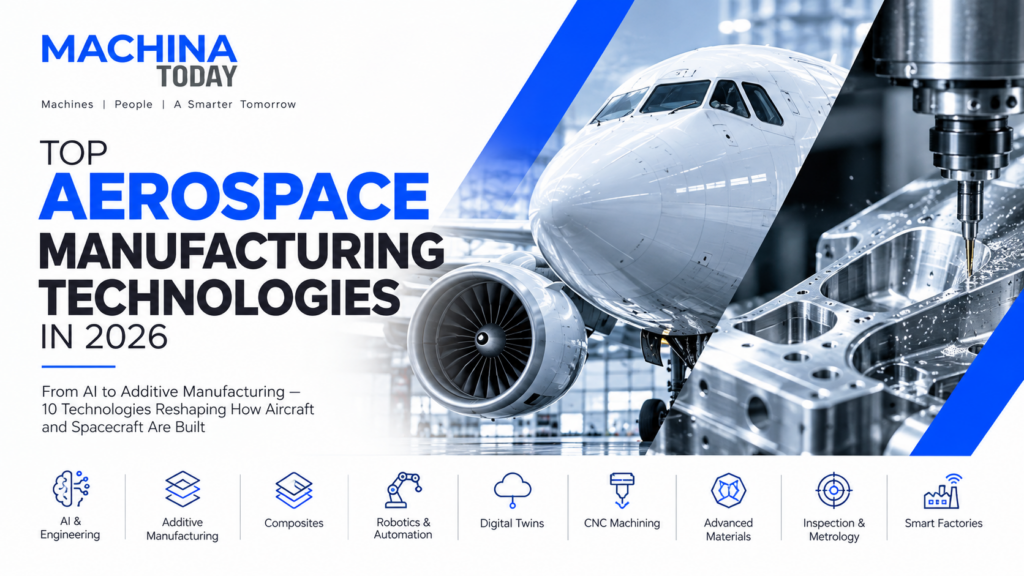
Top Aerospace Manufacturing Technologies in 2026: 10 Technologies Reshaping How Aircraft Are Built
Aerospace manufacturing is entering a new industrial era. From AI-driven engineering and digital twins to…
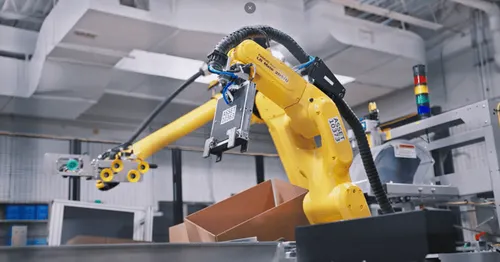
FANUC at IMTS 2026: Physical AI, Robotics and CNC Innovation Move Into the Factory
FANUC America is positioning IMTS 2026 as a showcase for the next stage of industrial…
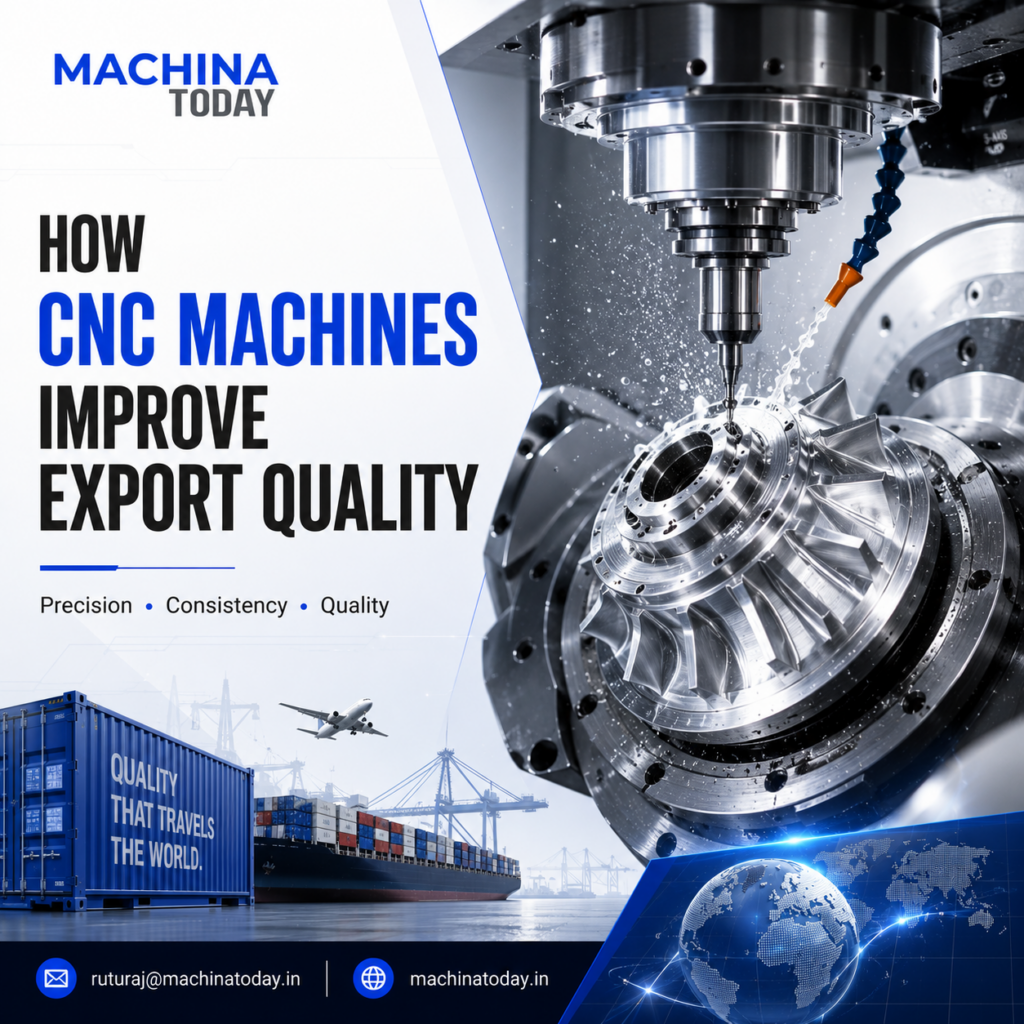
How CNC Machines Improve Export Quality: From Precision Machining to Process Control
Global manufacturing is increasingly built around supply chains where components may be designed in one…

ANCA at IMTS 2026: New Leadership, Precision Tooling and the Next Manufacturing Shift
A new CEO. A legendary founder. One booth. And a manufacturing industry moving faster than…
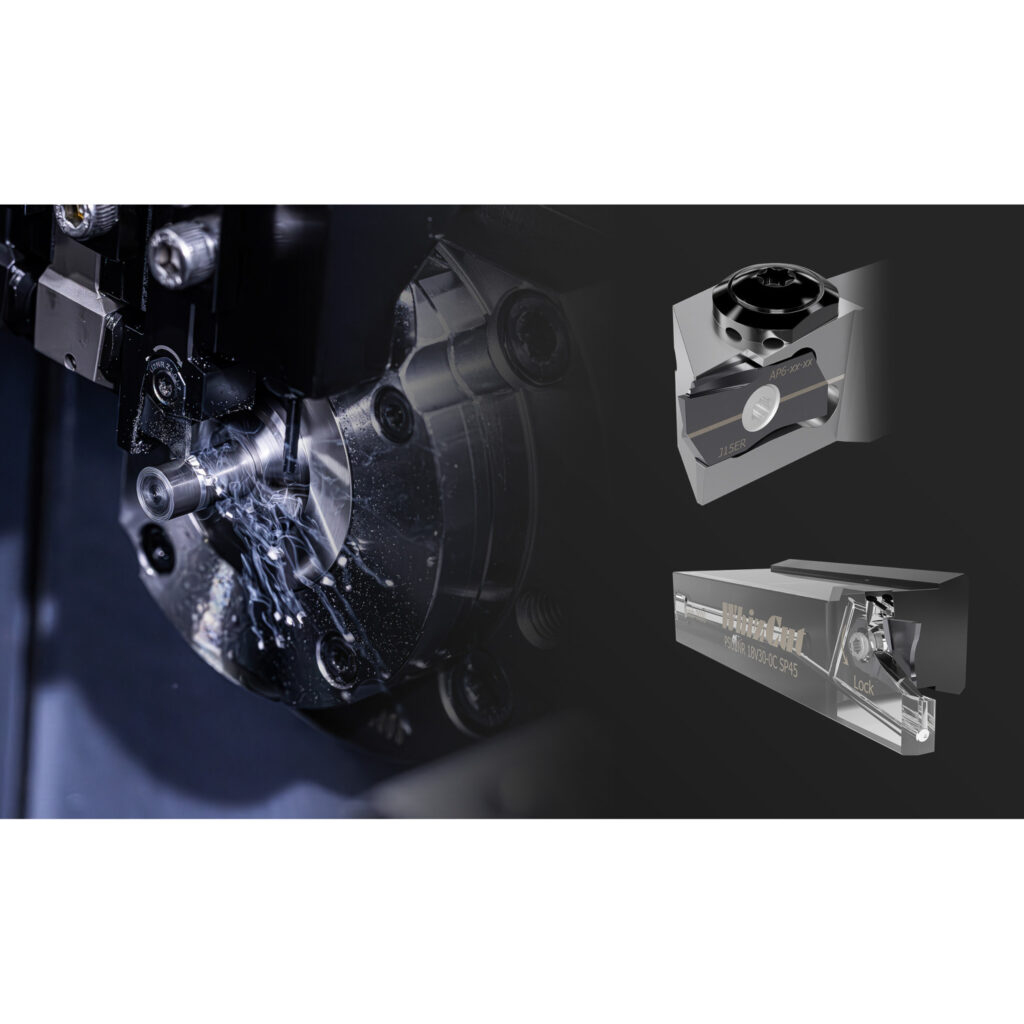
WhizCut at AMB Stuttgart 2026: Smarter Cutting Tools Target Material Waste, Productivity and Sustainable Machining
WhizCut is set to present its precision-tooling portfolio at AMB Stuttgart 2026, with products focused…