For decades, Germany has been recognized as one of the world’s strongest manufacturing nations.
From luxury automobiles and aerospace components to industrial robots and machine tools, German products have earned a reputation for quality, precision, reliability, and innovation.
But what makes Germany different?
Why does Germany continue to dominate advanced manufacturing despite higher labor costs than many competing nations?
And what can manufacturers in India, the United States, Japan, and emerging economies learn from Germany’s success?
The answer lies in a combination of engineering excellence, Industry 4.0 leadership, workforce development, innovation culture, and long-term industrial strategy.
In this article, Machina Today explores the key reasons Germany remains a global manufacturing powerhouse and how its model is shaping the future of global industry.
Germany’s Manufacturing Strength by the Numbers
Germany is the largest manufacturing economy in Europe and among the world’s top industrial exporters.
Key strengths include:
✔ Automotive Manufacturing
✔ CNC Machine Tools
✔ Industrial Automation
✔ Robotics
✔ Aerospace Components
✔ Industrial Software
✔ Precision Engineering
✔ Renewable Energy Equipment
✔ Medical Technology
Manufacturing contributes significantly to Germany’s economy and supports millions of skilled jobs.
Unlike many developed nations that shifted heavily toward services, Germany maintained a strong industrial base while simultaneously investing in advanced technologies.
The Foundation: Engineering Excellence
The phrase “German Engineering” has become a global symbol of quality.
German manufacturers focus on:
- Precision
- Durability
- Reliability
- Long product life
- Continuous improvement
Companies spend years refining products before they reach the market.
This engineering-first culture creates products trusted by customers worldwide.
Whether it’s a CNC machine, industrial robot, or automotive component, German manufacturers are known for delivering consistent performance.
Industry 4.0: Germany Created the Smart Factory Revolution
One of Germany’s biggest contributions to modern manufacturing is the concept of Industry 4.0.
Introduced by German researchers and industry leaders, Industry 4.0 combines:
- Automation
- Artificial Intelligence
- Industrial IoT
- Smart Sensors
- Cloud Computing
- Data Analytics
- Digital Twins
The goal is to create intelligent factories capable of making data-driven decisions in real time.
Today many of the world’s most advanced factories are based on principles first developed in Germany.
How German Smart Factories Operate
Modern German factories use:
Connected Machines
Machines communicate with each other automatically.
Predictive Maintenance
AI predicts equipment failures before breakdowns occur.
Digital Twins
Virtual factory models simulate production scenarios.
Real-Time Analytics
Managers can monitor production instantly.
Autonomous Logistics
Automated guided vehicles transport materials efficiently.
The result:
- Higher productivity
- Lower downtime
- Better quality
- Reduced waste
- Faster decision making
The Power of the Mittelstand
One secret behind Germany’s success is the famous “Mittelstand.”
These are medium-sized companies that specialize in highly specific industrial niches.
Many people have never heard of these firms.
Yet they dominate global markets.
Examples include companies specializing in:
- Precision machine tools
- Industrial sensors
- Factory automation
- Specialized robotics
- Industrial software
Many Mittelstand firms are world leaders in products used throughout manufacturing industries worldwide.
Vocational Training Creates a Highly Skilled Workforce
Germany’s education system is closely connected to industry.
Students can participate in dual vocational programs that combine:
- Classroom learning
- Practical factory experience
This ensures workers graduate with real-world manufacturing skills.
Benefits include:
✔ Reduced skill gaps
✔ Higher productivity
✔ Better machine operation
✔ Strong technical expertise
✔ Faster technology adoption
Many countries struggle with manufacturing talent shortages.
Germany has built a workforce development model admired globally.
Automation is Seen as an Opportunity, Not a Threat
In many countries automation is viewed as job replacement.
Germany takes a different approach.
Manufacturers focus on:
- Human-machine collaboration
- Workforce upskilling
- Productivity enhancement
Rather than replacing workers entirely, automation often helps employees perform higher-value tasks.
This balanced approach accelerates technology adoption while maintaining workforce competitiveness.
Strong Industrial Ecosystems Drive Innovation
Germany benefits from close collaboration between:
- Manufacturers
- Universities
- Research Institutes
- Government Agencies
- Technology Companies
This creates a powerful innovation ecosystem.
Research moves rapidly from laboratories into factories.
New technologies are tested, refined, and commercialized faster than in many competing markets.
Germany’s Leadership in Industrial Automation
Germany is home to many of the world’s most influential automation companies.
Their technologies power factories across:
- Europe
- North America
- Asia
- Middle East
- Africa
Areas of leadership include:
Factory Automation
Advanced PLCs, motion control systems, and industrial software.
Industrial Robotics
Collaborative robots and automated production systems.
Digital Manufacturing
Integrated factory management platforms.
AI-Powered Manufacturing
Machine learning and predictive analytics applications.
This technology leadership helps German manufacturers stay globally competitive.
Sustainability and Green Manufacturing
Germany is also a leader in sustainable industrial development.
Manufacturers increasingly invest in:
- Energy-efficient machinery
- Renewable energy integration
- Carbon reduction initiatives
- Circular manufacturing
- Smart energy management systems
Sustainability is becoming a competitive advantage.
Global customers increasingly prefer suppliers that demonstrate environmental responsibility.
Why Germany Continues to Lead Despite Higher Costs
Many assume manufacturing success depends primarily on low labor costs.
Germany proves otherwise.
Its competitive advantage comes from:
| Factor | Competitive Impact |
|---|---|
| Innovation | Higher-value products |
| Automation | Increased productivity |
| Skilled Workforce | Better quality |
| Engineering Expertise | Global trust |
| Industry 4.0 Adoption | Operational efficiency |
| R&D Investment | Continuous advancement |
Germany competes on value rather than cost.
This strategy allows manufacturers to maintain strong margins while producing world-class products.
What India Can Learn from Germany
India is rapidly becoming a major manufacturing destination.
To accelerate growth, Indian manufacturers can adopt several German best practices:
Invest in Skills
Develop stronger industry-focused technical education.
Embrace Industry 4.0
Digitize factories using sensors, AI, and analytics.
Focus on Quality
Compete through reliability, not just price.
Build Specialized Expertise
Become global leaders in specific manufacturing niches.
Strengthen Industry Collaboration
Encourage partnerships between academia and manufacturers.
These steps could help Indian manufacturers move higher in global value chains.
The Future of German Manufacturing
Germany is now investing heavily in:
- Artificial Intelligence
- Smart Robotics
- Autonomous Manufacturing
- Digital Twins
- Sustainable Production
- Hydrogen Technologies
- Industrial Cybersecurity
The next decade will likely see even greater integration between physical manufacturing and digital intelligence.
Factories will become smarter, more autonomous, and more efficient than ever before.
Final Thoughts
Germany’s manufacturing leadership was not built overnight.
It is the result of decades of investment in engineering, workforce development, automation, innovation, and industrial strategy.
As manufacturing enters a new era defined by AI, smart factories, and Industry 4.0, Germany continues to set global benchmarks for excellence.
For manufacturers worldwide, Germany offers a powerful lesson:
The future belongs not to the cheapest producers—but to the smartest, most innovative, and most technologically advanced manufacturers.
As global competition intensifies, nations and companies that adopt these principles will be best positioned for long-term success.
Frequently Asked Questions (FAQ)
Why is Germany famous for manufacturing?
Germany is known for precision engineering, high-quality products, advanced automation, and strong industrial innovation.
What is Industry 4.0?
Industry 4.0 is the integration of automation, AI, IoT, and digital technologies into manufacturing operations.
Why are German factories so efficient?
German factories leverage automation, skilled workers, predictive maintenance, and data-driven production systems.
What industries is Germany strongest in?
Automotive, machine tools, industrial automation, robotics, aerospace, medical technology, and industrial software.
What can developing countries learn from Germany?
Investing in workforce skills, innovation, quality manufacturing, and Industry 4.0 technologies.
Call to Action
Want to stay updated on global manufacturing leaders, smart factories, robotics, CNC technology, and Industry 4.0 innovations?
Follow Machina Today for expert insights, industrial trends, manufacturing success stories, and future-focused engineering conten
📢 Advertise on Machina Today
✉️ ruturaj@machinatoday.in

IMTS 2026 Opens in Chicago: AI, CNC, Robotics and Automation Take Center Stage
IMTS 2026 is officially underway in Chicago, bringing the global manufacturing technology industry together at…
Top Aerospace Manufacturing Technologies in 2026: 10 Technologies Reshaping How Aircraft Are Built
Aerospace manufacturing is entering a new industrial era. From AI-driven engineering and digital twins to…
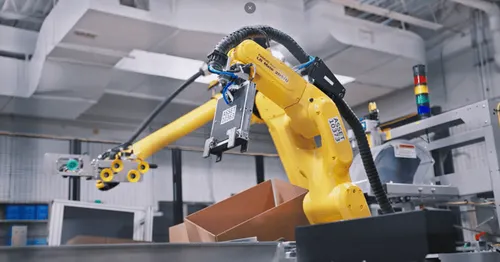
FANUC at IMTS 2026: Physical AI, Robotics and CNC Innovation Move Into the Factory
FANUC America is positioning IMTS 2026 as a showcase for the next stage of industrial…
How CNC Machines Improve Export Quality: From Precision Machining to Process Control
Global manufacturing is increasingly built around supply chains where components may be designed in one…

ANCA at IMTS 2026: New Leadership, Precision Tooling and the Next Manufacturing Shift
A new CEO. A legendary founder. One booth. And a manufacturing industry moving faster than…
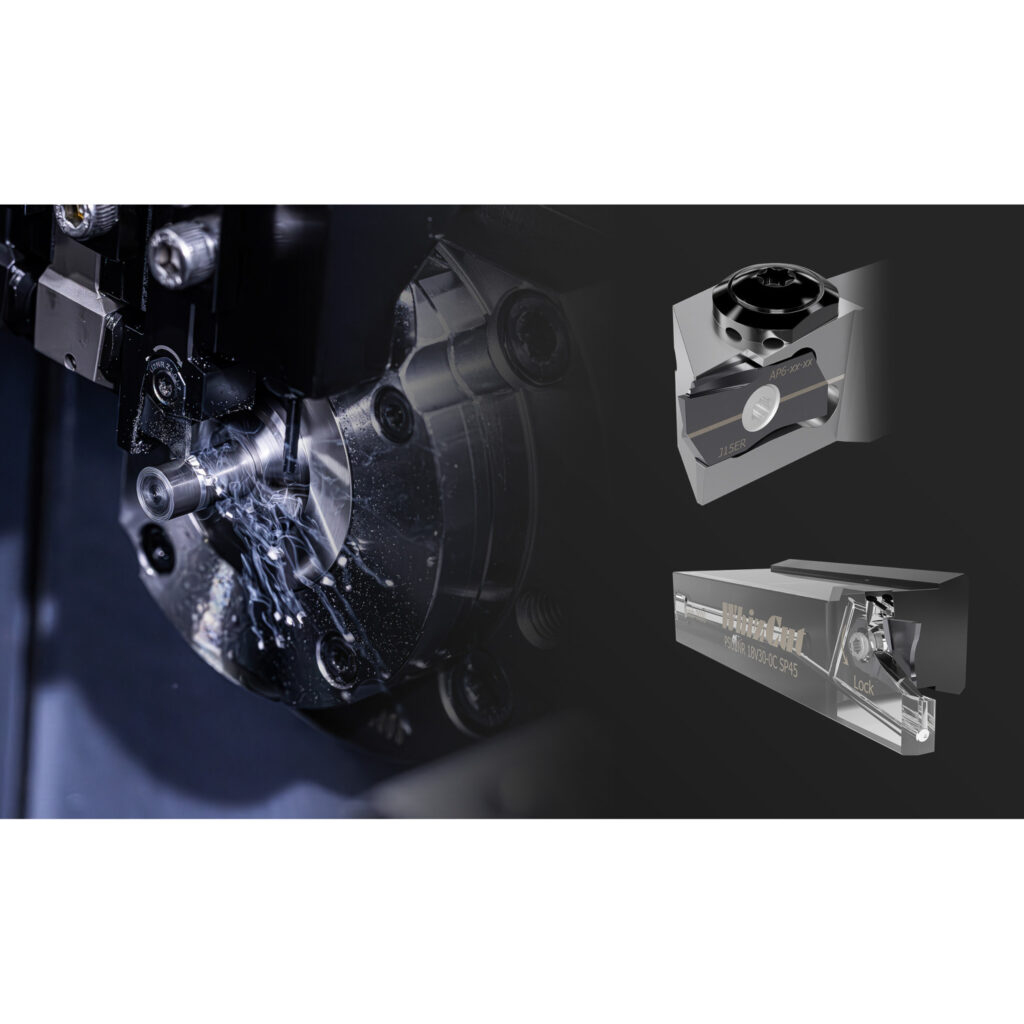
WhizCut at AMB Stuttgart 2026: Smarter Cutting Tools Target Material Waste, Productivity and Sustainable Machining
WhizCut is set to present its precision-tooling portfolio at AMB Stuttgart 2026, with products focused…