Every machine tells a story — if you know how to listen.
That’s exactly what the Industrial Internet of Things (IIoT) does. It connects machines, sensors, and people through the internet, creating a network of smart, data-driven factories.
From predictive maintenance to real-time monitoring, IIoT is the backbone of Industry 4.0, enabling unprecedented levels of productivity, quality, and flexibility.
What Is Industrial IoT (IIoT)?
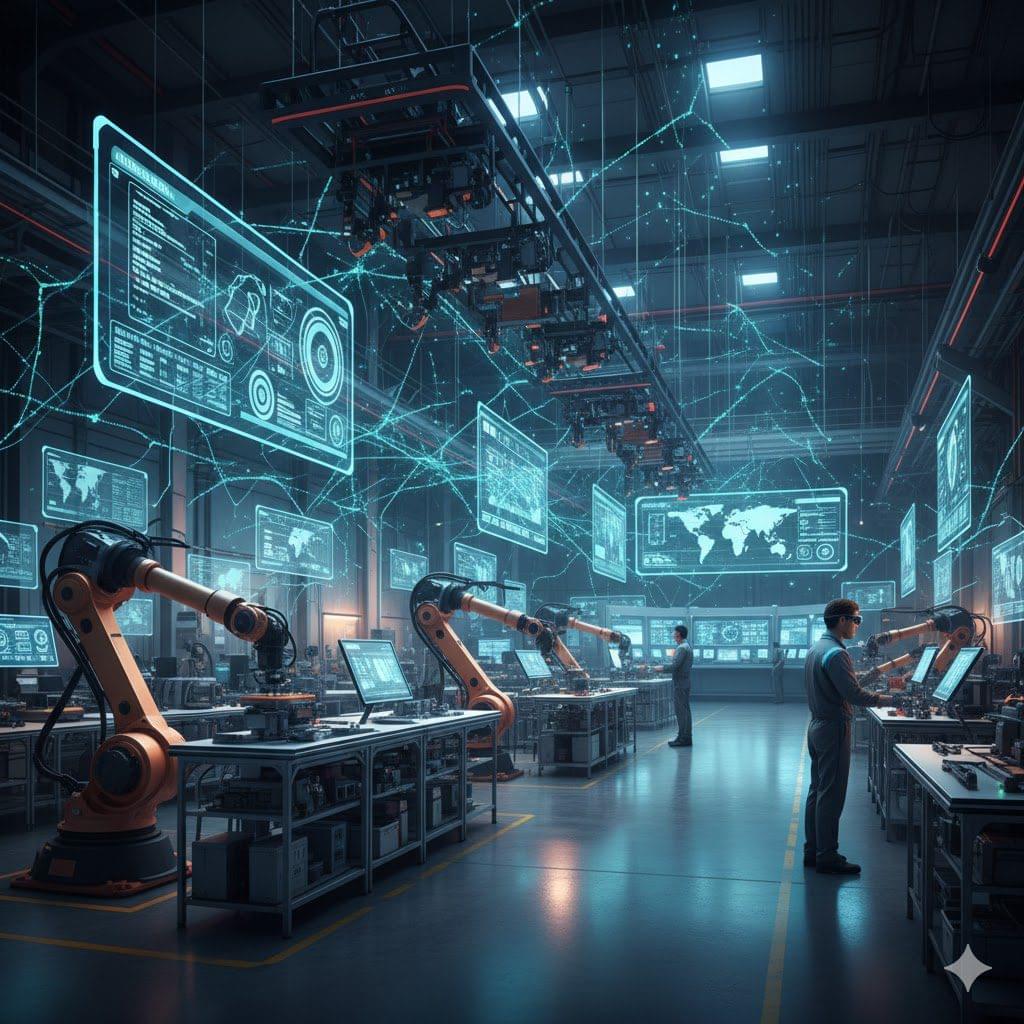
Industrial IoT is the integration of smart sensors, cloud computing, and data analytics into manufacturing environments.
It allows machines to communicate, collect, and share data continuously, turning traditional plants into intelligent, connected ecosystems.
In simple terms, IIoT gives factories the digital nervous system they need to sense, think, and act.
How IIoT Works
- Data Collection: Sensors capture real-time data such as temperature, vibration, and energy usage.
- Connectivity: The data is transmitted securely via Wi-Fi, 5G, or industrial Ethernet.
- Cloud Processing: AI and analytics platforms process the information.
- Actionable Insights: Engineers get visual dashboards showing performance, trends, and alerts.
This digital loop allows faster decisions and instant responses to any production issue.
Key Benefits of Industrial IoT in Manufacturing
✅ Reduced Downtime: Predict issues before they happen.
✅ Enhanced Efficiency: Optimize production with real-time data.
✅ Quality Control: Detect defects instantly using sensors.
✅ Energy Savings: Monitor and manage power consumption.
✅ Better Supply Chain Visibility: Track materials and logistics seamlessly.
Industrial IoT Applications
- Predictive Maintenance: Identify faults before breakdowns.
- Smart Energy Management: Reduce waste and optimize usage.
- Automated Quality Inspection: AI-driven sensors detect flaws instantly.
- Remote Monitoring: Manage multiple plants from a single dashboard.
- Digital Twins: Create virtual replicas of machines for testing and simulation.
IIoT Adoption in India
India’s manufacturing hubs — Pune, Ahmedabad, and Sriperumbudur — are witnessing a surge in IIoT adoption.
From SMEs using low-cost sensors to major players deploying AI-driven monitoring, the shift toward connected manufacturing is accelerating under Make in India and Smart Manufacturing Mission initiatives.
According to NASSCOM, the Indian IoT market is projected to reach $15 billion by 2025, with manufacturing being a top contributor.
Challenges and the Road Ahead
While IIoT offers immense potential, challenges like cybersecurity risks, legacy systems, and high setup costs slow adoption.
However, with 5G rollout, edge computing, and AI integration, these barriers are quickly being overcome.
The next phase — Industrial IoT 2.0 — will feature autonomous factories, where AI and IoT systems collaborate seamlessly, making operations self-optimizing and energy efficient.
Industrial IoT is not just another trend — it’s the foundation of smart, resilient, and sustainable manufacturing.
By connecting machines and minds, IIoT is turning every factory into a living, learning ecosystem — one that’s always aware, adaptive, and efficient.
The question isn’t if manufacturers should adopt IIoT — it’s how soon they can afford not to.

IMTS 2026 Opens in Chicago: AI, CNC, Robotics and Automation Take Center Stage
IMTS 2026 is officially underway in Chicago, bringing the global manufacturing technology industry together at…
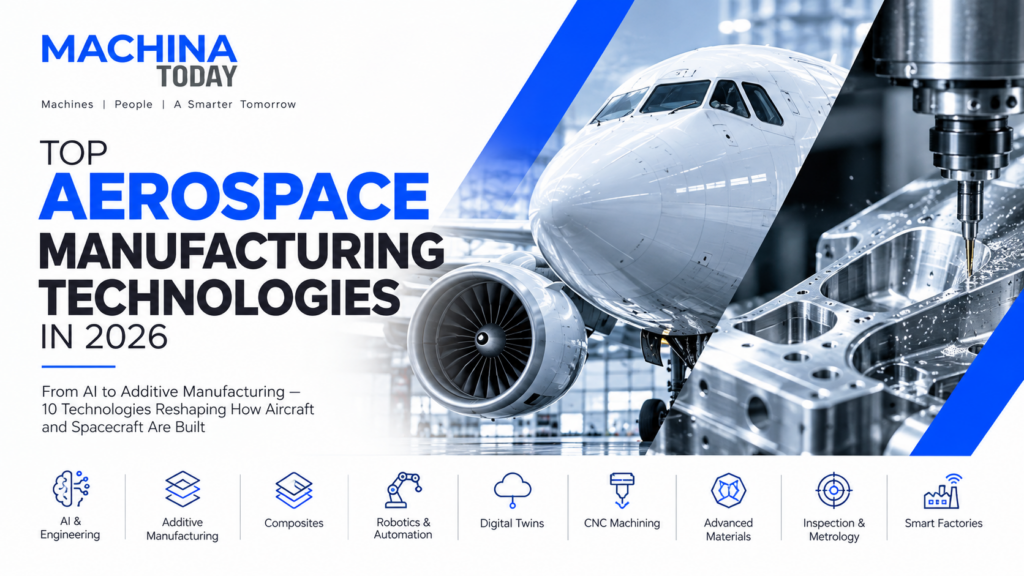
Top Aerospace Manufacturing Technologies in 2026: 10 Technologies Reshaping How Aircraft Are Built
Aerospace manufacturing is entering a new industrial era. From AI-driven engineering and digital twins to…
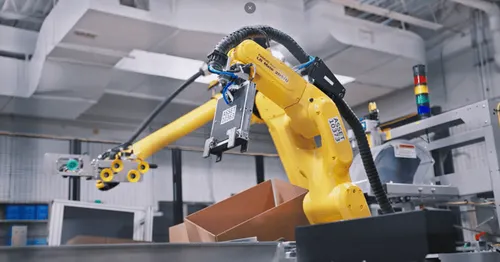
FANUC at IMTS 2026: Physical AI, Robotics and CNC Innovation Move Into the Factory
FANUC America is positioning IMTS 2026 as a showcase for the next stage of industrial…
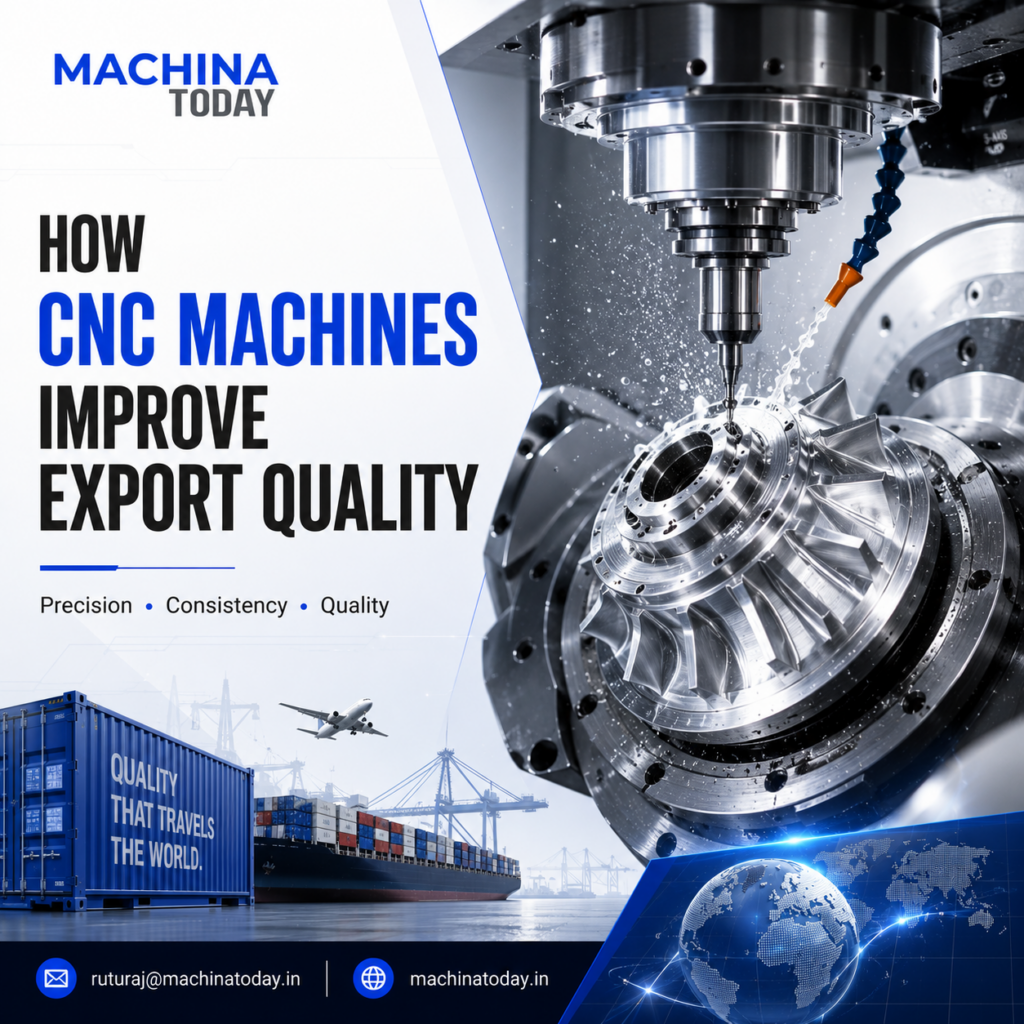
How CNC Machines Improve Export Quality: From Precision Machining to Process Control
Global manufacturing is increasingly built around supply chains where components may be designed in one…

ANCA at IMTS 2026: New Leadership, Precision Tooling and the Next Manufacturing Shift
A new CEO. A legendary founder. One booth. And a manufacturing industry moving faster than…
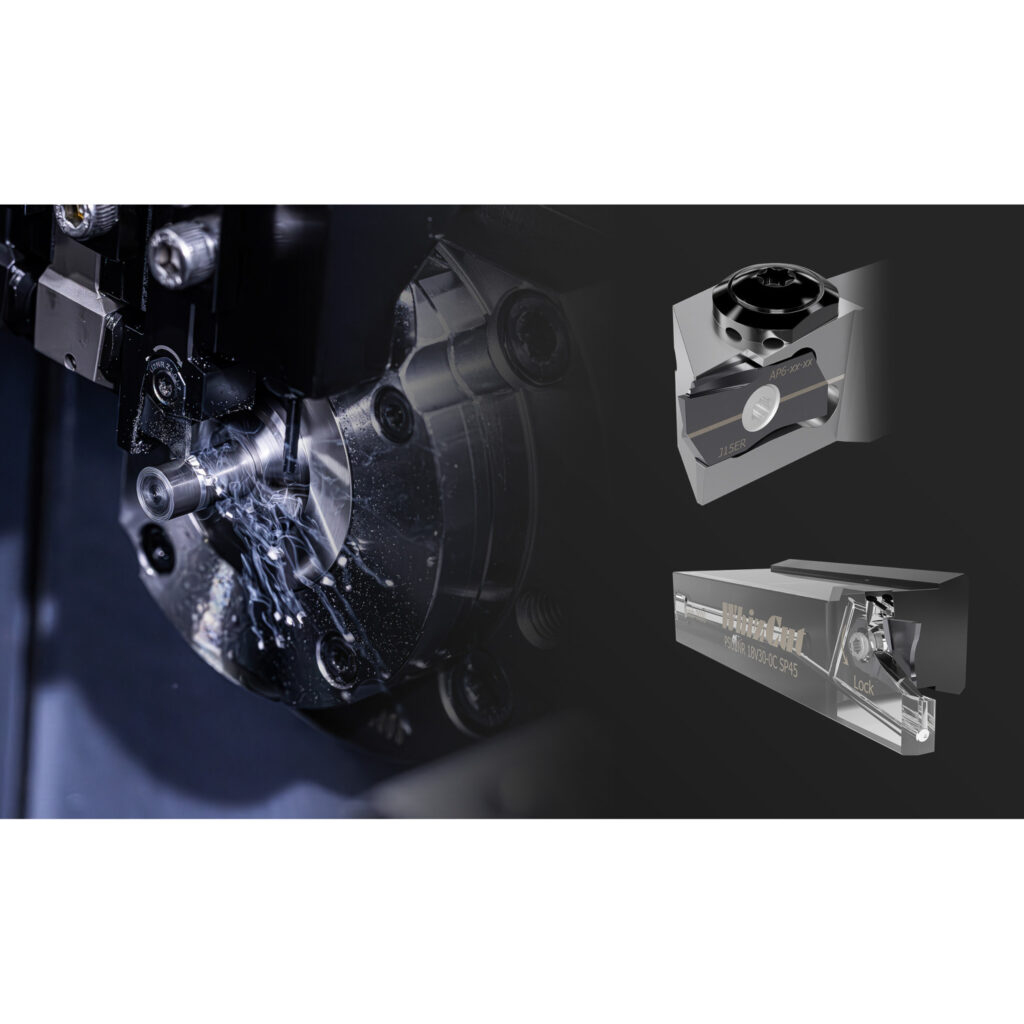
WhizCut at AMB Stuttgart 2026: Smarter Cutting Tools Target Material Waste, Productivity and Sustainable Machining
WhizCut is set to present its precision-tooling portfolio at AMB Stuttgart 2026, with products focused…